

A Day in the Life of a Caregiver: More Than Just Care
Written by Edward Salazar, Franchise Business Coach
When families first think about home care, they often picture the practical side of it. Help with meals. A ride to an appointment. Laundry folded and put away. Medication reminders handled on time.
Those things matter. But they are only part of what professional caregiving really is.
At Touching Hearts at Home, caregiving is relationship-based care. It is not just about getting through a checklist. It is about showing up as a calm, capable, friendly face who helps an older adult feel safer, less alone, and more like themselves at home.
“The best caregivers bring two things into a home at the same time: professionalism you can trust and a human presence that makes people feel seen.” – Edward Salazar, Franchise Business Coach
The Morning Starts With More Than Breakfast
A caregiver’s day often begins quietly. A knock at the door. A warm hello. A familiar routine that starts to feel reassuring because it happens with consistency.
That first part of the day is important. It is not just about getting breakfast on the table. It is also a morning check-in.
How did the client sleep? Do they seem steady on their feet today? Are they more tired than usual? Are they drinking enough water? Do they seem withdrawn, worried, or less interested in their normal routine?
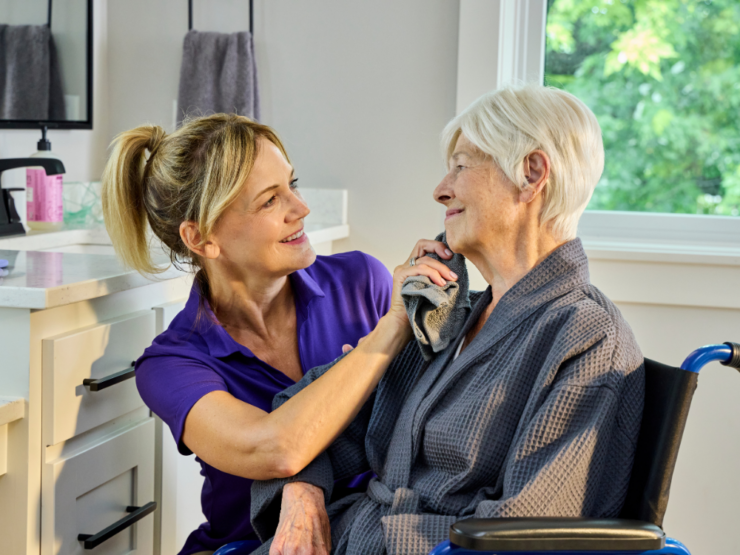
After breakfast, the caregiver may also help the client move into the rest of the morning with dignity and confidence. This can include assisting with showering, personal grooming, brushing teeth, getting dressed, choosing comfortable clothing for the day, or offering a steady hand while moving from the bedroom to the bathroom or kitchen.
For many older adults, these personal care routines can feel vulnerable. A good caregiver understands that helping someone get ready for the day is not only a physical task. It is an opportunity to protect privacy, preserve independence, and make the client feel respected.
These observations are easy to miss when family members are rushing to work, checking in by phone, or trying to piece together updates from short visits. A caregiver has the chance to notice the little things while they are still little.
That is one reason companionship matters so much. When there is trust, people are more likely to say, “I didn’t sleep well,” or “I’ve been feeling a little off.” Those details can shape the whole day.
A Simple Conversation Can Tell You A Lot
Over tea or breakfast, a caregiver is often learning far more than what food a client prefers. They are learning energy level, mood, memory, and confidence.
A familiar conversation can also help a client feel grounded. Instead of starting the day alone, they start it with connection.
The National Institute on Aging says loneliness and social isolation are linked with higher risks for depression, heart disease, and cognitive decline. For families, this means a caregiver’s presence is not only comforting. It is part of protecting a loved one’s health in a very real way.
That is why a shared breakfast is never just breakfast. It is support for older adults that begins with attention, routine, and human connection.
Midday Care Keeps People Connected To Life Outside The House
By midday, the work of caregiving may look more practical from the outside. There may be transportation to an appointment, a grocery stop, a walk outside, help with light housekeeping, or medication reminders.
But even these tasks carry emotional weight.
A ride to a doctor’s office is not only about transportation. It can mean a client gets to stay engaged with their health without feeling stranded or dependent on a family member’s schedule. A grocery trip is not only about supplies. It can help a person stay part of the rhythm of everyday life.
For many older adults, one of the hardest parts of aging is not the task itself. It is the feeling of becoming cut off from the world around them.
Home Care Supports Belonging, Not Just Logistics
AARP reported in late 2025 that 4 in 10 adults age 45 and older said they were lonely. Families may assume loneliness only affects people who truly live alone, but it is much broader than that. A loved one can have family nearby and still feel disconnected if daily life has become too quiet, too limited, or too isolated.
This is where companionship changes the experience of home care. A caregiver is not just there to move the day along. They bring conversation, encouragement, and familiarity into routines that might otherwise feel empty.
A short outing can become something bigger:
- a chance to greet a neighbor
- a reminder that the client still belongs in the community
- an opportunity to maintain confidence outside the home
- a moment of independence that feels supported, not restricted
That kind of support matters because aging in place should still feel like living, not just staying put.
The Skills Behind The Service
Families sometimes hesitate to bring someone into the home because they worry it will feel awkward, impersonal, or forced. That concern is understandable.
The truth is that strong caregivers do much more than “help out.” They combine practical skill with emotional intelligence.
Skills Beyond The Service
- noticing changes in mood, appetite, or mobility
- assisting with personal care in a respectful and dignified way
- helping with dressing, grooming, and daily routines
- offering medication reminders when needed
- building trust without taking over
- respecting routines and personal preferences
- communicating clearly with families
- creating calm in moments that could feel frustrating or rushed
- recognizing when a client may need more support than usual
- balancing professionalism with warmth
This is part of what makes professional caregiving different from simply hiring help. It requires attentiveness, judgment, consistency, and heart.
“Great caregiving is never just about completing a task correctly. It is about knowing how to do the work with respect, consistency, and the kind of presence that helps a client feel safe in their own home.” – Edward Salazar, Franchise Business Coach
Afternoon Routines Often Reveal What Matters Most
By afternoon, a caregiver may be helping with lunch, tidying the kitchen, folding laundry, encouraging rest, or helping the client move safely from one part of the home to another. These can look like ordinary tasks, but they often reveal the emotional center of the work.
Laundry is not just laundry. It is part of preserving normalcy and dignity. A tidy kitchen is not just a clean surface. It can reduce stress and make the home feel easier to move through.
A shared lunch is not just a meal. It can be the most meaningful conversation a client has all day.
This is especially important for family members who cannot be there every afternoon. A caregiver helps carry the emotional weight of the day, not just the practical one.
Evening Is Where Peace Of Mind Becomes Visible
As the day winds down, the caregiver’s role shifts again. Evening care may include medication reminders, preparing a light dinner, making sure pathways are clear, helping with personal grooming, assisting with changing into pajamas, and supporting the client as they get ready for bed.
For some clients, this may also mean help with showering, washing up, brushing teeth, using the restroom, or safely getting into bed. These routines may seem simple, but they are often the parts of the day when older adults need the most patience, privacy, and reassurance.
These moments matter because evenings can feel especially vulnerable. Fatigue sets in. Balance may be less steady. A home that feels manageable in daylight can feel more difficult once the day slows down.
A caregiver helps bring structure and calm to that transition. They help ensure the client is comfortable, settled, and ready for a safe night at home.
For families, this part of the day often brings the deepest relief. Knowing someone has helped your loved one get settled can ease the constant mental pressure of wondering, “Are they okay right now?”
The Small Moments Are Not Small At All
The heart of this work is often found in moments that do not sound dramatic. A shared laugh over a familiar story. A gentle reminder to bring a sweater. Sitting together during lunch instead of leaving someone to eat alone. Helping someone feel clean, dressed, comfortable, and ready for the day or night ahead.
These moments are easy to overlook if you think caregiving is only about tasks. But in relationship-based home care, they are part of the care.
They reduce fear. They ease loneliness. They build trust. They help older adults feel less like a problem to be managed and more like a person who still deserves warmth, dignity, and attention.
That is why companionship is not an extra service. It is central to what makes good caregiving work.

Caregivers Become The Eyes And Ears For Families
One of the most valuable roles a caregiver plays is one families may not fully see at first. They become a consistent observer of day-to-day life.
They notice when a client is eating less. When a once-easy walk to the mailbox feels harder. When mood changes. When confusion seems to be increasing. When the home environment feels a little less safe than it did last week.
They may also notice changes during personal care routines, such as increased difficulty getting dressed, hesitation with showering, changes in balance, or greater fatigue when getting in and out of bed.
This does not replace family. It strengthens family care with better visibility and steadier support.
That is especially meaningful for the Sandwich Generation. Adult children are often trying to care for aging parents while also raising children, working full time, and managing households of their own. A caregiver offers more than hands-on help. They offer another trusted set of eyes, ears, and caring instincts inside the home.
More Than Just Care
A day in the life of a caregiver is full of practical work. Meals are made. Laundry gets folded. Rides happen on time. Medications are remembered. Showers, grooming, dressing, and bedtime routines are handled with patience and care.
But the real value goes deeper than the task list. A caregiver helps turn ordinary moments into steadier routines, safer choices, and less lonely days.
That is why home care is not just a service. At its best, it is a calling carried out with professionalism, compassion, and consistency.
If your family is exploring support for older adults and wants to find the right fit, we invite you to learn more about our personalized care matching or schedule a complimentary in-home consultation. It is a simple way to start the conversation and find a caregiver who can bring both skill and heart into your loved one’s home.
Disclaimer: Touching Hearts at Home is a non-medical home care provider. The information provided in this blog is not intended to replace medical advice. Always consult with your doctor or a healthcare professional before making any decisions regarding your loved one’s health or care needs.
You may also like:
12.17.2025
New Year, New Care Plan: Setting Senior Care Goals for the Year Ahead
The start of a new year is the perfect time to reflect on the past year and set new goals…

12.03.2025
Keeping Seniors Engaged During the Holidays: Activities and Ideas
The holiday season is a time for celebration, connection, and creating memories with loved ones. For families with aging relatives,…