
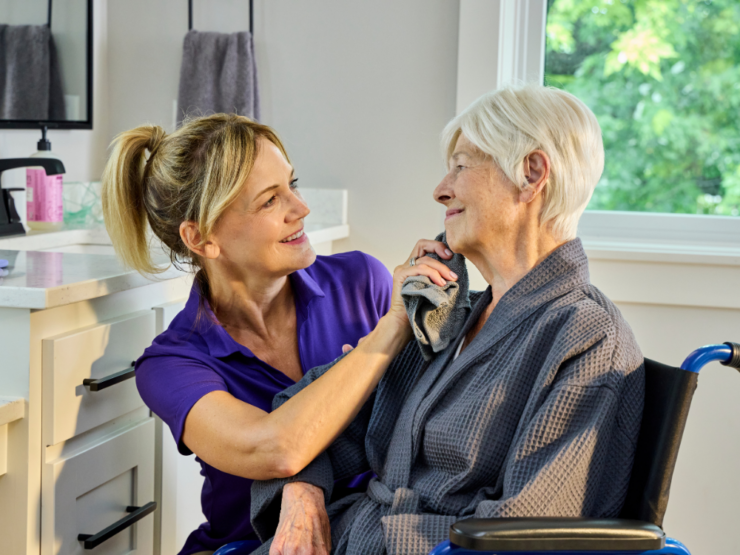

Common Myths About In-Home Senior Care Debunked
When it comes to senior care, many families are still unfamiliar with the full scope of in-home care services. Because of this, a lot of myths and misconceptions exist about the quality and type of care seniors receive in the comfort of their own homes. In this blog, we’ll take a closer look at some of the most common myths surrounding non-medical in-home care and set the record straight on what it really means for seniors and their families.
Myth #1: In-Home Care Is Only for Seriously Ill Seniors
One of the most common misconceptions about in-home care is that it’s only necessary for seniors with severe medical conditions or terminal illnesses. In reality, non-medical home care is designed to assist individuals who may need help with daily activities but don’t necessarily require a hospital or nursing home setting.
Fact:
In-home care is often sought by seniors who need assistance with basic activities of daily living (ADLs), such as dressing, bathing, preparing meals, or light housekeeping. This type of care is ideal for individuals who are aging in place and simply need a little extra help to stay independent in their own homes.
Benefit:
In-home care allows seniors to maintain their dignity and independence, while also ensuring their safety and comfort in familiar surroundings.
Myth #2: In-Home Care Is Too Expensive
Another myth is that in-home care is prohibitively expensive and only affordable for the wealthy. While the cost of care can vary depending on factors such as location, the level of care needed, and the frequency of services, it’s often more affordable than people realize.
Fact:
The cost of in-home care can be tailored to fit your needs and budget. Many families choose to start with a few hours of care a week and increase the services as needed. Additionally, some long-term care insurance policies and government assistance programs may help cover some of the costs.
Benefit:
In-home care is a flexible and cost-effective option, and when compared to the expenses of a nursing home or hospital, it can offer significant savings while providing personalized care.
Myth #3: Home Caregivers Are Not as Trained as Hospital or Nursing Home Staff
Some people believe that caregivers who provide in-home services aren’t as qualified or trained as staff in hospitals or nursing homes. This couldn’t be further from the truth. In fact, non-medical home care providers are highly trained professionals who undergo rigorous training to ensure they can offer the best care possible to seniors.
Fact:
Caregivers employed by reputable agencies are trained to assist with a wide range of tasks, including personal care, companionship, and light housekeeping. Many also receive training in first aid, CPR, and even specialized care for dementia or Alzheimer’s patients.
Benefit:
When choosing in-home care, families can be confident that caregivers are well-trained and capable of providing high-quality, compassionate care that meets the individual needs of each senior.
Myth #4: In-Home Care Means a Senior Will Be Isolated or Lonely
Some families worry that in-home care will isolate their loved ones or cause them to feel lonely, as they’ll only be interacting with a caregiver. However, many non-medical home care services focus heavily on providing companionship and social interaction, which can improve the emotional well-being of seniors.
Fact:
Companionship is one of the main benefits of in-home care. Caregivers often engage seniors in conversations, help them with hobbies, take them on outings, and provide a sense of connection and emotional support. This can help reduce feelings of loneliness and isolation.
Benefit:
In-home care ensures that seniors receive both the physical support they need and the social connection they crave, leading to better emotional and mental health outcomes.
Myth #5: Family Caregivers Can Do the Same Job as Professional Caregivers
Many families believe that they can provide the same level of care as a professional caregiver, particularly if the senior only requires assistance with basic tasks. However, caregiving can be emotionally and physically demanding, and it’s not uncommon for family members to experience caregiver burnout.
Fact:
While family caregivers often provide invaluable support, professional caregivers have the experience and skills needed to handle the physical and emotional challenges that come with senior care. They can offer a level of consistency and expertise that family caregivers may struggle to provide, particularly when balancing other responsibilities.
Benefit:
Professional in-home care gives family caregivers the opportunity to take a break and avoid burnout. Respite care ensures that seniors continue to receive high-quality care while family members can focus on their own well-being.
Myth #6: In-Home Care Isn’t Safe for Seniors with Complex Medical Needs
Some people mistakenly believe that in-home care is only suitable for healthy seniors without complex medical needs. While non-medical care is typically for seniors who need help with daily tasks, it can also support seniors with chronic conditions, as long as they don’t require constant medical supervision.
Fact:
Non-medical caregivers can assist seniors with conditions such as Alzheimer’s, arthritis, and heart disease by helping with medication reminders, physical assistance, and mobility. For seniors with complex medical needs, professional caregivers can work alongside healthcare providers to ensure a safe and comfortable environment.
Benefit:
In-home care offers a safe, comfortable, and personalized solution for seniors with a variety of medical and non-medical needs, allowing them to age in place with dignity.
Myth #7: In-Home Care Is the Same as Assisted Living or Nursing Home Care
It’s easy to confuse in-home care with assisted living or nursing home care, but they are very different services. Assisted living and nursing homes provide residential care for seniors who need help with daily living but don’t require a hospital setting. In contrast, in-home care provides personalized assistance within the senior’s own home.
Fact:
In-home care allows seniors to live in their familiar surroundings, while receiving the support they need. In contrast, assisted living and nursing homes require seniors to move into a facility, which can be a difficult and emotionally taxing transition.
Benefit:
In-home care gives seniors the ability to remain in their homes, where they feel comfortable, while still receiving the care and support they need.
Find the Closest Touching Hearts at Home Location to You
At Touching Hearts at Home, we understand that every senior’s needs are unique. Our compassionate caregivers provide personalized, non-medical home care to help seniors live independently and comfortably. Find the closest location to you to learn more about how we can support your family’s home care needs.
Disclaimer:
Touching Hearts at Home is a non-medical provider. The information provided in this blog is not intended to replace professional medical or healthcare advice. Always consult with a healthcare provider for medical concerns or before making significant care decisions.
You may also like:
12.17.2025
New Year, New Care Plan: Setting Senior Care Goals for the Year Ahead
The start of a new year is the perfect time to reflect on the past year and set new goals…