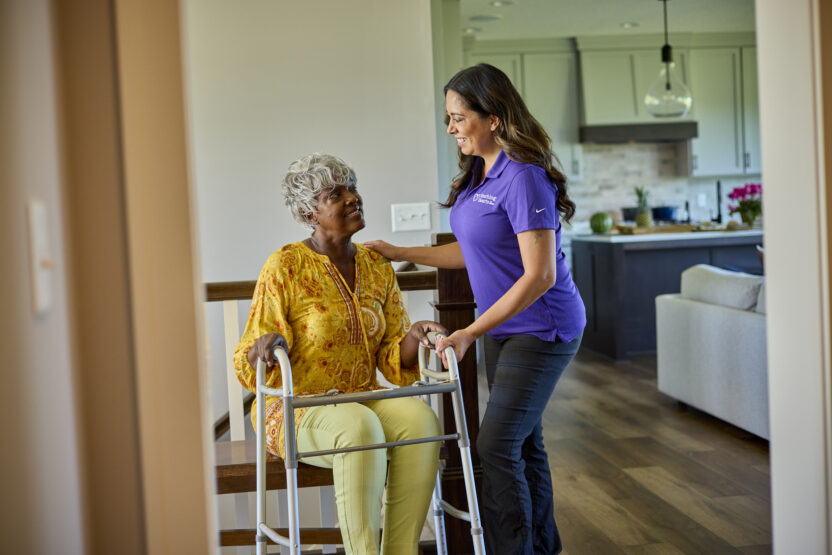
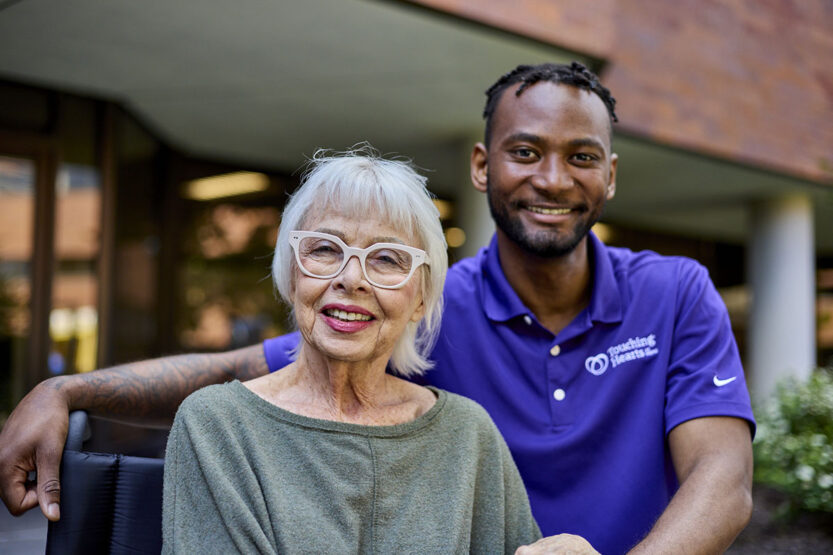
September marks Fall Prevention Month, a time to raise awareness about the risks of falls among seniors and how we can take steps to prevent them. Falls are one of the leading causes of injury in older adults, and they can often lead to serious health complications. The good news is that many falls are preventable with simple home adjustments, regular exercise, and a little bit of planning. This blog will offer practical solutions to help reduce fall risks at home, so seniors can live independently and safely.
Why Fall Prevention is Important for Seniors
Falls are not only physically dangerous but can also cause emotional distress. Seniors who fall may become fearful of falling again, leading to decreased mobility and social isolation. In fact, studies show that falls are the leading cause of injury-related deaths among seniors. However, making a few adjustments at home can significantly reduce the likelihood of falls and improve quality of life.
Common Fall Risk Factors for Seniors
Several factors contribute to the increased risk of falls in older adults, including:
- Declining muscle strength and balance: As we age, muscles tend to weaken, and balance can decline, making it harder to stay steady.
- Vision problems: Conditions like cataracts or macular degeneration can impair vision, making it difficult to spot obstacles.
- Medications: Certain medications can cause dizziness or drowsiness, increasing the risk of a fall.
- Chronic health conditions: Conditions such as arthritis, Parkinson’s disease, and diabetes can affect mobility and balance.
- Environmental hazards: Cluttered living spaces, uneven floors, and poor lighting can all contribute to a higher risk of falls.
Simple Home Modifications for Fall Prevention
Making small changes in the home can make a big difference in preventing falls. Here’s a checklist of easy-to-implement safety solutions that can help reduce fall risks for seniors:
- Clear Pathways and Eliminate Clutter
Cluttered floors, cords, and furniture that block walkways can easily lead to tripping. Ensure that hallways, stairs, and pathways are clear of obstacles.
Safety Tips:
- Remove loose rugs or secure them with non-slip pads.
- Keep pathways and stairways well-lit and free of clutter.
- Avoid furniture with sharp corners that could cause injury if bumped into.
- Install Grab Bars and Handrails
Grab bars and handrails provide support in areas like bathrooms and stairways where falls are most likely to occur.
Where to Install:
- Bathrooms: Install grab bars near the toilet, in the shower, and in bathtubs. Consider adding a non-slip mat to prevent slipping in the tub or shower.
- Staircases: Ensure handrails are on both sides of the stairs to provide stability when going up or down.
- Hallways and bedrooms: Install grab bars near beds or in hallways where additional support may be needed.
- Improve Lighting
Poor lighting is a common contributor to falls, especially at night. Ensure that every room in the home is well-lit, and consider installing nightlights in key areas.
Lighting Tips:
- Place nightlights in hallways, bathrooms, and bedrooms.
- Ensure that light switches are easy to reach and placed near the entrance to rooms.
- Consider motion-sensor lights for added convenience and safety.
- Use Non-Slip Mats and Rugs
Slippery floors, particularly in bathrooms and kitchens, can be hazardous for seniors. Non-slip mats and rugs are simple solutions to reduce fall risks.
Safety Solutions:
- Use non-slip mats in the bathroom, kitchen, and entryways.
- If possible, replace slippery flooring with non-slip options such as textured tiles or rugs with non-slip backs.
- Ensure that rugs and carpets are properly anchored to prevent sliding.
- Ensure Proper Footwear
Seniors are more likely to trip if they’re wearing slippers or shoes that don’t fit properly. Encourage wearing shoes that provide good support and traction.
Footwear Tips:
- Opt for shoes with rubber soles and a good grip to reduce slipping risks.
- Avoid wearing socks on smooth surfaces as they can increase the risk of sliding.
- Make sure shoes fit comfortably and do not slip off easily.
- Install a Stair Lift or Ramp
For seniors who struggle with stairs, consider installing a stair lift or a ramp to make getting up and down easier and safer.
Suggestions:
- Stair lifts can be installed in most homes and provide a secure way for seniors to navigate stairs.
- A ramp can be an effective solution for those who use a walker or wheelchair, making it easier to enter and exit the home.
- Exercise and Balance Training
Strengthening muscles and improving balance can help seniors reduce the risk of falls. Simple exercises such as tai chi, yoga, or walking can improve mobility.
Exercise Tips:
- Engage in regular physical activity like walking, swimming, or cycling.
- Balance exercises such as standing on one leg or using a balance board can help improve stability.
- Consider attending a fall prevention class or working with a trainer who specializes in senior fitness.
Additional Resources for Fall Prevention
For more resources on fall prevention and senior safety, visit the National Institute on Aging’s Fall Prevention page. This site offers a wealth of information on how to reduce fall risks and maintain a safe living environment.
Find the Closest Touching Hearts at Home Location to You
At Touching Hearts at Home, we’re committed to supporting seniors with the highest level of care and safety. If you or a loved one needs assistance with fall prevention or daily activities, our professional caregivers can help. Find the closest location to you and learn how we can make your home safer and more comfortable.
Disclaimer:
Touching Hearts at Home is a non-medical provider. The suggestions and recommendations provided in this blog are not a substitute for medical advice. Always consult with your doctor to address specific medical needs or concerns related to fall prevention.