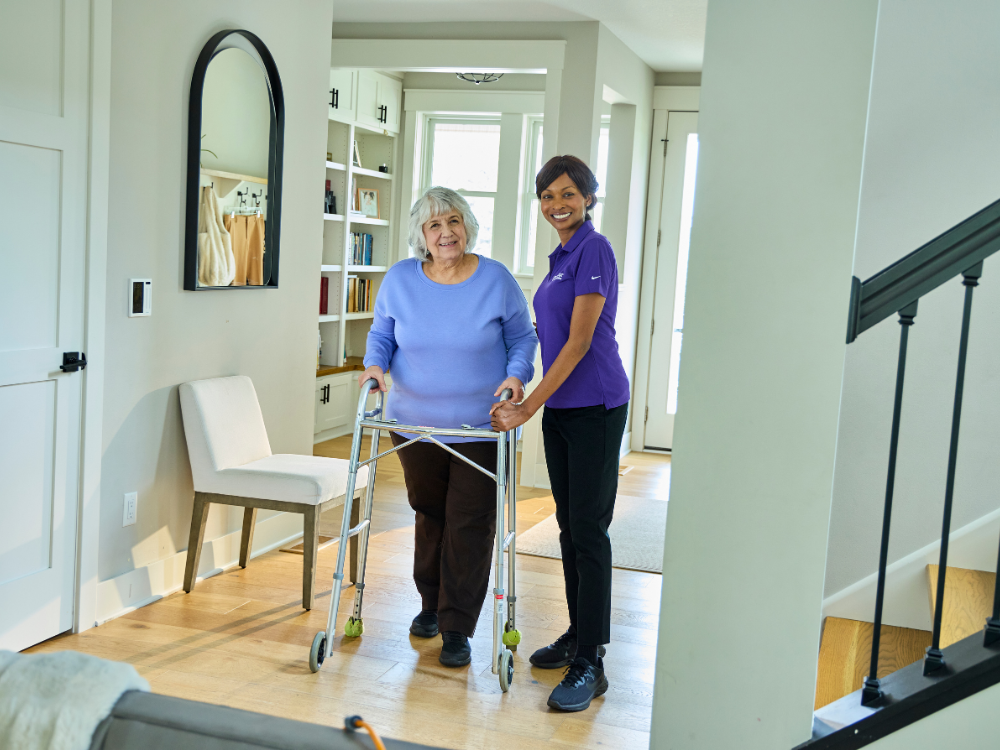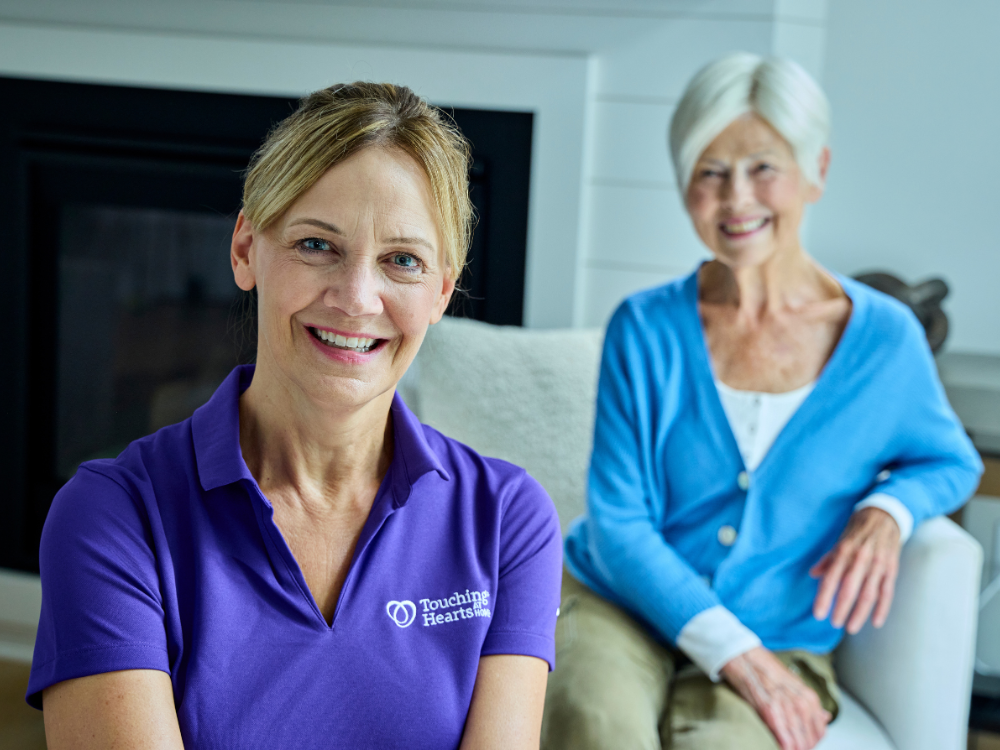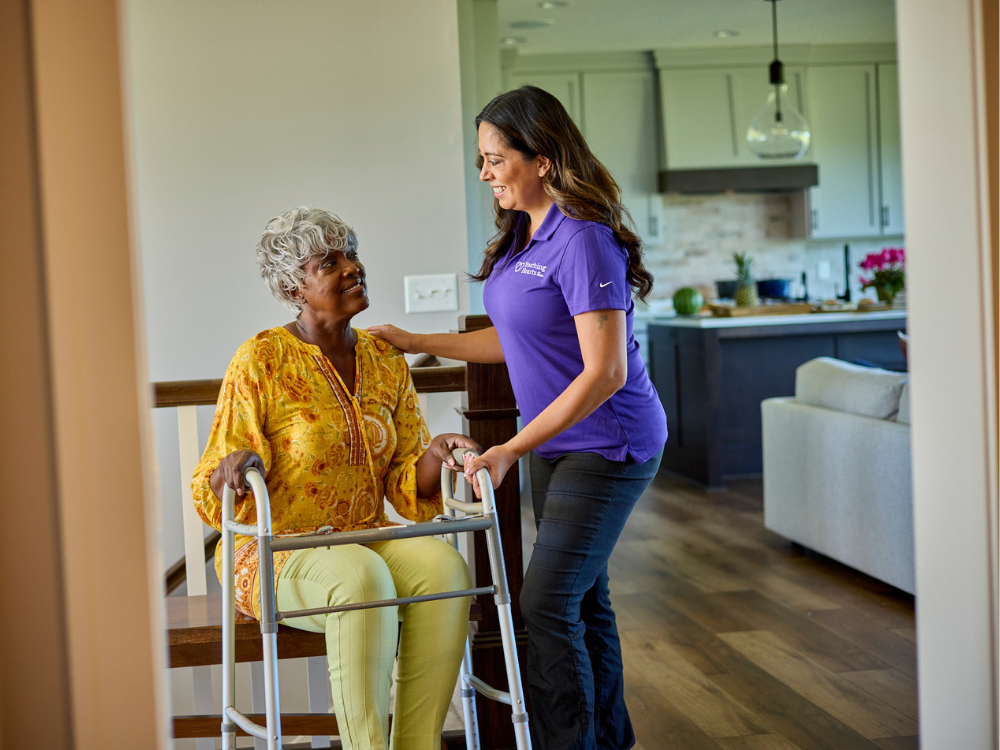

Caregiving Journey: Katrine Ciaran Lubecki’s Story
At Touching Hearts at Home of Buffalo, our caregivers come from diverse backgrounds, each bringing their own skills, experiences, and perspectives to the role. Some enter the field unexpectedly and discover a passion for helping others. Others, like Katrine Ciaran Lubecki, have been caregivers in one way or another for as long as they can remember.
Katrine’s journey into caregiving began years before she officially entered the healthcare field. With a background in childcare and education, she developed the patience, empathy, and dedication that later led her to senior care. Now, as a Certified Nursing Assistant (CNA) turned Home Health Aide (HHA), she continues to provide compassionate, person-centered care to those who need it most.
Her story is a testament to the lasting impact a caregiver can have—not only on their clients but also on the families they support.
From Childcare to Senior Care: A Natural Transition
Caregiving is about nurturing, supporting, and being present for others, and for Katrine, these qualities have been second nature throughout her life.
“I’ve always been a caregiver. I started out as an assistant daycare teacher and transitioned to healthcare five years ago. When I started in healthcare, I was a CNA first and then became an HHA.”
Though childcare and senior care may seem like two different worlds, both require a deep sense of responsibility, patience, and attentiveness. Whether working with children or older adults, building trust and providing reassurance are at the core of the job.
The transition from daycare teacher to healthcare professional was a natural step for Katrine. Her experience working with children taught her the importance of routine, patience, and creating a sense of safety—all of which now play a role in her work with seniors.
Lessons from a Special Client: The Power of Connection
Caregiving is more than just assisting with daily tasks; it’s about forming relationships that make a lasting impact. One of Katrine’s most memorable experiences was working with a client who had Alzheimer’s disease.
“I had a client with Alzheimer’s for three years. His wife was a wonderful lady who taught me how to bake many different things from scratch during the time I worked with them. When he passed away, she even told me to come to the funeral.”
This experience highlights the deep bonds caregivers form—not just with clients, but with their families as well. Being a caregiver means becoming a trusted presence in someone’s home, a reliable companion, and a source of comfort in difficult times.
For Katrine, this family was more than just a job. They became part of her life, just as she became part of theirs.
Every Family, Every Client: A Unique Experience
One of the most important lessons Katrine has learned in caregiving is that no two situations are alike.
“Every single situation and family are different.”
Each client comes with their own needs, routines, preferences, and personalities. Some may be independent and just need a little help, while others require around-the-clock support. The key to being an exceptional caregiver is adapting to each individual’s needs and providing personalized care.
By recognizing that every client and family is unique, Katrine approaches her work with openness and flexibility, ensuring that she can provide the best possible care in any situation.
Building Trust: Reliability is Key
Trust is the foundation of any strong caregiver-client relationship. According to Katrine, building trust isn’t complicated—it’s about being reliable and following through on your word.
“By getting to know them and being there when you say you are going to be.”
Many seniors rely heavily on their caregivers, not just for physical assistance but also for companionship, emotional support, and a sense of stability. When a caregiver is consistently present, reliable, and engaged, clients feel safer and more at ease.
Navigating Workplace Challenges
While caregiving is deeply rewarding, it can also come with its own set of challenges. For Katrine, the biggest hurdles haven’t come from working with clients, but rather from team dynamics in facility settings.
“The only challenges I’ve ever faced have been with other aides when I worked in facilities.”
Home care provides a different kind of caregiving experience—one that allows caregivers to focus on one-on-one relationships with clients rather than navigating the fast-paced, sometimes impersonal environment of a healthcare facility.
This is one of the reasons so many caregivers choose home care—it allows for more personalized, meaningful interactions and the ability to truly tailor care to each client’s needs.
Small Gestures, Big Impact
Sometimes, the smallest moments can have the biggest impact. One of Katrine’s most touching experiences came from a simple Monday morning interaction with her client.
“When I went to wake up my current client on a Monday, she said she was glad to see me because I don’t come on weekends.”
For many seniors, caregivers become a part of their daily lives. They look forward to seeing a familiar face, sharing a conversation, or simply knowing that someone is there to support them. Consistency and kindness go a long way in making seniors feel cared for and valued.
Advice for Aspiring Caregivers: More Than Just a Job
Not everyone is cut out for caregiving, but for those who are considering it, Katrine has one piece of advice:
“It’s more than just a job. Be prepared to invest yourself.”
Caregiving requires emotional investment, patience, and a genuine desire to help others. It’s not a clock-in, clock-out kind of job—it’s a role that requires heart, dedication, and a willingness to truly be present for another person.
Those who choose caregiving for the right reasons find it to be one of the most rewarding careers imaginable.
A Perspective on Aging: Respect and Compassion
Unlike many caregivers who say the profession has changed their view on aging, Katrine’s perspective has remained the same.
“It hasn’t changed my perspective very much.”
However, she believes that aging should always be met with respect, dignity, and care. She treats her clients the way she would want to be treated, following a simple yet powerful philosophy:
“Always treat people how you would want to be treated.”
At its core, caregiving is about human connection, dignity, and ensuring that every person feels valued and respected—no matter their age or circumstances.
Why Home Care Matters: A Message from Katrine
If Katrine could share one key message about the importance of home care, it would be this:
“Always treat people how you would want to be treated.”
Home care is more than just a service—it’s a way to ensure that seniors can live safely, comfortably, and with dignity in their own homes. It provides them with the support they need to maintain independence while also offering companionship, consistency, and emotional well-being.
Caregivers like Katrine are not just workers—they are trusted companions, advocates, and an essential part of their clients’ lives.
Looking for Compassionate Home Care? We’re Here for You
At Touching Hearts at Home of Buffalo, we are proud to have caregivers like Katrine who bring compassion, dedication, and respect to every client they serve. If you or a loved one could benefit from home care services, our team is here to help.