Many of us around the country were saddened to hear of the death of American actor Gene Hackman on February 26 this year. After foul play was ruled out, it was initially assumed that something environmental, such as carbon monoxide poisoning, might have been the cause of death for Hackman, his wife Betsy Arakawa, and one of their three dogs.
Last week, my husband informed me that Arakawa had died from hantavirus, and Hackman had succumbed to heart disease approximately a week later. He also shared that Hackman had been living with Alzheimer’s disease, a detail not widely known to the public. I can’t help but wonder if Hackman either didn’t know that his wife had passed or simply didn’t know how to handle it if he did. Given his health, he likely became undernourished and dehydrated, and perhaps he stopped taking the medication that was helping to manage his heart condition.
It’s heartbreaking to think that they both passed in ways that could have been prevented. I don’t know Gene Hackman or his wife, nor do I know why they didn’t seek help or share his diagnosis with others. But what I do know is that their deaths could have been avoided, and that realization deeply saddens me.
Too often, it takes a crisis to admit that help is needed. Sadly, sometimes the crisis comes too late. As I reflect on this tragic situation, I can’t help but think about how many people suffer in silence when it comes to their health. Conditions like Alzheimer’s, heart disease, and even hidden dangers like hantavirus often don’t receive the attention they deserve until it’s too late. This serves as a reminder that reaching out for help is crucial, whether for ourselves or our loved ones. We must ask for help when we need it—before a crisis hits.
For those living with chronic conditions, having a reliable support network can make all the difference. Yet, as we’ve seen with Hackman and Arakawa, sometimes that network is not as strong or visible as it should be. It’s vital to normalize the act of asking for help, especially for those who are experiencing cognitive decline or other serious health issues. Friends, family, or organizations like Touching Hearts should be there to step in—not just in times of crisis, but long before.
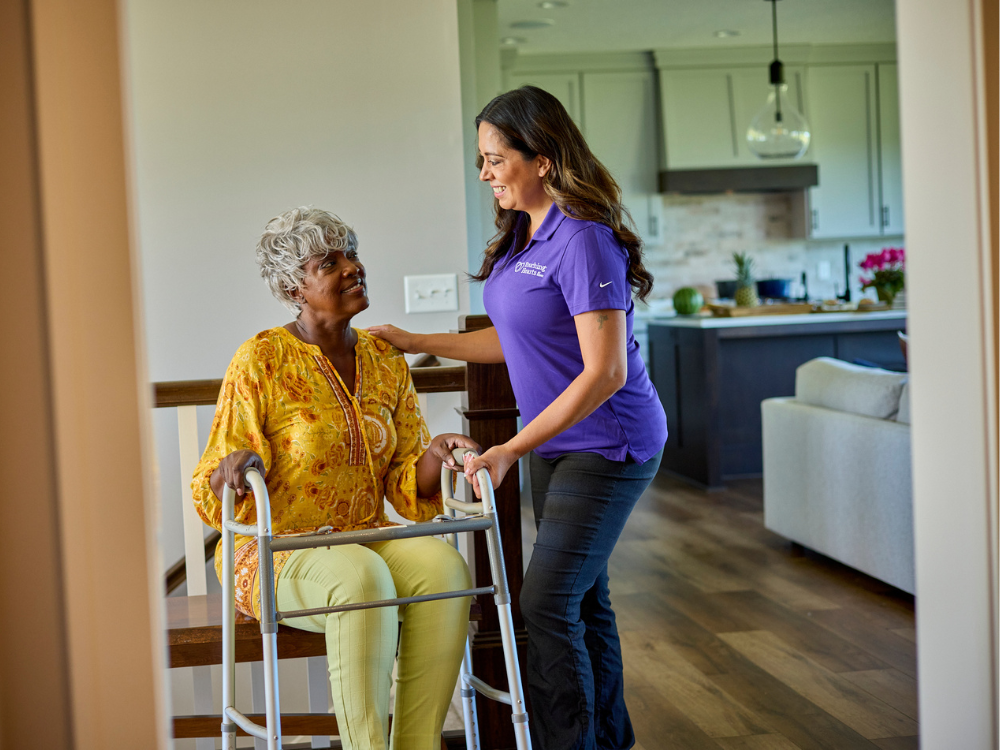
That’s where Touching Hearts comes in. As a compassionate home care agency, Touching Hearts is dedicated to providing personalized care that can bring peace of mind to both families and individuals. Here’s how we can help:
- In-home care for Alzheimer’s and Dementia: Our caregivers are trained to provide assistance for individuals dealing with cognitive decline, ensuring a safe and supportive environment while helping with daily activities.
- Heart Disease and Chronic Condition Management: We assist individuals with chronic conditions like heart disease and diabetes in managing medications, tracking vital signs, and promoting healthier lifestyles. Our goal is to prevent complications and reduce hospital readmissions.
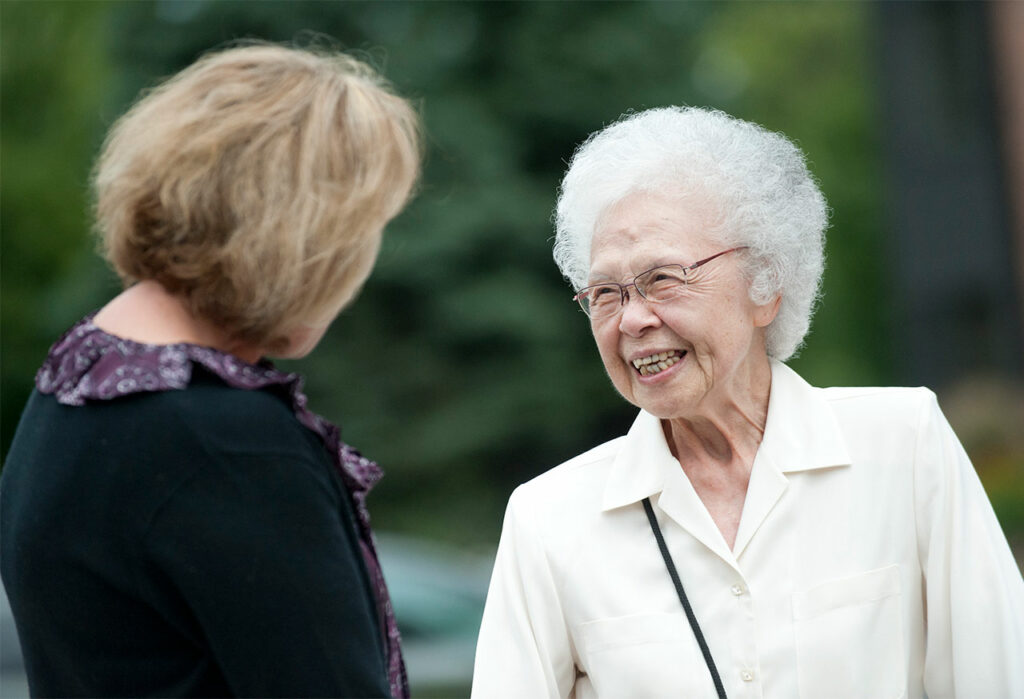
- Companionship: Often, emotional support is just as important as physical care. Our caregivers offer companionship to combat loneliness, a crucial part of maintaining both mental and emotional health.
- Respite Care for Families: Caregiving can be overwhelming. Touching Hearts offers respite care, giving family caregivers time to recharge while ensuring their loved one receives the care they need.
- Personalized Care Plans: Everyone’s needs are different. We create customized care plans tailored to the individual, whether it’s managing medications, assisting with mobility, or providing help with daily living activities.
It’s easy to fall into the trap of thinking we need to be independent and avoid burdening others. But the reality is, no one should navigate health challenges alone. Asking for help is not a sign of weakness, it is a proactive step toward healing and prevention. It can provide peace of mind to both the person in need and their loved ones.
At Touching Hearts at Home of Albany, NY, we encourage open conversations about health, aging, and the importance of a support system. Whether through education, advocacy, or just offering a helping hand, we can all play a part in preventing situations like the one Hackman and Arakawa faced. Let’s ensure that no one feels isolated or unsure of where to turn when they need help.