We often think of loneliness as an emotion, something that feels uncomfortable but fades with time. But for older adults, loneliness is much more than that. A growing body of research shows that chronic social isolation is a serious health risk, one that carries consequences as significant as smoking, obesity, or physical inactivity.
For families in Albany and across the Capital District who have aging loved ones, especially those living alone, this research carries an important message: connection is care.
The Scope of the Problem
According to the U.S. Surgeon General’s advisory on loneliness and isolation, approximately one in four older Americans experiences social isolation. Among those aged 65 and older who live alone, a demographic that is growing across New York State, rates of chronic loneliness are particularly high.
The COVID-19 pandemic significantly worsened existing isolation for many seniors in Albany and surrounding communities, and its effects on older adults’ social lives and mental health continue to linger.
What the Research Shows: The Health Impact of Senior Isolation
Increased Risk of Cognitive Decline and Dementia
Multiple large studies have found a link between social isolation and increased risk of dementia. A 2022 study published in the journal Neurology found that socially isolated older adults had a significantly higher risk of developing dementia over a multi-year follow-up period.
The mechanism appears to involve both behavioral and neurological pathways. Socially engaged seniors tend to keep their brains more active through conversation, shared activities, and meaningful interaction, which may help build cognitive reserve.
Higher Rates of Depression and Anxiety
Loneliness and depression are closely linked, and each can worsen the other. Older adults who are isolated are significantly more likely to experience depression, which in turn affects physical health, sleep, appetite, and overall quality of life.
Cardiovascular and Immune System Effects
Research published in the journal Heart found that social isolation was associated with a 29 percent increased risk of heart disease and a 32 percent increased risk of stroke. Additional studies have found that chronic loneliness is associated with higher levels of inflammation and a weakened immune response.
Shorter Life Expectancy
Research consistently shows that chronic social isolation is associated with a higher risk of early death. This finding has been replicated across multiple studies and countries, reinforcing that social connection is a genuine health necessity for older adults.
Why Seniors in Albany Are at Particular Risk
Several factors make isolation more likely for older adults in Albany and the surrounding Capital District:
- Fixed incomes that limit transportation and social activities
- Loss of a spouse or close friends
- Physical health conditions that make it harder to leave the home
- Hearing or vision loss that makes conversation more difficult
- Adult children who have moved away or have demanding schedules
- Harsh winters that limit mobility and outdoor activity for months at a time
The Role of Companion Care in Addressing Isolation
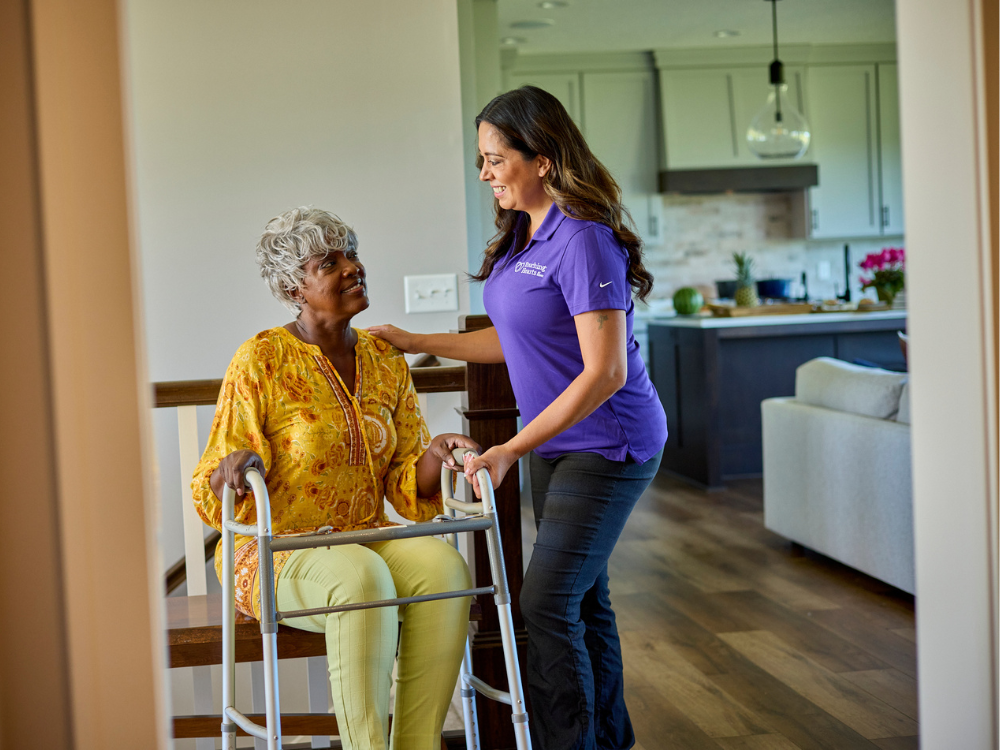
Companion care is one of the most valuable and most underutilized home care services available to Albany seniors and their families. At its core, companion care is about human connection: conversation, shared activities, games, reading aloud, accompanying someone on walks or errands, or simply being present.
Research on in-home companionship interventions has consistently found improvements in mood, cognitive engagement, and reported quality of life among older adults who receive regular visits.
At Touching Hearts at Home, our companion care services in Albany are designed to do more than fill time. Our caregivers build real relationships with the people they serve, learning their stories, their interests, and what brings them joy.
Practical Steps Albany Families Can Take
If you are concerned about an aging parent or loved one who may be experiencing social isolation, here are some concrete steps:
- Schedule regular check-in calls or video chats. Consistency matters more than duration.
- Connect them with local senior centers and community programming in Albany, such as those offered through Albany County’s Department for Aging.
- Look into volunteer visitor programs through local nonprofits and faith communities.
- Consider home care services in Albany, NY that include companion care as part of the care plan.
- If you notice signs of depression or significant withdrawal, speak with their primary care physician.
Frequently Asked Questions
Is social isolation really as dangerous as other health risks?
Multiple peer-reviewed studies suggest that chronic loneliness carries health risks comparable to smoking 15 cigarettes per day. This reflects the accumulating research on loneliness as a serious public health concern, not a minor lifestyle factor.
How can I tell if my parent is lonely?
Signs include withdrawing from activities they previously enjoyed, increased TV watching, frequent calls seeking connection, changes in mood or appetite, and expressing feelings of emptiness or sadness.
What does companion care actually involve?
Companion care through in-home care services in Albany includes conversation, shared activities, games, reading, accompanying on errands or appointments, light housekeeping, and being a friendly, consistent presence.
How often does a companion caregiver visit?
This depends on the individual’s needs and family preferences. Some seniors benefit from a few hours several times a week; others need more frequent or daily companionship. We can design a schedule that fits.
The research is clear: connection matters, and it is never too late to address social isolation. If you have a loved one in Albany, Latham, Troy, Schenectady, or the surrounding Capital District who could benefit from more regular companionship and support, we are here to help. Contact Touching Hearts at Home to learn more about companion care and senior home care services in Albany, NY.