Home Care & Hospice Month: The Importance of Compassionate Support at Every Stage of Life
November is Home Care & Hospice Month
November is a time to recognize the dedicated professionals who make a difference in the lives of individuals and families through home care and hospice services. From helping older adults maintain independence to providing comfort and support during serious illness, these professionals play an important role in helping people receive care in familiar and meaningful surroundings.
For many families, home is where they feel most comfortable. It is where memories are made, routines are established, and loved ones gather. As individuals age or experience changes in their health, remaining at home may require additional assistance. Home care and hospice services can help individuals and families navigate these changes with greater confidence and support.
At Touching Hearts at Home, we are proud to be part of the home care profession. Our mission is to provide compassionate, dependable, and personalized non-medical in-home care that helps individuals remain comfortable, supported, and connected to the place they call home.
This month, we recognize the caregivers, healthcare professionals, hospice teams, families, and community partners who work together to make compassionate care possible.
Understanding the Difference Between Home Care and Hospice Care
Although home care and hospice care are often discussed together, they serve different purposes. Understanding the distinction can help families determine which services may be appropriate for their loved one’s circumstances.
Home care generally refers to assistance provided to individuals who need help with everyday activities but wish to remain in their own homes. Non-medical home care can support older adults, individuals with disabilities, and people recovering from illness, injury, or surgery.
Services may include companionship, personal care, assistance with activities of daily living (ADLs), meal preparation, transportation, light housekeeping, and respite support for family caregivers.
Hospice care, on the other hand, focuses on comfort, quality of life, and support for individuals approaching the end of life. It is intended for people with a life-limiting illness who meet hospice eligibility criteria and choose care focused on comfort rather than curative treatment.
Hospice care is typically delivered by an interdisciplinary team that may include nurses, physicians, social workers, hospice aides, chaplains, and other professionals. The team supports the individual and their family through physical, emotional, spiritual, and practical needs.
While these services are different, they can complement one another. Non-medical home care can provide additional assistance alongside hospice services, helping individuals with everyday needs and giving family caregivers additional support.
Why Home Care Matters
For many older adults, maintaining independence is closely connected to their sense of identity, comfort, and quality of life.
Being able to wake up in a familiar bedroom, enjoy a favorite meal, spend time with a beloved pet, or sit in a favorite chair can make everyday life feel more meaningful.
However, aging can bring changes that make certain activities more difficult. Tasks such as bathing, dressing, preparing meals, cleaning, shopping, and getting around the community may eventually require assistance.
Without adequate support, these challenges can place additional stress on both individuals and their families.
Home care provides an opportunity to receive help without necessarily giving up the familiarity and comfort of home. With the right support, individuals may be able to continue enjoying their routines, maintaining relationships, and participating in activities that bring them happiness.
At Touching Hearts at Home, we believe needing assistance should never mean losing dignity or independence. Our approach focuses on helping individuals do as much as they comfortably can while providing assistance where it is needed.
The Many Ways Non-Medical Home Care Makes a Difference
Home care is about much more than helping someone complete everyday tasks. It is about creating an environment where individuals feel supported, respected, and valued.
At Touching Hearts at Home, we customize care plans based on each individual’s needs, preferences, and schedule.
Our non-medical services include:
Companion Care
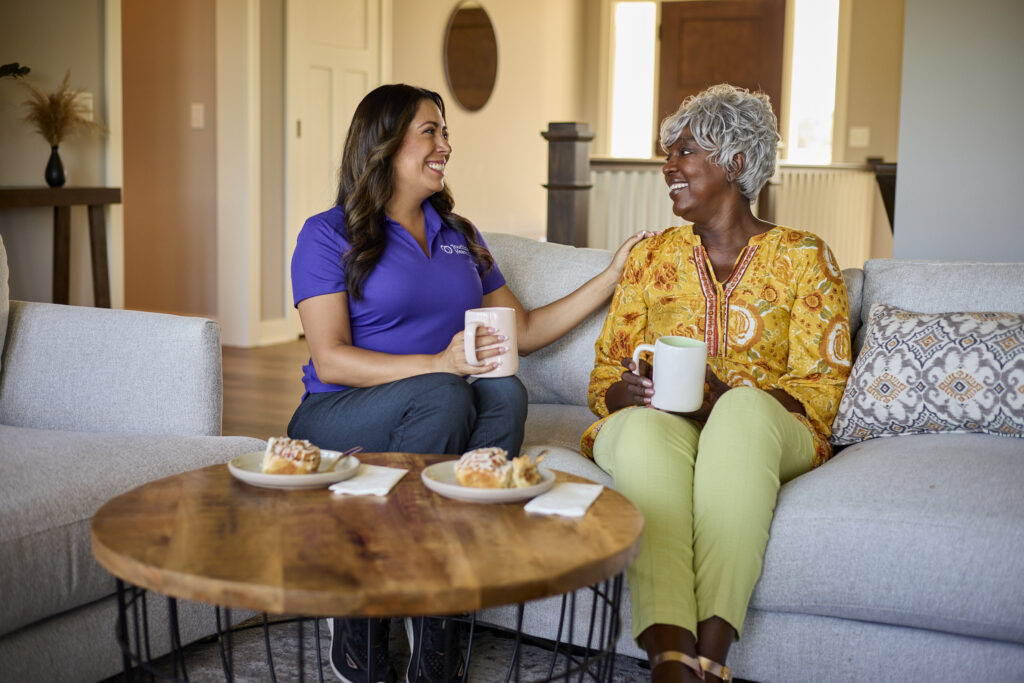
Social interaction and meaningful relationships are important at every age. Our caregivers provide conversation, companionship, recreational activities, and encouragement to help individuals stay engaged and connected.
For older adults who live alone or have limited opportunities for social interaction, regular companionship can make everyday life more enjoyable.
Personal Care and Assistance with ADLs
Activities of daily living, commonly called ADLs, include essential personal tasks such as bathing, dressing, grooming, toileting, and mobility assistance.
When these activities become challenging, compassionate assistance can help individuals maintain personal comfort, dignity, and confidence.
Homemaker Services
Maintaining a home can become physically demanding. Our caregivers can assist with light housekeeping, laundry, grocery shopping, errands, and meal preparation.
These services help create a more comfortable living environment while allowing individuals to focus on the activities they enjoy.
Transportation and Community Support
Remaining connected to the community is an important part of quality of life. Caregivers can provide transportation to appointments, social activities, grocery stores, and other destinations.
Respite Care for Family Caregivers
Family caregivers often devote countless hours to supporting loved ones. Respite care provides temporary assistance, allowing family members to take time for themselves while knowing their loved one has dependable support.
24-Hour Care and Extended Support
Some individuals require more extensive assistance throughout the day and night. Depending on their needs, care can be arranged for extended hours, overnight support, or around-the-clock coverage.
These services can be especially helpful for individuals experiencing significant changes in mobility, memory, or their ability to manage daily activities.
The Important Role of Home Care During Hospice
When a loved one enters hospice care, families often experience a wide range of emotions. They may be navigating difficult decisions, adjusting to changing care needs, and trying to make the most of their time together.
Hospice teams provide specialized medical and supportive services focused on comfort and quality of life. However, families may still need additional help with everyday responsibilities.
This is where non-medical home care can provide valuable support alongside hospice services.
At Touching Hearts at Home, our caregivers can assist with personal care, companionship, meal preparation, light housekeeping, and other non-medical daily needs.
Additional caregiver support may allow family members to spend more time being present with their loved one rather than managing every household and caregiving responsibility themselves.
It is important to understand that non-medical home care does not replace hospice services or provide hospice medical treatment. Instead, it can complement the hospice care plan by helping address everyday needs that are outside the scope of the hospice team’s scheduled services.
Communication and coordination with the family and hospice team are important to ensure everyone understands their respective roles and responsibilities.
Ultimately, the goal is to help individuals remain as comfortable as possible while giving families additional support during an especially meaningful and challenging time.
Supporting Family Caregivers
Caregiving is an act of love, but it can also be physically and emotionally demanding.
Many family caregivers take on responsibilities gradually. They may begin by helping with groceries, transportation, or household chores. Over time, they may find themselves providing assistance with personal care, mobility, meals, and supervision throughout the day.
Balancing these responsibilities with employment, children, relationships, and personal needs can become overwhelming.
Caregiver stress may show up as exhaustion, irritability, difficulty sleeping, social isolation, or a feeling that there is never enough time in the day.
Families should understand that asking for help does not mean they are doing something wrong. In fact, additional support can help caregivers maintain their own well-being while continuing to be present for their loved ones.
Respite care and ongoing home care assistance can provide valuable relief. Even a few hours of support can create an opportunity to rest, attend appointments, spend time with other family members, or simply recharge.
At Touching Hearts at Home, we recognize that supporting the family is an important part of providing quality care.
Choosing the Right Home Care Provider
Selecting a home care provider is an important decision. Families want confidence that the person entering their loved one’s home will be dependable, compassionate, and respectful.
When researching home care agencies, consider several important factors.
First, ask about caregiver screening, background checks, training, and supervision. Understanding how caregivers are selected and supported can help families feel more comfortable.
Next, consider whether the agency develops individualized care plans. Every person has different needs, routines, preferences, and expectations. A quality home care provider should take the time to understand these differences.
Communication is another important consideration. Families should know whom to contact with questions, concerns, or changes in care needs.
Finally, consider the agency’s flexibility. Care needs can change quickly, particularly following a hospitalization, a new diagnosis, or a decline in mobility. Finding a provider that can adapt to changing circumstances can make the experience easier for everyone involved.
At Touching Hearts at Home, we believe the right caregiver match can make all the difference. Our commitment is to understand the individual, build meaningful relationships, and provide care that reflects each client’s unique needs.
The People Behind Compassionate Care
Home care and hospice services would not be possible without the dedicated professionals who show up every day to make a difference.
Caregivers, home health aides, nurses, social workers, hospice professionals, and other healthcare workers often perform work that requires tremendous patience, compassion, and emotional strength.
Their contributions extend far beyond the tasks they complete. They provide reassurance during difficult moments, encouragement when someone feels discouraged, and companionship when a person feels alone.
At Touching Hearts at Home, we recognize that caregivers are the HEART of our organization.
We believe supporting our caregivers through education, guidance, communication, and appreciation is essential to providing quality care. When caregivers feel valued and supported, they are better positioned to build meaningful relationships with the individuals and families they serve.
We are also grateful for the healthcare professionals, hospitals, rehabilitation centers, assisted living communities, hospice organizations, and referral partners throughout Charlotte who share our commitment to helping individuals receive the care they need.
Strong community partnerships help families better understand their options and navigate transitions in care.
Putting the HEART in Home Care in Charlotte
Home Care & Hospice Month reminds us that compassionate care is not defined by one service or one profession. It is built through collaboration, understanding, and a shared commitment to helping people live with dignity.
Whether someone needs a little extra assistance around the house, ongoing personal care, support following a hospital stay, or additional help alongside hospice services, having the right people involved can make a meaningful difference.
At Touching Hearts at Home, we are proud to provide personalized non-medical in-home care to older adults, individuals with disabilities, and families throughout Charlotte and surrounding communities.
We believe care should go beyond completing tasks. It should create meaningful connections, preserve independence, respect personal choices, and provide families with greater peace of mind.
This November, we extend our gratitude to every caregiver, healthcare professional, family member, and community partner who helps make compassionate care possible.
If you are exploring home care options for yourself or a loved one, we would welcome the opportunity to talk with you about your family’s needs.
Contact Touching Hearts at Home to learn more about our personalized in-home care services.