


How Home Care Supports Seniors Living with Alzheimer's Disease and Dementia
June is Alzheimer’s & Brain Awareness Month, a time dedicated to raising awareness about Alzheimer’s disease, other forms of dementia, and the importance of supporting individuals and families affected by memory loss. Millions of Americans are living with Alzheimer’s disease, and many families find themselves navigating new challenges as cognitive changes begin to affect daily life.
While a dementia diagnosis can feel overwhelming, the right support system can help seniors maintain their quality of life, independence, and dignity for as long as possible. Home care plays a valuable role in helping individuals remain safe and comfortable in familiar surroundings while providing families with peace of mind.
Understanding Alzheimer’s Disease and Dementia
Alzheimer’s disease is the most common form of dementia, a condition that affects memory, thinking, reasoning, and behavior. While occasional forgetfulness can be a normal part of aging, dementia involves progressive cognitive decline that interferes with daily activities and routines.
Individuals living with Alzheimer’s disease may experience:
- Memory loss that disrupts daily life
- Difficulty completing familiar tasks
- Confusion with time or place
- Changes in mood or personality
- Challenges with communication
- Increased anxiety or agitation
Because symptoms typically worsen over time, many families find that additional support becomes necessary to ensure their loved one’s safety and well-being.
The Benefits of Remaining at Home
For seniors living with Alzheimer’s disease or dementia, familiar environments often provide comfort and reassurance. Remaining at home allows individuals to maintain established routines, recognize familiar surroundings, and continue participating in activities they enjoy.
Changes in the environment can sometimes increase confusion and stress. Home care helps seniors age in place while receiving the assistance they need to navigate daily challenges.
A familiar setting can help support emotional well-being while allowing family members to remain actively involved in their loved one’s care.
How Home Care Supports Individuals with Memory Loss
Home care provides personalized support tailored to each individual’s needs and stage of cognitive decline.
Professional caregivers can assist with:
Establishing Consistent Routines
Predictable daily schedules help reduce confusion and anxiety. Caregivers can assist with morning routines, meals, activities, and bedtime routines that create structure throughout the day.
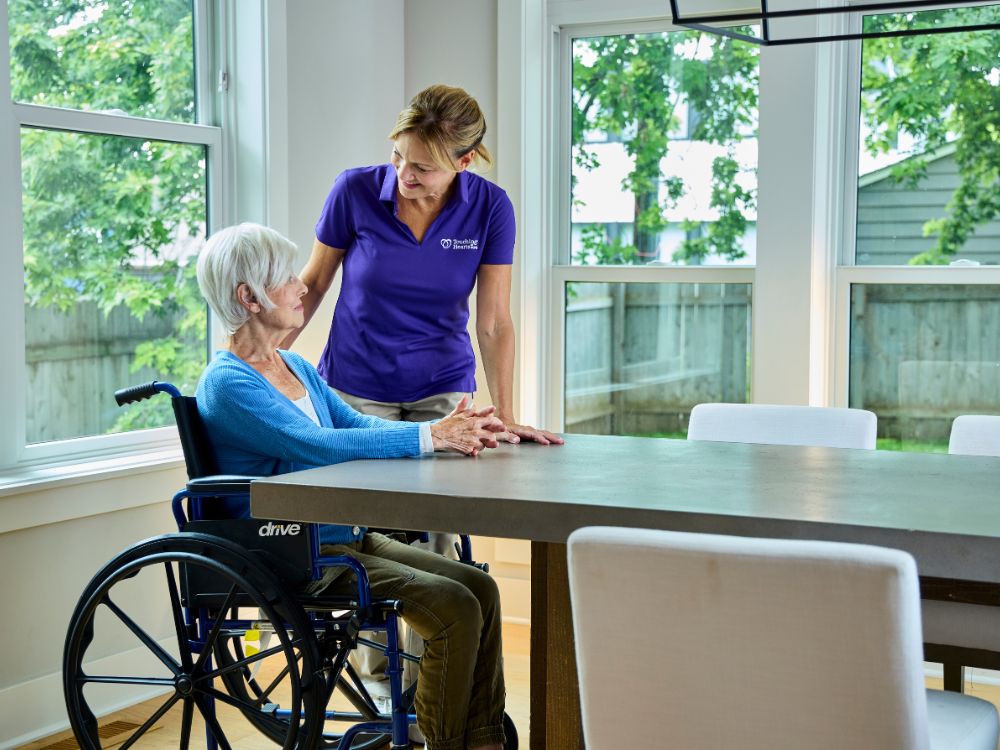
Providing Meaningful Companionship
Social interaction remains important for individuals living with dementia. Meaningful conversations, favorite hobbies, music, games, and reminiscing activities can help encourage engagement and reduce feelings of isolation.
Supporting Personal Care
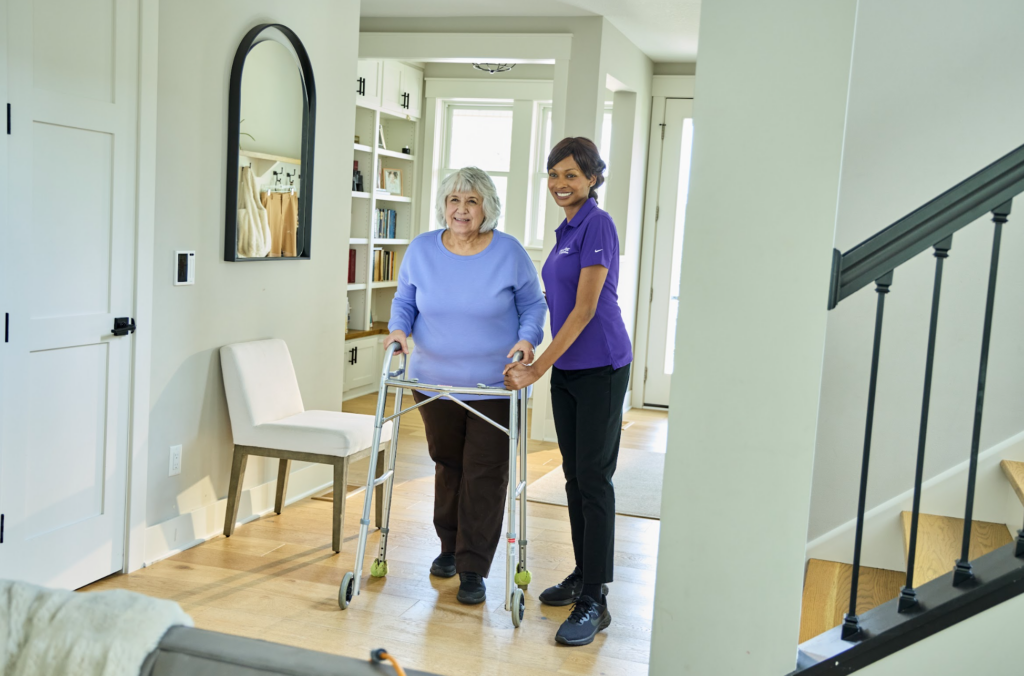
As cognitive changes progress, daily tasks such as bathing, dressing, grooming, and meal preparation may become more difficult. Caregivers provide respectful assistance while helping seniors maintain as much independence as possible.
Promoting Safety
Memory loss can increase risks associated with wandering, missed medications, household hazards, and falls. Having a caregiver present provides an added layer of supervision and support that helps create a safer environment.
Supporting Family Caregivers
Alzheimer’s disease affects entire families. Many adult children and spouses take on caregiving responsibilities while balancing careers, family obligations, and personal commitments.
Over time, caregiving can become emotionally and physically demanding. Home care provides valuable respite, allowing family caregivers to rest, attend appointments, manage responsibilities, or simply recharge while knowing their loved one is receiving compassionate care.
Support for family caregivers is an essential part of maintaining long-term care success.
How Touching Hearts at Home of Charlotte Can Help
At Touching Hearts at Home of Charlotte, we understand the unique challenges families face when caring for a loved one with Alzheimer’s disease or dementia. Our caregivers provide compassionate companionship, personal care assistance, meal preparation, transportation, and specialized support designed to promote comfort, dignity, and quality of life.
We believe every individual deserves to be treated with patience, respect, and understanding. Through personalized care plans and meaningful caregiver relationships, we help seniors remain safe and comfortable in the place they call home.
During Alzheimer’s & Brain Awareness Month, we recognize the strength of those living with memory loss, the dedication of family caregivers, and the importance of raising awareness about brain health. Together, we can help create supportive communities where seniors and families never have to navigate this journey alone.