Why In-Home Senior Care Helps Seniors Stay Independent
Independence is one of the most important values seniors want to maintain as they age. For many older adults, staying in their own home—surrounded by familiar routines, cherished belongings, neighbors, and memories—offers a deep sense of comfort and emotional stability. As families navigate decisions around elder care, one question becomes central: How can we support independence while also ensuring safety, health, and overall well-being?
For many families on the east side of Cleveland, including areas like Solon, Hudson, Chagrin Falls, Gates Mills, Moreland Hills, and Beachwood, in-home senior care is becoming the preferred choice. It provides personalized support designed to help seniors continue living life on their terms. With services that include companionship, personal care, mobility assistance, safety monitoring, and daily living support, this type of care empowers older adults to remain independent without compromising safety or dignity.
In this post, we’ll explore why in-home senior care is uniquely effective at promoting independence and how Touching Hearts at Home Cleveland supports seniors in living confidently, safely, and joyfully at home.
Why Independence Matters to Aging Adults
Aging brings natural changes—reduced mobility, memory challenges, fatigue, slower reflexes, or increased medical needs. Even so, most seniors still strongly prefer to remain in their homes for as long as possible.
Independence matters because it supports:
1. Emotional well-being
Losing independence can lead to frustration, sadness, or a sense of helplessness. Maintaining control over daily routines helps seniors feel capable and valued.
2. Cognitive health
Engaging in decisions and daily tasks reinforces memory, problem-solving, and mental sharpness.
3. Sense of purpose
Being able to continue hobbies, manage parts of the home, or remain socially active helps seniors stay motivated and connected.
4. Identity and dignity
For many older adults, independence is deeply tied to who they are. It represents self-respect, privacy, and personal autonomy.
In-home care aims to preserve these elements as long as possible, while offering the right amount of support where challenges arise.
The Power of Personalized In-Home Care
One of the biggest advantages of in-home senior care is that it is completely customizable. Services can be tailored to each senior’s needs, preferences, personality, and daily routines.
This personalized approach enables seniors to remain independent longer because care is designed to support—not replace—their abilities.
Here’s how:
1. Support with Daily Living, While Encouraging Participation
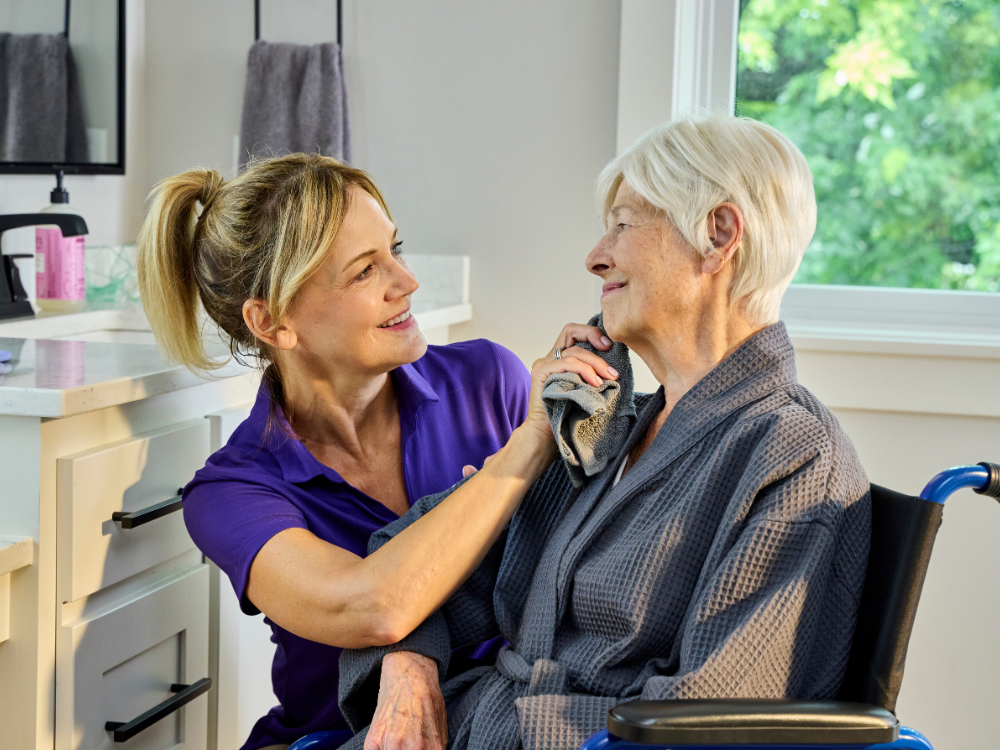
Activities of Daily Living (ADLs) sometimes become difficult with age. These include bathing, dressing, grooming, toileting, transferring, and mobility. In-home caregivers provide hands-on personal care where needed while encouraging seniors to participate in ways that promote strength and independence.
For example:
- If a senior can dress themselves but struggles with buttons, caregivers assist only where needed.
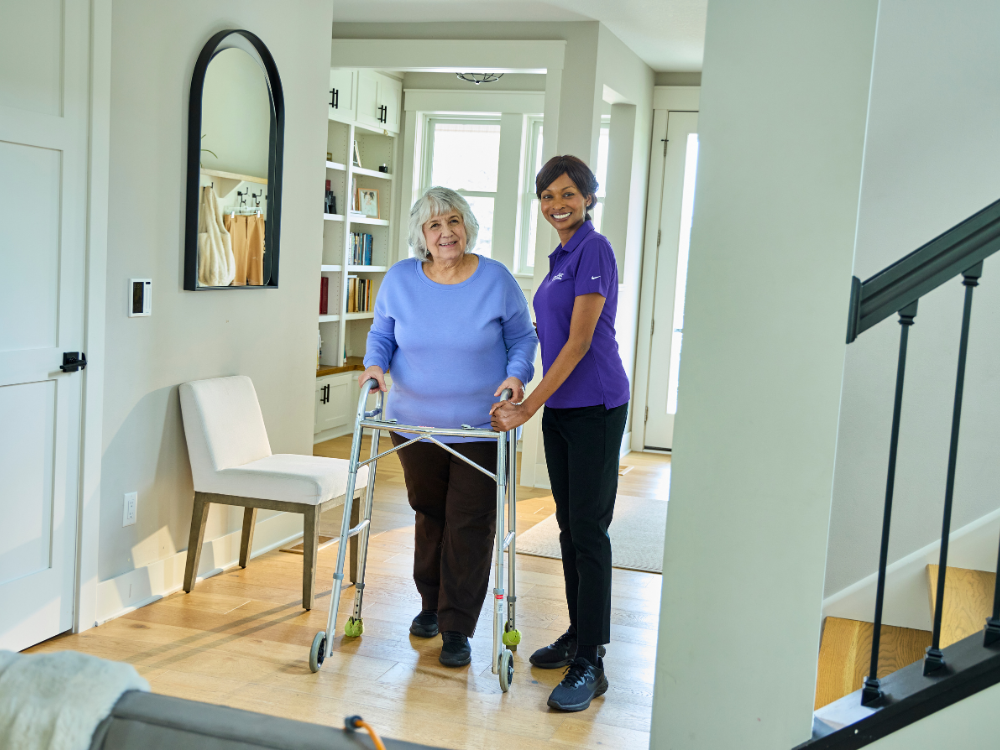
- If a senior can walk with a walker but needs supervision, caregivers support safe movement rather than taking over mobility.
- If a senior can perform parts of their morning routine, caregivers support completion while promoting self-direction.
This “supportive independence” model prevents over-assistance—helping seniors maintain confidence, mobility, and autonomy.
2. Maintaining Familiar Routines
Routines are essential for emotional stability, especially for seniors with memory challenges or dementia. In-home care allows routines to remain intact:
- waking up at the same time
- enjoying preferred breakfast choices
- watching favorite morning shows
- reading the newspaper
- keeping medication schedules consistent
- maintaining household traditions
- enjoying longstanding hobbies
In assisted living or other care settings, routines often revolve around facility schedules. In-home care keeps seniors’ personal rhythms at the center.
Touching Hearts at Home Cleveland builds care plans around each senior’s daily routines—not the other way around.
3. Reducing Fall Risks with Safety Support
One of the biggest barriers to independence is the risk of falling. Falls are the leading cause of injury among older adults, and fear of falling can cause reduced activity—which can actually increase fall risk.
In-home caregivers:
- support safe walking
- monitor balance
- provide safe transfers
- help with showers and bathroom routines
- remove clutter and hazards
- encourage light movement and mobility
- ensure assistive devices are used correctly
This consistent support keeps seniors mobile and confident—two essential elements of independence.
4. Providing Transportation and Community Access
Independence goes far beyond what happens inside the home. Seniors also want to remain engaged with their community.
In-home caregivers can provide transportation for:
- medical appointments
- grocery stores
- haircuts
- church services
- community centers
- friends and family visits
- errands and shopping
- social activities
Loss of driving is often a major blow to independence. With reliable caregiver transportation, seniors continue participating in the world beyond their doorstep.
5. Companionship That Encourages Engagement
Loneliness can significantly reduce quality of life and independence. Social isolation is linked to depression, cognitive decline, and decreased physical health.
Companionship is one of the most important parts of in-home senior care.
Caregivers from Touching Hearts at Home Cleveland:
- provide meaningful conversation
- play games and reminisce
- go for walks
- support hobbies like gardening, reading, puzzles, or music
- encourage movement and activities
- help seniors stay connected emotionally
A socially engaged senior is more active, sharper mentally, happier, and far more independent.
6. Promoting Nutrition and Health Habits
Nutrition plays a major role in maintaining independence. Skipped meals, poor hydration, or reliance on processed foods can lead to weakness, confusion, or falls.
Caregivers help with:
- meal planning
- grocery shopping
- nutritious meal preparation
- hydration reminders
- condition-specific dietary needs
Proper nutrition supports energy, balance, memory, and overall health—helping seniors stay independent longer.
7. Medication Reminders That Support Stability
Many seniors take multiple medications. Missing doses or taking them incorrectly can lead to dizziness, confusion, or medical emergencies.
In-home caregivers provide non-medical medication reminders, helping seniors stay on track without disrupting their autonomy.
This stability allows seniors to remain at home confidently.
8. Emotional Support and Confidence Building
Aging can be intimidating. Seniors may worry about losing their independence, becoming a burden, or falling behind physically or mentally.
Caregivers offer reassurance, encouragement, and emotional safety—helping seniors feel capable and supported.
This emotional confidence is one of the greatest contributors to long-term independence.
Why Cleveland Families Choose Touching Hearts at Home
Touching Hearts at Home Cleveland has become a trusted partner for families seeking compassionate, respectful in-home care. We focus on supporting each senior’s goals, preferences, routines, and dignity.
Families choose us because we offer:
✔️ Personalized care plans
✔️ Companion care and personal care
✔️ Consistent, reliable caregivers
✔️ Real-time updates through the Family Room App
✔️ Flexible scheduling
✔️ Thoughtful caregiver-client matching
✔️ Local leadership that understands the Cleveland community
Our mission is simple: to help seniors stay independent, safe, and connected to the life they love.
Final Thoughts: Independence Is Worth Protecting
In-home senior care is one of the most powerful ways to protect independence while ensuring safety, comfort, and emotional well-being. Whether your loved one needs support with personal care, companionship, mobility, cooking, errands, or daily tasks, the goal is always the same: to help them live life on their terms.
Touching Hearts at Home Cleveland is here to support that journey—one visit, one conversation, one act of care at a time.