
Brain Health & Social Wellness: Why Staying Connected Matters for Seniors
By Tammie Henderson, Owner of Touching Hearts at Home of Denton, TX
As we age, maintaining our physical health often becomes a priority, but brain health deserves just as much attention. Research continues to show that social wellness plays a critical role in keeping our minds active, our memories engaged, and our overall quality of life strong.
At Touching Hearts at Home of Denton County, we believe that meaningful connections are just as important as medication reminders or nutritious meals. A conversation over coffee, a walk through the neighborhood, or an afternoon spent with family can have a lasting impact on cognitive health and emotional well-being.
Understanding Alzheimer’s Disease
Alzheimer’s disease is the most common form of dementia, affecting millions of older adults worldwide. It is a progressive brain disorder that slowly damages memory, thinking skills, and eventually the ability to carry out everyday tasks.
While aging is the greatest risk factor, Alzheimer’s is not a normal part of growing older. The disease occurs as abnormal proteins build up in the brain, disrupting communication between brain cells and causing them to die over time.
Early signs may include:
- Forgetting Recently Learned Information
- Difficulty Completing Familiar Tasks
- Trouble Finding Words During Conversations
- Confusion with Time or Place
- Changes in Mood or Personality
- Withdrawing from Social Activities
Although there is currently no cure for Alzheimer’s disease, growing evidence suggests that healthy lifestyle choices—including regular social interaction—may help support brain health and potentially slow cognitive decline.
The Powerful Connection Between Social Wellness and Brain Health
Humans are naturally social beings. Our brains thrive on conversation, laughter, problem-solving, and emotional connection.
Studies have found that older adults who remain socially engaged often experience:
- Better Memory and Cognitive Function
- Lower Rates of Depression and Anxiety
- Reduced Feelings of Loneliness
- Improved Confidence and Self-Esteem
- Greater Sense of Purpose
- Better Overall Physical Health
On the other hand, prolonged isolation and loneliness have been linked to faster cognitive decline and an increased risk of dementia. Social interaction stimulates multiple areas of the brain, encouraging memory recall, language skills, attention, and emotional processing.
Simply put, staying connected helps keep the brain active.
Everyday Ways Families Can Encourage Social Wellness
You don’t have to plan elaborate outings to make a meaningful difference. Small, consistent interactions often have the greatest impact.
Here are several ways families can encourage engagement:
Schedule Regular Family Visits
Consistency provides comfort. Even a weekly visit can become something your loved one looks forward to and help reduce feelings of isolation.
Share Stories and Memories
Looking through old photo albums or reminiscing about family vacations encourages memory recall while strengthening emotional bonds.
Try asking questions like:
- “Tell me about your first job.”
- “What was your favorite family tradition?”
- “How did you meet Grandma or Grandpa?”
These conversations often spark joyful memories.
Enjoy Music Together
Music has a unique ability to stimulate areas of the brain associated with memory and emotion. Listen to favorite songs, attend a local concert in the park, or simply sing along together at home.
Play Brain-Boosting Games
Games provide both entertainment and mental stimulation. Consider:
- Card Games
- Dominoes
- Crossword Puzzles
- Sudoku
- Jigsaw Puzzles
- Trivia Games
- Bingo
The goal isn’t competition, it’s engagement.
Explore Community Activities
Many local senior centers, libraries, churches, and recreation facilities throughout Denton County offer opportunities to connect with others through:
- Exercise Classes
- Craft Workshops
- Book Clubs
- Game Days
- Educational Seminars
- Volunteer Opportunities
Even attending one event each week can build new friendships and routines.
Take Walks Together
Physical activity supports both brain and heart health. Walking through a local park, neighborhood, or botanical garden creates opportunities for conversation while improving mood and circulation.
Encourage Intergenerational Time
Children and grandchildren often bring energy, laughter, and spontaneity into a loved one’s day. Reading books together, baking cookies, gardening, or completing simple crafts can create lasting memories for every generation.
When Socializing Becomes More Difficult
As Alzheimer’s disease or other forms of dementia progress, large gatherings and unfamiliar environments may become overwhelming.
Instead, focus on simpler forms of connection:
- One-on-One Conversations
- Short Visits
- Familiar Routines
- Gentle Music
- Looking through Photographs
- Reading Aloud
- Watching Birds Outdoors
- Folding Towels or Helping with Simple Household Tasks
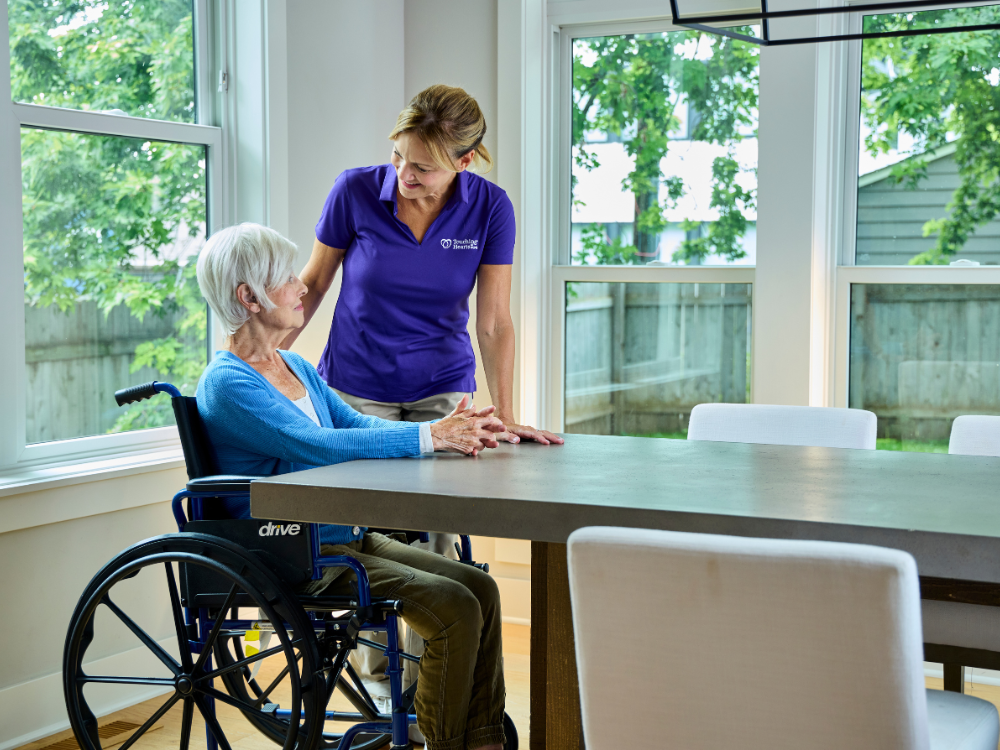
Remember, meaningful engagement doesn’t require lengthy conversations. Sometimes simply sitting together, holding hands, or sharing a quiet moment provides comfort and reassurance.
How Professional Care Can Help
Family caregivers often balance careers, children, and countless responsibilities. It can become difficult to provide the regular companionship a loved one needs.
That’s where compassionate in-home care can make a difference.
At Touching Hearts at Home of Denton County, our caregivers do more than assist with daily routines. We provide meaningful companionship through conversation, games, walks, hobbies, nutritious meal preparation, and activities tailored to everyone’s interests and abilities.
Our goal is to help older adults remain independent while supporting their emotional, cognitive, and social well-being in the comfort of home.
Every Connection Matters
Brain health isn’t supported by medication alone. It grows stronger through conversation, laughter, movement, purpose, and meaningful relationships.
Whether it’s a weekly family dinner, a game of cards, or simply sharing stories over a cup of coffee, every interaction helps nurture emotional wellness and cognitive health.
If someone you love is experiencing memory changes or simply spending more time alone, consider how increasing social engagement could brighten their days and support their brain health for years to come.
At Touching Hearts at Home of Denton County, we’re honored to share our heart with yours and walk alongside families as trusted partners in relationship-centered care.