She always used to cook. Big Sunday dinners. Fresh tortillas every week. Brisket that simmered all day.
But lately, when her daughter stops by, she finds the same half-empty container of yogurt in the fridge that was there three days ago. The stove looks like it hasn’t been used. And her mom has lost a few pounds she didn’t have to spare.
This is one of the quieter warning signs families often notice — not a fall, not a hospital visit, but a gradual drift away from regular, nourishing meals.
For older adults, what you eat isn’t a secondary concern. Nutrition affects energy, immunity, cognitive function, wound healing, bone strength, and quality of life. When eating well slips, everything else tends to follow.
The good news is that good eating doesn’t have to be complicated. And with the right support, it can still be something enjoyed — not just endured.
Why Nutrition Changes as We Age
- Appetite decreases — many older adults simply feel less hungry, which can lead to unintentional weight loss
- Sense of taste and smell diminishes — food that used to be appealing may seem bland or unappealing
- Digestion slows — fiber, hydration, and meal timing matter more
- Medications can affect appetite, taste, and nutrient absorption
- Chewing becomes harder for some, especially with dental changes
- The effort of cooking for one can feel disproportionate to the reward
Key Nutritional Priorities for Seniors in Fort Bend
Protein for Strength and Recovery
Muscle mass naturally decreases with age, and protein is one of the primary tools for slowing it. Seniors generally need more protein per pound of body weight than younger adults, not less.
Good protein sources that tend to be easy to eat: eggs, fish, Greek yogurt, beans, chicken, and cottage cheese.
Calcium and Vitamin D for Bone Health
Falls are most dangerous when bones are fragile. Dairy products, fortified foods, leafy greens, and salmon are good sources of calcium. Vitamin D — which helps the body absorb calcium — is sometimes low in older adults, particularly those who spend a lot of time indoors during Fort Bend’s long, hot summers.
Fiber for Digestive Health
Constipation is a common and often unspoken issue for older adults. Adequate fiber — from vegetables, fruits, beans, and whole grains — along with good hydration helps keep digestion working as it should.
Hydration — More Important Than Most Realize
Dehydration is a serious and frequently underappreciated problem for seniors. The sensation of thirst diminishes with age, which means people don’t drink enough even when their bodies need water. In Fort Bend’s climate, where summers are long and hot, this risk is amplified.
Encouraging regular water intake — not just at meals, but throughout the day — is one of the simplest and most impactful things a care partner can do.
Simple Meal Ideas That Actually Work for Older Adults
- Scrambled eggs with avocado and whole grain toast — protein-rich, soft, easy to make
- Lentil soup or chicken vegetable soup — warm, nourishing, easy to make in batches
- Greek yogurt with berries and a drizzle of honey — a calcium-rich breakfast or snack with no cooking required
- Baked salmon with steamed vegetables and brown rice — heart-healthy and easy to eat
- Bean and cheese quesadilla with salsa — satisfying, protein-rich, and a nod to the Tex-Mex flavors many Fort Bend residents love
- Smoothies made with protein powder, fruit, and Greek yogurt — ideal for days when appetite is low but nutrition is still needed
- Simple oatmeal with nuts and fruit — fiber-rich and easy to customize
How In-Home Care Supports Good Nutrition
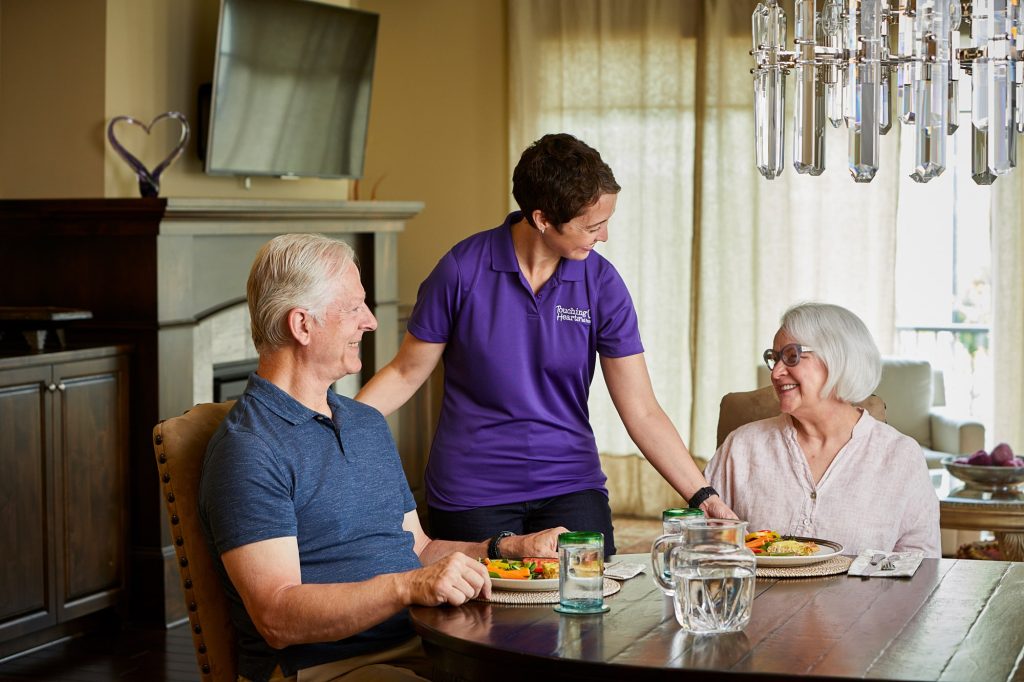
Meal preparation is one of the most common services families ask for when they reach out to home care services in Fort Bend TX. A care partner who helps with meal prep does more than cook. They:
- Help plan meals around dietary restrictions or preferences
- Shop for or help order groceries
- Prepare meals that are easy to eat and appealing to that particular person
- Encourage regular eating, especially on days when appetite is low
- Prompt hydration throughout the day
- Make meals a social experience — eating together is often more enjoyable than eating alone
That last point is worth emphasizing. A significant reason seniors skip meals is that eating alone isn’t pleasant. Having someone at the table — someone to talk to, to share the meal with — makes eating something to look forward to again.
Special Dietary Considerations
- Diabetes: monitoring carbohydrate intake, focusing on consistent meal timing, and avoiding blood sugar spikes
- Heart disease: reducing sodium, saturated fats, and processed foods
- Kidney disease: careful management of protein, potassium, and phosphorus
- Swallowing difficulties (dysphagia): softer foods, thickened liquids, specific textures
A good home care agency will work with families and, where appropriate, with healthcare providers to understand these needs and make sure meal preparation reflects them.
A Word on Dignity and Preference
Good nutrition support should never feel like a lecture. No one — at any age — wants to be told what they can’t eat.
The best meal support is built around what your loved one actually enjoys, modified thoughtfully where health needs require. If your dad has eaten jalapeños his whole life, that doesn’t have to stop. If your mom loves sweets, there are ways to enjoy them in moderation without stripping away pleasure.
Food is tied to culture, memory, and identity. Senior care in Fort Bend County that honors that truth brings warmth and humanity to mealtimes.
If your loved one’s eating habits have you concerned, we’re here to talk. Touching Hearts at Home of Fort Bend and Sugar Land can help you figure out what kind of meal support might make the biggest difference.
Frequently Asked Questions
How much protein do seniors need per day?
Most nutrition guidelines recommend older adults get 1.0–1.2 grams of protein per kilogram of body weight daily — higher than standard recommendations for younger adults. A doctor or dietitian can give personalized guidance.
How can I tell if my parent isn’t eating enough?
Watch for weight loss, fatigue, decreased strength, confusion, or reports that eating has become less appealing. Empty or sparse fridges during visits are also a practical indicator.
Can in-home care in Fort Bend help with special dietary needs like diabetes?
Yes. Care partners can prepare meals that align with specific dietary guidelines provided by a family or physician. For complex medical nutrition needs, they can work alongside a registered dietitian.
How does hydration affect older adults?
Dehydration in seniors can cause confusion, dizziness, constipation, urinary tract infections, and increased fall risk. Because the thirst sensation decreases with age, proactive encouragement to drink water throughout the day is essential — especially in Fort Bend’s climate.
Does Touching Hearts at Home help with grocery shopping?
Yes. Transportation to the grocery store and assistance with shopping are services that can be included in a care plan, along with meal preparation and kitchen help.