
10 Signs Your Aging Parent May Need In-Home Care in Greeley
Noticing that something feels “off” with a parent can be deeply unsettling. Maybe it’s a comment from a neighbor, a missed appointment, or a small change you can’t quite put your finger on. For many adult children in Greeley, these moments quietly raise an important question: Is my parent still safe living on their own?
It’s common to second-guess yourself during this stage. You may wonder if what you’re seeing is just normal aging—or if it’s a sign that your parent needs extra support at home. These thoughts often come with guilt, worry, and a desire to respect your parent’s independence while also keeping them protected.
This article walks through ten common signs that an aging parent may benefit from in-home care. Understanding these indicators can help families in Northern Colorado make informed, compassionate decisions that support safety, dignity, and quality of life.
Why Early Signs Shouldn’t Be Ignored
Aging rarely brings one dramatic moment where everything suddenly changes. Instead, it often shows up in small, steady shifts—missed routines, reduced energy, or subtle safety concerns. In communities like Greeley and across Fort Collins, weather, longer drives, and limited public transportation can make these challenges more impactful.
Recognizing the signs early allows families to put supportive care in place before a crisis occurs. In-home care can step in gently, helping seniors remain comfortably at home while easing stress for the entire family.
1. Personal Hygiene Is Being Overlooked
Fewer showers, unkempt appearance, or repeated outfits
If your parent is bathing less often, wearing the same clothes for days, or neglecting grooming, it may be because these tasks feel physically difficult or unsafe. Fear of falling in the shower or trouble bending and balancing are common concerns.
How in-home care helps
Caregivers provide respectful assistance with bathing, dressing, and grooming, helping seniors feel clean, confident, and dignified without feeling rushed or embarrassed.
2. The Home Is Becoming Messy or Unsafe
Clutter, dirty dishes, or expired food
A noticeable change in household cleanliness can be an early warning sign. Tasks like vacuuming, laundry, or cleaning the kitchen may feel overwhelming due to mobility limitations or fatigue.
Why this matters
In-home care includes light housekeeping support that helps keep walkways clear, kitchens safe, and living spaces comfortable—especially important during snowy or icy conditions common in Northern Colorado.
3. Missed Medications or Confusion About Prescriptions
Pills left untouched or taken incorrectly
Medication schedules can become confusing as vision, memory, or concentration changes. Missed doses or double-dosing can lead to serious health issues.
Support at home
Caregivers provide reliable medication reminders and routine support, helping your parent stay consistent while giving families peace of mind.
4. Changes in Eating Habits or Unexplained Weight Loss
Skipped meals or poor nutrition
If the refrigerator is empty, meals go untouched, or your parent relies mostly on snacks, nutrition may be suffering. Cooking and grocery shopping can become tiring or confusing.
How care makes a difference
In-home caregivers assist with meal planning, preparation, and encouragement during meals, helping ensure seniors eat regularly and maintain their strength.
5. Increasing Forgetfulness That Disrupts Daily Life
Missed appointments or unpaid bills
Occasional forgetfulness is normal, but repeated lapses—like missing appointments at the hospital or doctor’s clinic or forgetting important dates—may indicate a growing need for daily support.
The benefit of routine
Caregivers help establish predictable routines and gentle reminders that keep days organized and reduce stress for your parent.
6. Mobility Issues or Fear of Falling
Trouble walking, standing, or using stairs
Mobility challenges are one of the most common reasons families seek in-home care. Falls are a serious risk, especially during winter months when ice and snow are part of daily life in Greeley.
Added reassurance
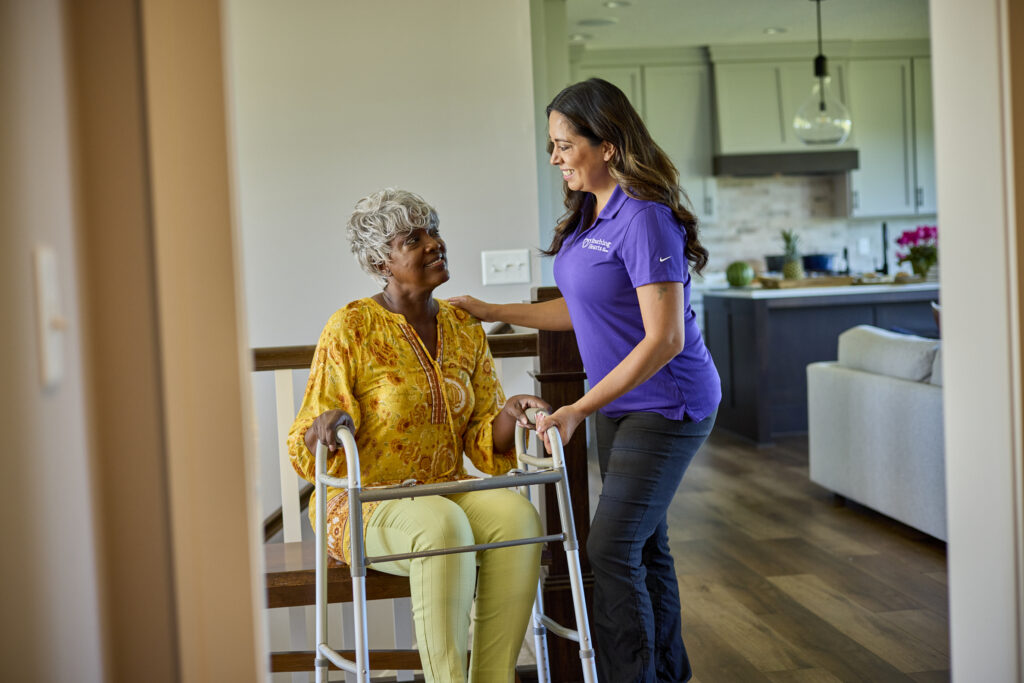
Caregivers provide steady assistance with walking, transfers, and daily movement, helping reduce fall risks and encouraging safe activity.
7. Social Withdrawal or Loneliness
Fewer phone calls or canceled plans
If your parent is no longer attending social events, calling friends, or engaging in hobbies they once enjoyed, isolation may be setting in. Loneliness can affect both emotional and physical health.
Companionship matters
In-home care offers meaningful companionship—conversation, shared activities, and outings—helping seniors stay connected and emotionally supported.
8. Mood Changes or Signs of Depression
Irritability, sadness, or loss of motivation
Emotional changes are often overlooked. Depression in seniors may show up as irritability, fatigue, or withdrawal rather than open sadness.
A consistent, caring presence
Caregivers provide emotional reassurance, structure, and encouragement, which can help lift mood and create a more positive daily experience.
9. Difficulty Driving or Managing Transportation
Missed appointments or reluctance to leave home
If your parent is avoiding driving or struggling to get to errands and appointments, independence can shrink quickly—especially in areas without easy transportation options.
Transportation support
Caregivers can assist with rides to appointments, grocery stores, and social activities, helping seniors stay engaged in the Greeley community.
10. Family Caregivers Are Feeling Overwhelmed
You’re stretched thin
Sometimes the clearest sign isn’t about your parent—it’s about you. If caregiving is interfering with your work, sleep, or family life, it may be time to bring in additional support.
Care is not a failure
In-home care allows families to share responsibilities, ensuring consistent support for their loved one while restoring balance and peace of mind.
How In-Home Care Preserves Independence
Many families worry that bringing in help will make a parent feel less independent. In reality, the opposite is often true. By assisting only where needed, in-home care empowers seniors to remain safely in their own homes, surrounded by familiar routines and memories.
For families in Greeley, in-home care offers flexibility—ranging from a few hours a week to daily assistance—tailored to evolving needs.
Starting the Conversation With Your Parent
Talking about in-home care can feel delicate. It often helps to focus on shared goals, like staying safe at home or having extra support during busy seasons such as winter. Emphasizing that care is about support, not control, can make the conversation more comfortable and collaborative.
Frequently Asked Questions
Families often have similar questions when exploring in-home care for the first time.
How do I know if it’s time for in-home care?
If you’re noticing several of these signs or feel ongoing concern about your parent’s safety or well-being, it may be time to explore support options.
Can in-home care start small?
Yes. Many families begin with part-time care and increase support gradually as needs change.
Will my parent still have a say in their daily routine?
Absolutely. In-home care is designed to follow your parent’s preferences and routines as much as possible.
Is in-home care only for physical needs?
No. Care also includes emotional support, companionship, safety monitoring, and help with daily organization.
How does in-home care help families?
It reduces stress, provides consistency, and allows family members to focus on relationships instead of constant caregiving tasks.
If you’re feeling unsure about your parent’s needs, Touching Hearts offers a free, no-pressure in-home consultation in Greeley. We’re here to support your family every step of the way.