
10 Signs Your Aging Parent May Need In-Home Care in Johnstown
Watching a parent grow older can bring a mix of emotions. Many families in Johnstown feel proud to support the people who once cared for them—but they may also feel uncertain about when extra help is truly needed.
Often, changes happen gradually. A parent who once handled everything independently may begin struggling with small daily tasks. You might notice the house isn’t as tidy as it used to be, or that they seem more tired after running errands around town.
These changes can raise important questions. Is your parent simply having a temporary rough patch, or is it time to consider additional support? Recognizing the early signs that a loved one may benefit from in-home care can help families act before small issues become larger safety concerns.
In this guide, we’ll walk through ten common signs that an aging parent in Johnstown may benefit from compassionate in-home support.
Understanding When Seniors Need Extra Support
Many older adults want to remain independent for as long as possible. In communities throughout the Fort Collins region, seniors often value staying in the homes where they raised their families and built decades of memories.
In-home care is designed to support that independence. Rather than moving to a new environment, caregivers bring assistance directly into the home—helping seniors stay safe while maintaining their routines.
But how do families know when it’s time to consider that help?
The following signs often indicate that a parent may benefit from professional support.
1. Difficulty Managing Household Tasks
One of the earliest signs families notice is a decline in household upkeep.
You might see things like:
-
Laundry piling up
-
Dishes left in the sink
-
Expired food in the refrigerator
-
Dust or clutter building in frequently used rooms
These changes can happen when everyday chores become physically tiring or overwhelming.
Caregivers can assist with light housekeeping, meal preparation, and organizing daily tasks so the home remains safe and comfortable.
2. Increased Forgetfulness
Occasional forgetfulness is normal as people age. However, more frequent memory lapses may indicate a need for additional support.
Examples may include:
-
Missing medical appointments at Northern Colorado Long Term Acute Hospital
-
Forgetting to take medications
-
Leaving the stove on
-
Misplacing important items
Caregivers can provide gentle reminders and daily structure that help seniors stay on track with important routines.
3. Noticeable Weight Loss or Poor Nutrition
Changes in eating habits are another common warning sign.
Some seniors struggle with grocery shopping, cooking, or maintaining a balanced diet. Others simply lose interest in preparing meals for themselves.
Signs may include:
-
Weight loss
-
Empty cupboards or spoiled food
-
Skipped meals
-
Lack of energy
In-home caregivers can help with meal planning, grocery shopping, and preparing nutritious meals that support healthy aging.
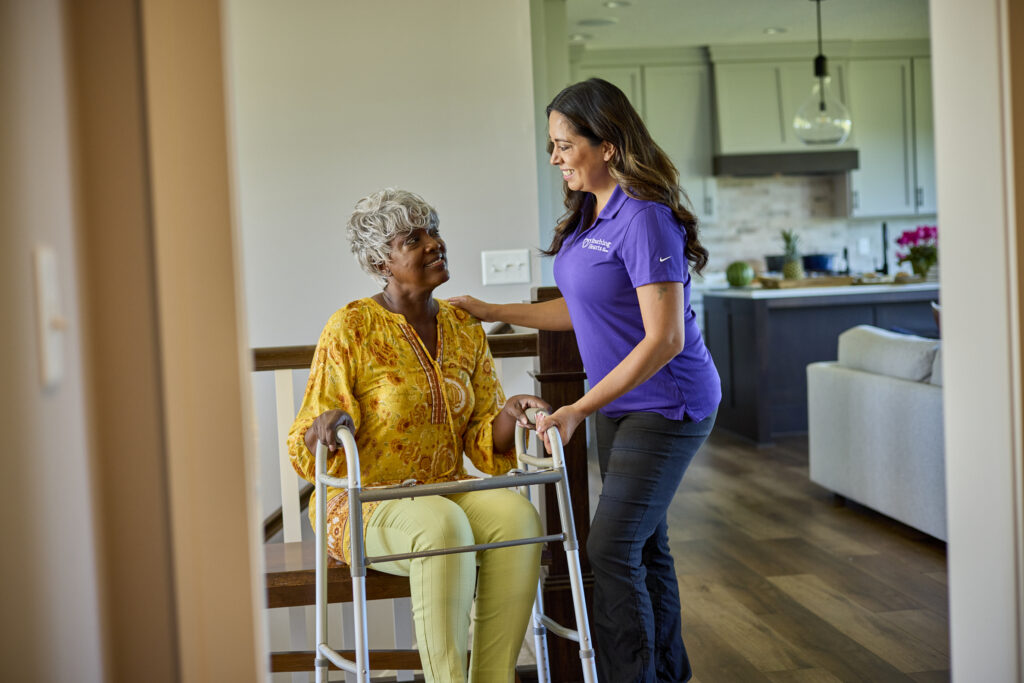
4. Mobility Challenges or Frequent Falls
Falls are one of the most serious safety risks for older adults.
If your parent has difficulty walking, standing up from chairs, or navigating stairs, they may be at higher risk for injury—especially during icy winter conditions common across the Front Range.
Caregivers can assist with:
-
Safe movement around the home
-
Fall prevention strategies
-
Monitoring mobility changes
-
Transportation to appointments
Even small adjustments and extra support can significantly reduce fall risks.
5. Difficulty Managing Medications
Many seniors take several medications each day. Keeping track of schedules and dosages can become confusing.
Missed or incorrect medications can lead to health complications and hospital visits.
Caregivers provide helpful medication reminders and monitoring so seniors stay consistent with their treatment plans.
6. Social Isolation or Loneliness
Seniors who live alone may gradually withdraw from social activities, especially if driving becomes difficult.
Your parent may:
-
Stop attending community events
-
Avoid hobbies they once enjoyed
-
Speak less frequently with friends or neighbors
Loneliness can affect emotional and physical health. Caregivers provide companionship, conversation, and encouragement to stay socially engaged.
7. Unpaid Bills or Financial Confusion
Difficulty managing finances can signal cognitive or memory changes.
You might notice:
-
Unopened mail piling up
-
Missed bill payments
-
Duplicate purchases
-
Confusion about finances
While caregivers do not manage finances directly, they can assist with organization, reminders, and communication with family members when concerns arise.
8. Changes in Personal Hygiene
A noticeable decline in grooming or personal care can indicate that daily routines have become challenging.
Signs might include:
-
Wearing the same clothes repeatedly
-
Difficulty bathing
-
Unkempt hair or grooming
-
Body odor
Caregivers provide respectful assistance with bathing, dressing, and grooming while maintaining the senior’s dignity and comfort.
9. Safety Concerns Around the Home
Many homes were not originally designed with aging in mind.
Common hazards include:
-
Poor lighting
-
Cluttered walkways
-
Loose rugs
-
Difficult bathroom layouts
Caregivers can monitor safety concerns and help families identify simple improvements that make the home environment safer.
10. Family Caregivers Feeling Overwhelmed
Sometimes the clearest sign that help is needed is when family caregivers begin feeling exhausted or overwhelmed.
Balancing work, family responsibilities, and caregiving can quickly become stressful. When caregivers feel stretched too thin, it can affect both their well-being and the quality of care they’re able to provide.
Professional caregivers can step in to share responsibilities and give families the support they need.
How In-Home Care Supports Independence
Many seniors worry that accepting help means losing independence. In reality, the opposite is often true.
In-home care allows seniors to:
-
Remain in familiar surroundings
-
Maintain their routines
-
Receive personalized support
-
Stay connected to their community
For families in Johnstown and nearby communities, this approach often provides the best balance between safety and independence.
Compassionate Support for Families in Johnstown
At Touching Hearts at Home, we understand that recognizing the need for help can feel emotional and uncertain.
Our caregivers provide compassionate support designed to help seniors remain safe, comfortable, and independent in the homes they love.
Whether your loved one needs occasional companionship or more consistent daily assistance, our team works closely with families to create personalized care plans that fit their needs.
If you’re feeling unsure about your parent’s needs, Touching Hearts offers a free, no-pressure in-home consultation in Johnstown. We’re here to support your family every step of the way.
Frequently Asked Questions
Families often have questions when they first begin exploring in-home care options.
How do I know if my parent truly needs home care?
If your parent is struggling with daily tasks, experiencing frequent falls, or showing signs of memory decline, it may be time to consider additional support.
Can home care start with only a few hours per week?
Yes. Many families begin with just a few hours of assistance each week and increase support if needs change.
What types of services do caregivers provide?
Caregivers assist with personal care, meal preparation, transportation, companionship, light housekeeping, and safety monitoring.
Will my parent lose independence if we bring in a caregiver?
In most cases, home care helps seniors maintain independence by providing support only where it is needed.
Can caregivers help with transportation to appointments?
Yes. Caregivers can assist with transportation to doctor visits, therapy appointments, and errands around Johnstown.