Dementia Care at Home in Greeley: What Families Need to Know
Noticing memory changes in a parent or spouse can be deeply unsettling. Maybe they’re repeating the same stories, missing appointments, or struggling with tasks that once felt automatic. For families in Greeley, these moments often bring a quiet realization that something more may be going on—and a growing concern about how to provide the right kind of support.
Dementia doesn’t just affect one person; it touches the entire family. Adult children may feel overwhelmed trying to balance work, parenting, and caregiving, while spouses may feel exhausted and unsure how to help without overstepping. It’s common to feel lost, especially when the future feels uncertain.
This article is designed to help Greeley families understand how dementia care at home works, why familiar surroundings matter, and how compassionate in-home support can improve safety, dignity, and quality of life for everyone involved.
Understanding Dementia and Its Impact on Daily Life
Dementia is not a single condition but a general term used to describe changes in memory, thinking, and behavior that interfere with daily living. These changes often happen gradually, which can make them easy to dismiss at first.
In the early stages, your loved one may still appear mostly independent, but small challenges—like forgetting meals, misplacing items, or becoming confused about time—can increase stress and safety risks. As dementia progresses, routines become harder to manage, and emotional changes such as anxiety, frustration, or withdrawal may appear.
For families in Greeley and across the Fort Collins, understanding these shifts helps explain why extra support becomes necessary—and why home can be one of the most supportive environments for dementia care.
Why Dementia Care at Home Matters
Familiar surroundings play a powerful role in dementia care. Home offers comfort, predictability, and emotional security that can be difficult to replicate elsewhere.
Staying at home allows individuals with dementia to:
-
Remain surrounded by familiar objects and routines
-
Experience less confusion and agitation
-
Maintain a sense of independence and dignity
-
Stay connected to family, neighbors, and community
In-home dementia care focuses on meeting your loved one where they are—emotionally and physically—while adapting support as needs change.
Creating Structure and Routine for Dementia Care
Consistency is one of the most important elements of dementia care at home.
The Power of Predictable Routines
Daily routines help reduce anxiety and confusion. Simple patterns—waking up at the same time, eating regular meals, and following familiar activities—create a sense of stability.
A caregiver can gently guide these routines, offering reminders and assistance without making your loved one feel rushed or corrected. Over time, this structure helps days feel calmer and more manageable.
Adapting as Needs Change
Dementia is progressive, which means care needs evolve. In-home care allows routines and support to adjust gradually, rather than forcing sudden, disruptive changes.
Supporting Safety at Home in Greeley
Safety is often one of the biggest concerns for families caring for someone with dementia.
Reducing Everyday Risks
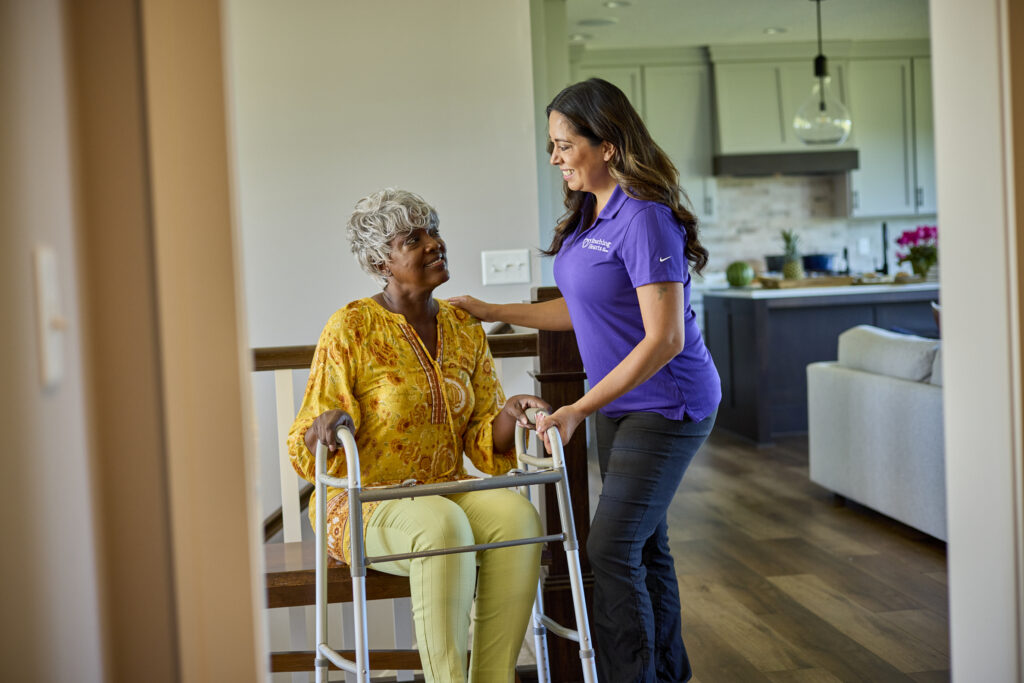
Memory changes can increase the risk of falls, wandering, or household accidents. A trained caregiver provides supervision and support with daily tasks, helping reduce these risks while allowing your loved one to remain active.
This is especially important during Northern Colorado winters, when icy conditions and shorter daylight hours can add extra challenges.
A Second Set of Observant Eyes
Caregivers are trained to notice subtle changes—like increased confusion, changes in appetite, or shifts in mood—that families may not immediately recognize. Catching these changes early can prevent emergencies and reduce stress for everyone involved.
Emotional Support and Connection in Dementia Care
Dementia affects emotions just as much as memory.
Compassionate Communication
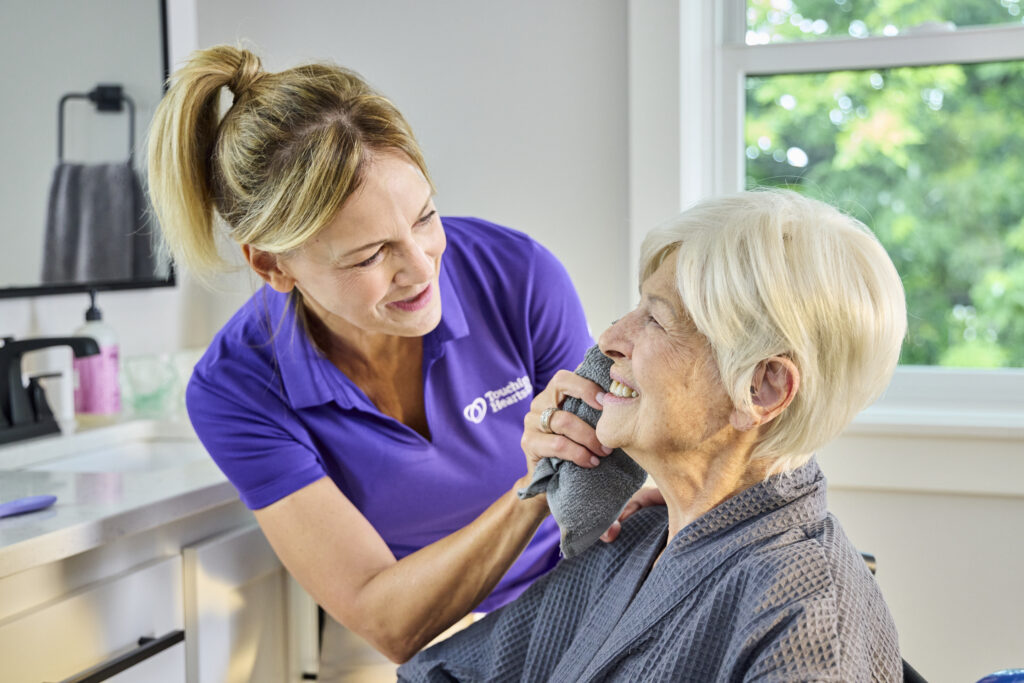
As communication becomes more difficult, patience and empathy matter more than ever. Caregivers use calm, reassuring approaches that help your loved one feel heard and respected, even when words are hard to find.
Reducing Isolation
Many individuals with dementia become more isolated as the condition progresses. In-home care provides regular companionship, conversation, and emotional reassurance—helping your loved one feel less alone and more connected to daily life.
How Dementia Care Supports Family Caregivers
Family caregivers often give everything they have—and then some. Over time, this can lead to exhaustion, burnout, and feelings of guilt.
Relief Without Losing Control
In-home dementia care doesn’t replace family involvement; it supports it. Caregivers handle daily tasks and supervision, giving spouses and adult children time to rest, work, or simply enjoy their relationship with their loved one again.
Peace of Mind for Adult Children
For families who don’t live nearby, knowing someone is consistently present in the home brings reassurance. Regular communication and dependable support help families feel confident that their loved one is safe and cared for.
Flexibility as Dementia Progresses
One of the greatest benefits of dementia care at home is flexibility.
Services can begin with just a few hours a week and expand gradually as needs increase. This allows families to plan ahead and adjust without sudden, overwhelming changes.
For many Greeley families, this gradual approach makes dementia care feel more manageable and less frightening.
Why Greeley Families Choose In-Home Dementia Care
Greeley families value community, familiarity, and staying close to home. In-home dementia care aligns with those values by offering personalized support without requiring a move away from loved surroundings.
Being near local resources and familiar routes to UCHealth Greeley Hospital also helps families feel more secure as care needs grow.
Frequently Asked Questions
Can dementia care really work at home?
Yes. For many individuals, home is the most supportive environment. Familiar routines and surroundings often reduce confusion and anxiety.
How early should families consider dementia care?
Support can begin even in the early stages. Starting early helps establish routines and prevents caregiver burnout.
Will my loved one resist having a caregiver?
It’s common to feel hesitant at first. With patience and consistent care, many individuals grow comfortable and even look forward to the companionship.
How does dementia care help with safety concerns?
Caregivers provide supervision, assist with daily tasks, and notice changes early—helping reduce risks like falls or wandering.
Can family members stay involved?
Absolutely. In-home care works best when families and caregivers collaborate and communicate regularly.
If you’re feeling unsure about your parent’s needs, Touching Hearts offers a free, no-pressure in-home consultation in Greeley. We’re here to support your family every step of the way.