
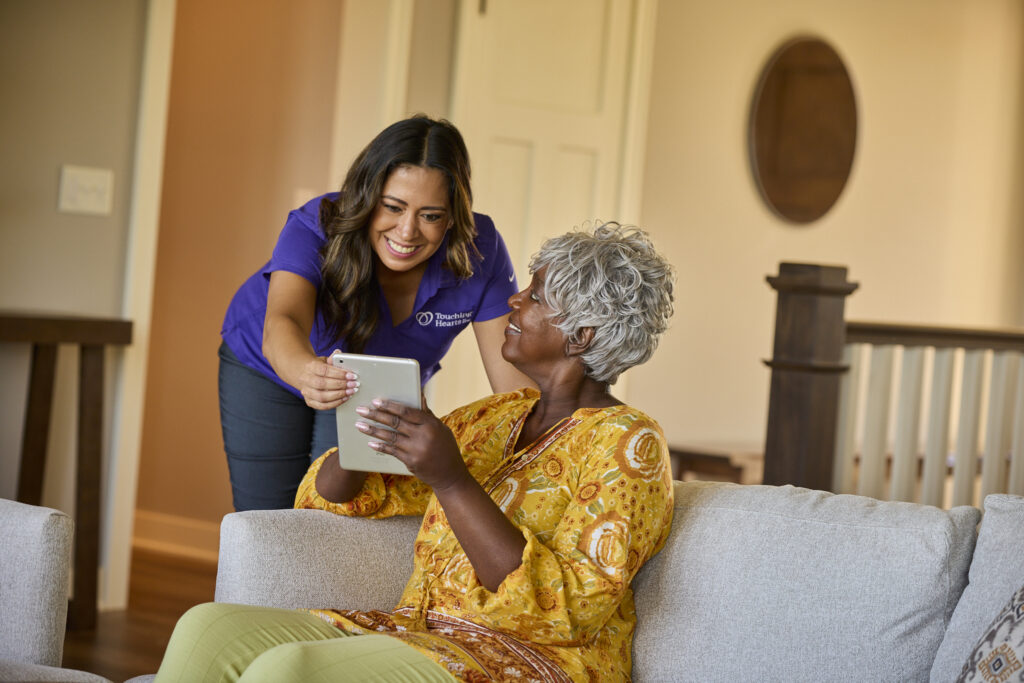
Dementia Care at Home: What Colorado Families Need to Know in Fort Collins
When a parent begins to struggle with memory loss or confusion, families often find themselves navigating unfamiliar and emotional territory. You may notice small changes at first—missed appointments, repeated questions, or moments of frustration that feel out of character. Over time, these moments can grow into bigger concerns about safety, independence, and quality of life.
For families in Fort Collins, dementia care is often about balancing independence with support. Many adult children want to help their parent remain in the home they love, surrounded by familiar routines, neighbors, and memories—while still ensuring they’re safe and well cared for.
This guide explains what dementia care at home looks like in Colorado, how in-home support helps seniors in Fort Collins, and what families should know as they plan compassionate, thoughtful care for a loved one.
Understanding Dementia and Its Impact on Daily Life
Dementia is a broad term that describes changes in memory, thinking, and behavior that interfere with daily activities. Alzheimer’s disease is the most common form, but other types—such as vascular dementia or Lewy body dementia—can affect individuals differently.
Families often notice early signs such as:
-
Forgetting recent conversations or events
-
Difficulty managing household tasks or finances
-
Confusion with time, dates, or familiar places
-
Mood changes, anxiety, or withdrawal
In an active community like Fort Collins, these changes can feel especially isolating for seniors who once enjoyed independence, outdoor activities, or social connections. Early support can help maintain confidence and reduce stress for everyone involved.
Why Dementia Care at Home Is a Preferred Option
For many seniors, remaining at home provides a sense of comfort and stability that’s hard to replace. Dementia can make new environments overwhelming, which is why in-home care is often a gentler, more supportive choice.
Familiar Routines and Surroundings
Being at home means familiar furniture, photos, and daily rhythms. This familiarity can help reduce confusion, agitation, and fear—especially as memory loss progresses.
Personalized, One-on-One Attention
In-home dementia care focuses entirely on one person. Caregivers adapt their approach to your parent’s preferences, habits, and personality, offering reassurance rather than rushing or correcting.
Flexible Care That Evolves Over Time
Dementia care at home can start with just a few hours a week and expand gradually. This allows Fort Collins families to plan ahead without making sudden, overwhelming changes.
What Dementia Care at Home Typically Includes
Non-medical dementia care supports daily living, emotional well-being, and safety—without being clinical or intimidating.
Support With Daily Activities
Caregivers help seniors maintain structure and routine, including:
-
Assistance with bathing, dressing, and grooming
-
Meal preparation and hydration reminders
-
Gentle guidance through familiar daily tasks
Safety Monitoring and Supervision
As dementia progresses, safety becomes a growing concern. In-home caregivers can:
-
Help prevent falls and wandering
-
Offer calm redirection during confusion
-
Monitor changes in behavior or routine
This support is especially important during Northern Colorado winters, when icy sidewalks, snow-covered driveways, and early sunsets increase risks at home.
Companionship and Emotional Reassurance
Dementia often brings loneliness and frustration. Caregivers provide companionship, conversation, and emotional support that help seniors feel respected and understood.
Relief for Family Caregivers
Caring for someone with dementia can be exhausting. In-home care gives spouses and adult children time to rest, work, and care for themselves—knowing their loved one is in capable hands.
Signs It May Be Time for Dementia Care at Home
Families often wonder when to ask for help. You may want to consider in-home dementia care if you’re noticing:
-
Missed meals or spoiled food in the refrigerator
-
Declining personal hygiene or laundry piling up
-
Increased confusion in the evening (often called sundowning)
-
Difficulty managing medications or appointments
-
Growing stress or burnout for family caregivers
Starting care early can help prevent emergencies and make support feel like a natural extension of daily life.
Supporting Aging in Place in Fort Collins
Fort Collins offers a strong sense of community, access to healthcare, and a lifestyle many seniors want to preserve. Dementia care at home supports aging in place by:
-
Allowing seniors to remain in familiar neighborhoods
-
Reducing unnecessary hospital visits
-
Supporting emotional well-being and routine
-
Helping couples remain together at home
Care can also coordinate with local providers and hospitals such as UCHealth Poudre Valley Hospital, helping families stay connected to medical care without disrupting daily life.
Planning Ahead for Dementia Care
Dementia is progressive, which makes thoughtful planning especially important.
Begin the Conversation Early
Talking about support before safety becomes a concern helps seniors feel involved and respected, rather than fearful of losing independence.
Adjust Care Gradually
Starting with light assistance allows your parent to build trust with a caregiver. As needs change, care can increase naturally.
Focus on Dignity and Quality of Life
Dementia care is about more than managing symptoms—it’s about preserving dignity, comfort, and meaningful moments each day.
Frequently Asked Questions
Can dementia care at home work in later stages?
Yes. Many families successfully support loved ones at home in later stages with increased caregiver hours and structured routines focused on comfort and safety.
Is dementia care at home medical care?
No. In-home dementia care is non-medical and complements medical treatment by supporting daily living, safety, and emotional well-being.
How many hours of care are usually needed?
It varies widely. Some families start with a few hours a week, while others need daily or extended care as dementia progresses.
What if my parent resists help?
Resistance is common. Experienced caregivers are trained to build trust gradually and support independence rather than take it away.
When is the best time to start dementia care?
Earlier support often leads to better outcomes for both seniors and families. Starting early allows care to feel supportive rather than reactive.
If you’re feeling unsure about your parent’s needs, Touching Hearts offers a free, no-pressure in-home consultation in Fort Collins. We’re here to support your family every step of the way.