Fall Prevention: 9 Home Safety Improvements for Seniors in Loveland
As parents age, even small changes in balance, vision, or strength can increase the risk of a fall. For many families in Loveland, this concern often starts quietly—maybe it’s a missed step, a stumble on the stairs, or hesitation walking outside after a snowy morning.
If you’ve begun noticing these changes, you’re not alone. Falls are one of the most common reasons seniors lose independence, but the good news is that many falls are preventable with simple, thoughtful adjustments at home.
In this guide, we’ll walk through practical fall prevention tips tailored for homes in Loveland and across the Fort Collins region, helping your loved one stay safe, confident, and independent.
Why Fall Prevention Matters More Than You Think
A fall isn’t just a moment—it can change everything. Even a minor fall can lead to:
- Injuries that take longer to heal
- Reduced confidence and fear of walking
- Increased dependence on others
In Colorado communities like Loveland, where weather conditions can shift quickly, fall risks can increase during colder months. Ice, snow, and bulky winter footwear all add extra challenges.
Taking proactive steps now can help your loved one remain safely at home longer.
9 Practical Ways to Prevent Falls at Home
Creating a safer home doesn’t require a full renovation. Small, intentional changes can make a big difference.
1. Improve Lighting Throughout the Home
Good lighting is one of the simplest and most effective ways to prevent falls.
Focus on:
- Brightening hallways and staircases
- Adding nightlights in bedrooms and bathrooms
- Ensuring light switches are easy to access
In Loveland homes, where winter days are shorter, proper lighting becomes even more important in the late afternoon and evening.
2. Remove Tripping Hazards
Clutter and loose items are common causes of falls.
Look for:
- Area rugs that slide or bunch up
- Electrical cords across walkways
- Shoes or items left on the floor
Creating clear, open pathways allows for safer movement throughout the home.
3. Install Grab Bars and Handrails
Support in key areas can significantly reduce fall risk.
Consider adding:
- Grab bars in bathrooms near toilets and showers
- Secure handrails on both sides of staircases
- Support bars near entryways
These features provide stability during everyday movements.
4. Make the Bathroom Safer
Bathrooms are one of the highest-risk areas for falls.
Helpful improvements include:
- Non-slip mats inside and outside the shower
- A shower chair for added stability
- A handheld showerhead for easier use
Warm, steamy conditions can make surfaces slippery, so extra precautions go a long way.
5. Encourage Proper Footwear
What your loved one wears at home matters.
Safer options include:
- Non-slip shoes or slippers
- Supportive footwear with good traction
- Avoiding socks on smooth floors
In Colorado, switching shoes when coming inside—especially after snow or ice—can help prevent slipping indoors.
6. Keep Frequently Used Items Within Reach
Reaching or climbing can quickly lead to a fall.
Make daily life easier by:
- Storing commonly used items at waist or shoulder height
- Avoiding step stools when possible
- Organizing kitchen and bathroom spaces for easy access
This reduces the need for risky movements.
7. Address Mobility Changes Early
If you notice your parent moving more slowly or cautiously, it may be time to add support.
This could include:
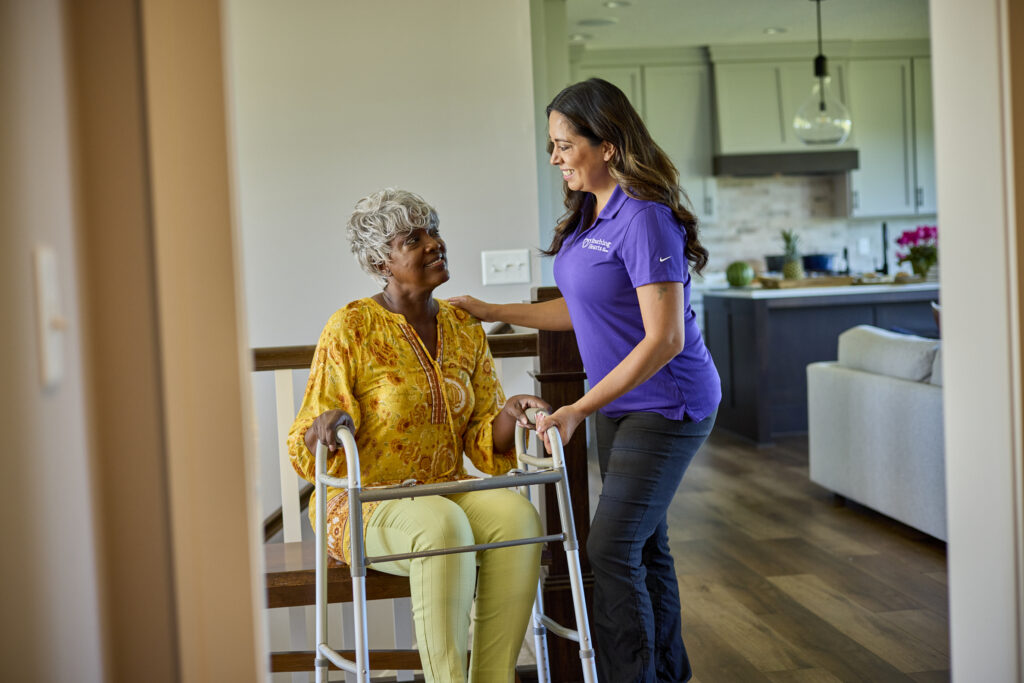
- A cane or walker
- Rearranging furniture for easier navigation
- Extra supervision during certain activities
Care providers at Banner McKee Medical Center can also help assess mobility concerns if needed.
8. Prepare for Colorado Weather Conditions
Loveland’s seasons bring unique challenges.
During colder months (icy winters):
- Clear snow and ice from walkways promptly
- Use salt or sand for traction
- Ensure proper outdoor lighting
Even short walks to the mailbox can become hazardous without preparation.
9. Consider In-Home Support
Sometimes, the safest step is having an extra set of hands.
A caregiver can help with:
- Walking and transfers
- Household tasks that pose fall risks
- Monitoring changes in mobility
This added support can make daily life safer while preserving independence.
How Home Care Helps Reduce Fall Risks
Fall prevention isn’t just about the home—it’s also about consistent support and awareness.
Extra Eyes and Awareness
Caregivers are trained to notice subtle changes, like:
- Unsteady walking
- Difficulty standing up
- Increased fatigue
These early signs allow families to take action before a fall happens.
Assistance with Daily Activities
Tasks like bathing, dressing, or moving around the home can become more challenging over time.
Caregivers provide steady, respectful assistance that reduces risk without taking away independence.
Creating a Safer Routine
Consistency matters. Caregivers help establish routines that:
- Minimize rushing
- Encourage safe movement habits
- Reduce confusion or disorientation
This structure helps seniors feel more confident in their daily lives.
When to Take Action
It’s easy to wait for a “serious” fall before making changes—but early prevention is key.
Signs Your Parent May Be at Risk
Watch for:
- Holding onto furniture while walking
- Avoiding stairs or certain rooms
- Bruises or minor falls they don’t mention right away
- Hesitation or fear of moving around
If you’re noticing any of these signs, it’s a good time to make adjustments.
Supporting Independence with Safety
The goal of fall prevention isn’t to limit your loved one—it’s to empower them.
With the right environment and support, seniors in Loveland can:
- Move confidently through their home
- Maintain their daily routines
- Continue living independently
Small changes today can prevent bigger challenges tomorrow.
Frequently Asked Questions
What is the most common cause of falls at home?
Falls are often caused by a combination of factors, including poor lighting, clutter, slippery surfaces, and changes in balance or strength.
Do I need to remodel my home to prevent falls?
No, many effective fall prevention strategies are simple and affordable, such as improving lighting, removing hazards, and adding grab bars.
How can I tell if my parent is at risk of falling?
Look for signs like unsteady walking, holding onto furniture, or avoiding certain movements. Even small changes can indicate increased risk.
Can caregivers help prevent falls?
Yes, caregivers provide supervision, assistance with movement, and help maintain a safe environment, all of which reduce fall risk.
Is fall prevention still important if my parent is mostly at home?
Absolutely. Many falls happen inside the home, especially in areas like bathrooms, bedrooms, and living spaces.
If you’re feeling unsure about your parent’s needs, Touching Hearts offers a free, no-pressure in-home consultation in Loveland. We’re here to support your family every step of the way.