
Family Caregiver Burnout: 7 Warning Signs Loveland Families Shouldn’t Ignore
Caring for an aging parent often begins quietly. You help with errands, check in more often, maybe manage appointments or medications. Over time, those small responsibilities can grow into a full-time role—one that many families in Loveland take on out of love, duty, and devotion.
What’s harder to recognize is how caregiving slowly affects the caregiver. Many adult children tell themselves they’re “just tired” or that things will calm down soon. But caregiver burnout can build gradually, impacting physical health, emotional well-being, and family relationships before anyone realizes how overwhelmed things have become.
In this article, we’ll explore what family caregiver burnout looks like, the most common warning signs, and how Loveland families can find support before exhaustion turns into a crisis.
What Is Family Caregiver Burnout?
Family caregiver burnout is a state of emotional, physical, and mental exhaustion caused by ongoing caregiving responsibilities without enough rest or support.
Why Burnout Is So Common for Adult Children
Many caregivers are balancing multiple roles at once. In addition to caring for a parent, you may be:
-
Working full-time
-
Raising children or supporting grandchildren
-
Managing household responsibilities
-
Coordinating medical appointments or care needs
In Northern Colorado, added factors like winter weather, driving between communities, and limited daylight during colder months can increase stress and fatigue even further.
Burnout doesn’t mean you’re failing. It means you’ve been doing too much for too long without adequate support.
7 Warning Signs of Family Caregiver Burnout
Burnout often shows up in subtle ways at first. Recognizing the signs early can help you protect both your well-being and your parent’s care.
1. Constant Exhaustion That Doesn’t Improve With Rest
Feeling tired after a long day is normal. Feeling drained all the time—even after sleeping—is not. Chronic fatigue is one of the most common signs of caregiver burnout.
You may feel like you’re always “on,” unable to truly relax because you’re constantly anticipating your parent’s needs.
2. Increased Irritability or Emotional Sensitivity
If you notice yourself feeling short-tempered, tearful, or easily overwhelmed, burnout may be playing a role. Emotional exhaustion can lower patience and make small frustrations feel unmanageable.
Many caregivers in Loveland feel guilt about these emotions, but they’re a signal—not a character flaw.
3. Neglecting Your Own Health and Appointments
Caregivers often put their own needs last. Skipping doctor visits, ignoring symptoms, or delaying rest can become routine when your parent’s needs feel more urgent.
Over time, this self-neglect can lead to declining health and increased stress.
4. Feeling Isolated or Disconnected
Caregiving can quietly shrink your world. Social plans may fall away, hobbies disappear, and friendships become harder to maintain.
During colder months in the Fort Collins region, when travel is more difficult and days are shorter, isolation can feel even heavier.
5. Trouble Sleeping or Constant Worry
Burnout often affects sleep. You might struggle to fall asleep, wake frequently, or lie awake worrying about what could happen if you’re not there.
This constant mental load can make it difficult to recharge, even when you technically have time to rest.
6. Loss of Joy or Motivation
Activities that once brought happiness may start to feel like chores. You may feel numb, disconnected, or indifferent—signs that emotional reserves are running low.
This loss of joy is one of the most overlooked symptoms of caregiver burnout.
7. Resentment or Guilt About Caregiving
Feeling resentful doesn’t mean you love your parent any less. It means the caregiving role has become overwhelming.
Many caregivers experience a painful cycle of resentmentHolt: resentment followed by guilt, which then leads them to push themselves even harder.
How Burnout Impacts the Person Receiving Care
Caregiver burnout doesn’t only affect the caregiver—it can also impact the quality of care a parent receives.
When burnout sets in, caregivers may:
-
Have less patience and emotional availability
-
Miss important details or changes in condition
-
Feel overwhelmed by decision-making
Getting support helps protect both you and your parent.
Why Loveland Families Are Especially Vulnerable
Loveland families often pride themselves on independence and taking care of their own. While this strength is admirable, it can also make it harder to ask for help.
Additional challenges may include:
-
Long drives to appointments at UCHealth Medical Center of the Rockies
-
Balancing work commutes across Northern Colorado
-
Managing caregiving during snow, ice, and unpredictable weather
These factors can quietly increase stress levels over time.
How In-Home Support Helps Prevent Burnout
One of the most effective ways to address caregiver burnout is to share the responsibility.
What Support Can Look Like
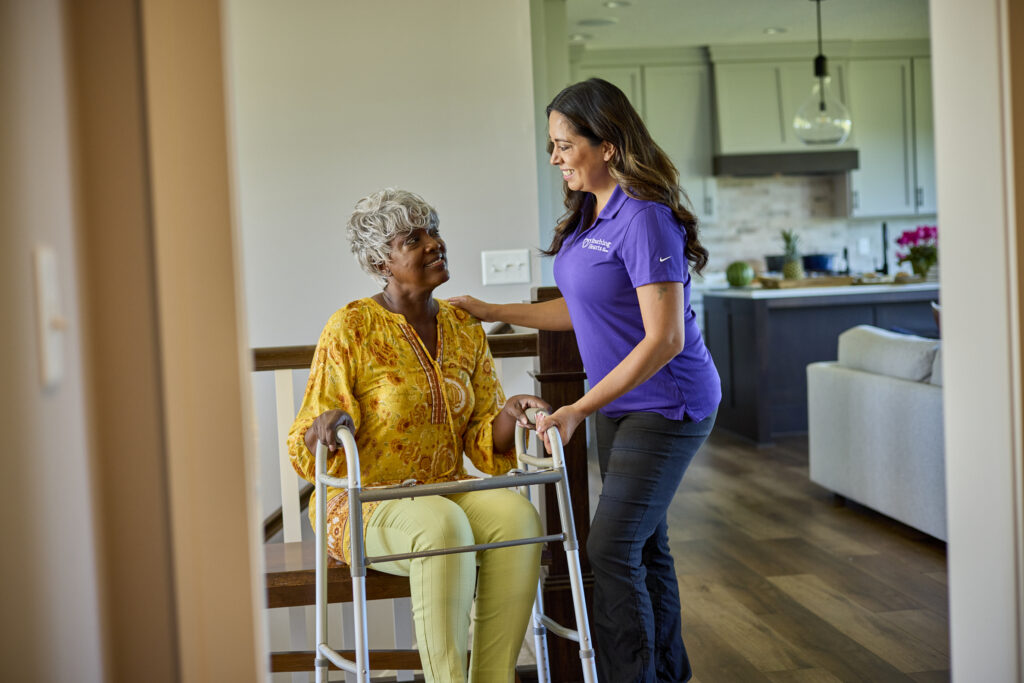
In-home care doesn’t replace family—it supports it. Professional caregivers can help with:
-
Meal preparation and light housekeeping
-
Companionship and supervision
-
Safety and mobility assistance
This allows family caregivers to rest, focus on their own health, and spend more quality time with their parent—without constant exhaustion.
Emotional Relief Matters Too
Knowing your parent is safe and supported provides peace of mind. Even a few hours of help each week can make a meaningful difference in stress levels and emotional balance.
Taking the First Step Toward Balance
Recognizing caregiver burnout is not a sign of weakness—it’s a sign of awareness. Caring for a parent is a marathon, not a sprint, and no one is meant to do it alone.
Support allows you to show up with more patience, compassion, and energy—for your parent and yourself.
Frequently Asked Questions
Families often have questions when they start noticing signs of caregiver burnout.
Is caregiver burnout common?
Yes. Caregiver burnout is very common among adult children, especially those balancing work, family, and caregiving responsibilities.
Does feeling burned out mean I should stop caregiving?
Not at all. It usually means you need more support, not less involvement.
Can burnout happen even if my parent’s needs are “mild”?
Yes. Burnout can occur regardless of the level of care needed, especially when caregiving is ongoing and emotionally demanding.
How quickly can burnout improve with support?
Many caregivers notice emotional relief soon after support begins, especially once they’re able to rest and regain balance.
Is it okay to feel guilty about needing help?
Guilt is common, but accepting help is one of the healthiest choices you can make for your family.
You Don’t Have to Do This Alone
If you’re caring for a parent in Loveland and some of these warning signs feel familiar, it may be time to pause and reassess the support you have in place. Caregiving should not come at the cost of your own health or happiness.
If you’re feeling unsure about your parent’s needs, Touching Hearts offers a free, no-pressure in-home consultation in Loveland. We’re here to support your family every step of the way.