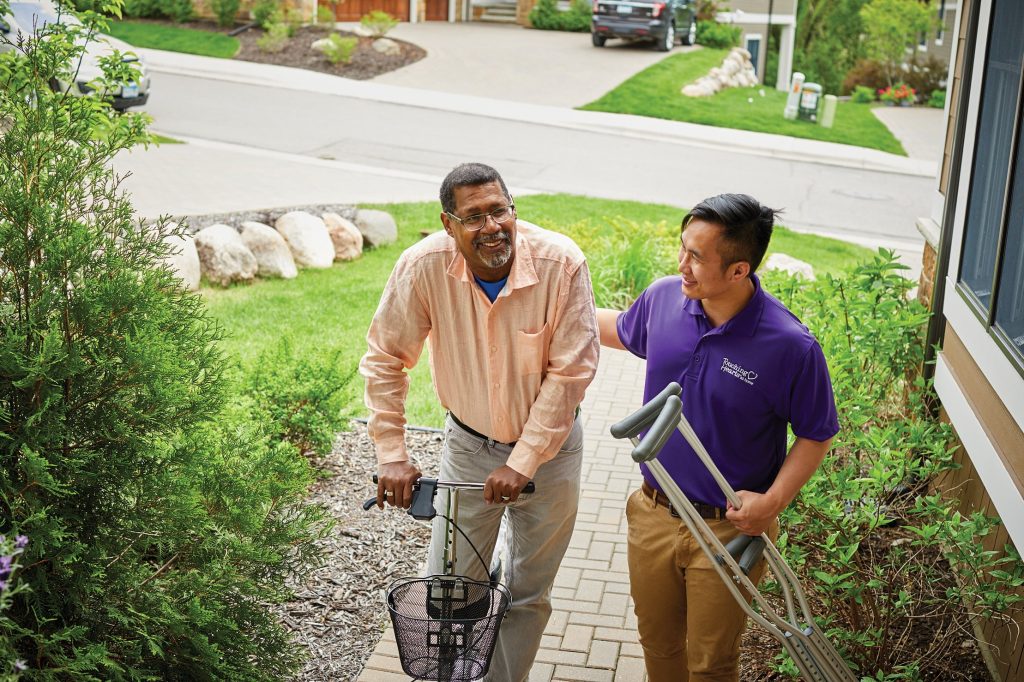
Home Care vs Assisted Living in Colorado: What Families in Loveland Need to Consider
When an aging parent begins to need more support, families are often faced with one of the most emotional decisions they’ll ever make: Is it time to move Mom or Dad into assisted living, or can they continue living safely at home with help? There’s no single right answer—and for families in Loveland, the choice often comes with mixed feelings of concern, guilt, and uncertainty.
Colorado offers many care options, but understanding the real differences between home care and assisted living is essential before making a decision that affects your parent’s comfort, independence, and quality of life. What works for one family may not be right for another.
This article walks through the pros and cons of home care versus assisted living, with a focus on what families in Loveland and Northern Colorado should consider when deciding what path makes the most sense right now.
Understanding the Two Main Care Options
Before comparing the two, it helps to clearly understand what each option provides.
What Is In-Home Care?
In-home care allows seniors to remain in their own homes while receiving support with daily activities. Care is provided by trained caregivers who come to the home on a schedule that fits the senior’s needs.
In-home care focuses on:
-
Personal care like bathing, dressing, and grooming
-
Meal preparation and hydration reminders
-
Light housekeeping and laundry
-
Medication reminders
-
Transportation and errands
-
Companionship and emotional support
Care schedules are flexible and can range from a few hours a week to full-day or overnight support.
What Is Assisted Living?
Assisted living communities provide housing, meals, and support services in a residential setting. Seniors live in private or semi-private apartments and receive help as needed from on-site staff.
Assisted living typically includes:
-
Prepared meals and dining services
-
Help with daily activities
-
Medication management
-
Housekeeping
-
Social activities and group programs
-
Staff available around the clock
For some seniors, assisted living offers structure and social engagement that can be helpful, especially when living alone becomes difficult.
Key Differences Between Home Care and Assisted Living
While both options provide support, they differ significantly in lifestyle, cost structure, and level of independence.
Living Environment
With home care, seniors stay in familiar surroundings—near neighbors, routines, and memories built over decades. For many Loveland seniors, staying close to familiar parks, local shops, and community events brings comfort and emotional stability.
Assisted living requires relocating to a new environment. While many communities are welcoming and well-designed, the transition can be emotionally challenging, especially for seniors who value privacy and routine.
Level of Independence
Home care is designed to support independence, not replace it. Caregivers assist where needed while encouraging seniors to continue doing what they safely can on their own.
Assisted living provides more structure and oversight. While this can be helpful for some, others may feel a loss of autonomy due to scheduled meals, group routines, or shared spaces.
Cost Considerations for Colorado Families
Cost is often a deciding factor—and it’s not always as straightforward as it seems.
How Home Care Costs Work
Home care is typically billed hourly, meaning families only pay for the care they need. This can make it a more flexible and cost-effective option, especially if support is needed for only part of the day.
For families in Loveland, this flexibility allows care to scale up or down as needs change without a major lifestyle shift.
How Assisted Living Costs Work
Assisted living is usually a flat monthly fee that covers housing, meals, and services. While predictable, this cost continues regardless of how much assistance is actually needed.
Additional services may increase monthly fees, and costs can rise as care needs grow.
Social Interaction and Companionship
Companionship With Home Care
One common concern families have about home care is isolation. In reality, caregivers often provide meaningful one-on-one companionship—conversation, shared meals, walks, and help staying engaged in hobbies.
Caregivers can also help seniors stay connected to the Loveland community through outings, appointments, or visits with friends.
Social Life in Assisted Living
Assisted living communities often offer structured social activities, which can be beneficial for seniors who enjoy group settings. However, not every resident participates, and some seniors find group activities overwhelming or impersonal.
Safety and Daily Support
Safety at Home With Caregivers
Trained caregivers help identify and reduce safety risks at home, including:
-
Fall prevention and mobility support
-
Safe bathing and transfers
-
Monitoring daily routines
-
Seasonal concerns like snow, ice, and cold weather
Today in Loveland, skies are partly cloudy with temperatures mild in the upper 60s and light winds—comfortable weather for short walks or errands but still a reminder that winter conditions can shift quickly in Colorado, bringing icy patches or cold snaps that challenge daily mobility and safety. WeatherBug
Safety in Assisted Living Communities
Assisted living offers on-site staff and emergency response systems, which can be reassuring for families. However, staff are responsible for multiple residents, which may limit one-on-one attention.
Emotional Impact on Seniors and Families
Aging in Place With Home Care
Many seniors strongly prefer to remain at home. Familiar surroundings can reduce anxiety, support memory, and preserve dignity. Home care allows couples to stay together and routines to remain largely unchanged.
For families, this often brings peace of mind knowing their parent is comfortable and supported without being uprooted.
Transitioning to Assisted Living
Moving to assisted living can be positive for some seniors, but it often comes with an adjustment period. Downsizing, leaving a longtime home, and adapting to communal living can be emotionally difficult.
Families should consider how their parent handles change and whether a move might create unnecessary stress.
Which Option Is Right for Your Parent?
There’s no universal answer, but asking the right questions can help guide the decision:
-
Is my parent safe living at home right now?
-
Do they need help occasionally or throughout the day?
-
How important is staying in their own home to them?
-
Are memory or behavioral changes a concern?
-
What level of social interaction do they truly enjoy?
-
How flexible does our care plan need to be?
For many families in Loveland, home care offers a supportive middle ground—providing help without forcing a major life transition.
When Home Care Is Often the Best Fit
Home care is often ideal when:
-
A senior is medically stable but needs daily support
-
Independence and privacy are priorities
-
Care needs vary from day to day
-
A spouse still lives at home
-
Family wants to stay closely involved
It can also serve as a long-term solution or a step that delays or prevents the need for assisted living altogether.
Frequently Asked Questions
Below are common questions families ask when comparing care options.
Is home care only for seniors with minimal needs?
No. Home care can be adjusted as needs change and may include extensive daily support depending on the situation.
Does assisted living provide medical care?
Assisted living is considered non-medical. While staff assist with medications and daily activities, it does not replace medical home health services.
Can home care help after a hospital stay?
Yes. Home care often supports seniors returning home after discharge from the hospital, helping with routines, safety, and recovery.
What if my parent’s needs increase over time?
Home care is flexible and can increase hours or services without requiring a move, which many families appreciate.
How do families usually decide between the two?
Most families weigh safety, independence, cost, emotional well-being, and their parent’s preferences when making the decision.
If you’re feeling unsure about your parent’s needs, Touching Hearts offers a free, no-pressure in-home consultation in Loveland. We’re here to support your family every step of the way.