
Home Care vs Assisted Living: What’s Right for Seniors in Johnstown, Colorado?
When an aging parent begins to need extra support, families in Johnstown often face a difficult and emotional decision: Is it better to bring care into the home, or is it time to consider assisted living? Both options can provide safety and support, but they offer very different experiences—for seniors and for their families.
It’s normal to feel unsure. Many adult children worry about making the “wrong” choice or moving too quickly toward a big transition. Others fear waiting too long and risking their parent’s safety. The truth is that the right answer depends on your parent’s needs, preferences, and goals.
This article walks through the key differences between home care and assisted living, helping Johnstown families make an informed, confident decision.
Understanding the Two Options
Before comparing the two, it helps to clearly understand what each option provides.
What Is Home Care?
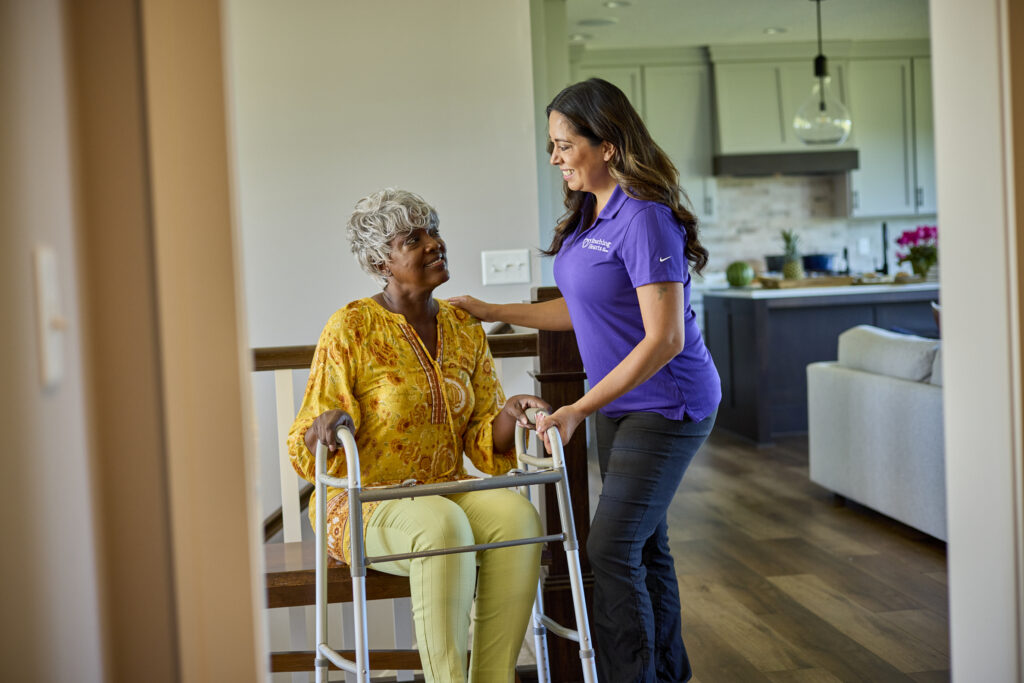
Home care provides non-medical support in your parent’s own home. A caregiver visits based on a customized schedule and assists with daily activities while allowing seniors to remain in familiar surroundings.
Home care focuses on:
-
Independence
-
Comfort
-
One-on-one support
-
Flexibility
What Is Assisted Living?
Assisted living is a residential community where seniors live in private or semi-private apartments and receive care services as part of a monthly package.
Assisted living typically includes:
-
Housing and utilities
-
Meals
-
Group activities
-
On-site staff
-
Scheduled assistance
This option requires leaving the home and adapting to a new environment.
Key Differences Between Home Care and Assisted Living
Living Environment
Home Care
-
Seniors remain in their own home
-
Familiar routines and surroundings stay intact
-
Pets, neighbors, and personal schedules remain unchanged
Assisted Living
-
Requires relocating to a community setting
-
Shared dining and activity schedules
-
Less privacy and personal control
For many seniors in Johnstown, staying at home offers emotional comfort and stability that’s hard to replace.
Level of Personalization
One-on-One vs Group-Based Care
Home care is highly individualized. Caregivers focus on one client at a time, adapting support to daily needs and preferences.
Assisted living care is shared among many residents, which means:
-
Staff rotate between residents
-
Care follows facility schedules
-
Personalization may be limited
Families who value customized support often lean toward home care.
Flexibility as Needs Change
Adapting Over Time
Home care is designed to grow with your parent.
-
Start with a few hours a week
-
Increase care gradually
-
Adjust schedules or tasks easily
Assisted living is less flexible. Changes in care often result in:
-
Higher monthly fees
-
Transitions to higher-level units
-
Possible future moves
This flexibility makes home care appealing for families who want to plan ahead without committing to a major transition too soon.
Cost Considerations for Johnstown Families
Cost plays a major role in decision-making.
Home Care Costs
Home care is typically billed hourly, meaning:
-
You only pay for the care you use
-
Part-time care is often more affordable
-
Costs can be controlled and adjusted
For seniors who don’t need 24/7 supervision, home care can be a cost-effective solution.
Assisted Living Costs
Assisted living usually comes with:
-
A fixed monthly fee
-
Costs for housing, meals, and services
-
Additional charges as care needs increase
While assisted living may make sense for seniors needing constant oversight, it can be more expensive than part-time or moderate home care.
Impact on Independence and Dignity
Preserving Control and Choice
Home care allows seniors to:
-
Wake up and go to bed on their own schedule
-
Choose their meals and activities
-
Maintain privacy and autonomy
Assisted living requires adapting to community rules and routines, which some seniors find difficult.
For parents who strongly value independence, home care often feels more respectful and empowering.
Social Interaction and Companionship
Different Types of Connection
Assisted living offers built-in group activities and social opportunities, which can be helpful for very social seniors.
Home care provides:
-
One-on-one companionship
-
Meaningful conversation
-
Encouragement to stay connected to friends, family, and the Johnstown community
Social needs vary greatly, so it’s important to consider what type of interaction your parent truly enjoys.
Safety and Supervision
Addressing Fall Risk and Daily Safety
Home care supports safety by:
-
Assisting with mobility
-
Reducing fall risks
-
Offering support during winter, when snow and ice can be dangerous
Assisted living provides 24-hour staff availability, which may be necessary for seniors with advanced needs.
For many families, home care offers the right balance of safety and independence.
Recovery After Illness or Hospitalization
After a stay at the hospital, seniors often need temporary help at home.
Home care is ideal for:
-
Short-term recovery
-
Regaining strength
-
Preventing readmission
Assisted living usually requires a permanent move, even when needs are temporary.
Emotional Impact on Seniors and Families
Managing Stress and Transitions
Moving to assisted living can be emotionally overwhelming, especially if it happens quickly.
Home care:
-
Reduces disruption
-
Allows seniors to adjust gradually
-
Helps families avoid rushed decisions
Many families find that starting with home care provides clarity and peace of mind.
When Assisted Living May Be the Better Fit
Assisted living may be appropriate if:
-
A senior needs constant supervision
-
Safety risks are severe
-
Social isolation is extreme and unwanted
-
Home care alone can no longer meet needs
These situations are real—but they don’t apply to every family.
Why Home Care Often Works Well in Johnstown
Johnstown’s close-knit community, quieter neighborhoods, and growing senior population make aging in place especially appealing. Many seniors want to remain near family, familiar routes, and daily routines.
Home care allows older adults to stay connected to the life they’ve built—while still receiving the help they need.
Making the Decision With Confidence
There’s no one-size-fits-all answer. The right choice balances:
-
Safety
-
Independence
-
Emotional well-being
-
Financial comfort
Having an open conversation with your parent and exploring options early makes the process far less stressful.
Frequently Asked Questions
Below are common questions Johnstown families ask when comparing care options.
Is home care only for seniors with minor needs?
No. Home care can support a wide range of needs and adapt as situations change.
Can home care delay assisted living?
Yes. Many families use home care to safely delay or avoid assisted living altogether.
What if my parent lives alone?
Home care is especially helpful for seniors living alone who need support but want to stay home.
Is assisted living safer than home care?
Safety depends on individual needs. Home care can be very safe when properly planned.
Can we try home care first?
Yes. Many families start with home care before considering assisted living.
If you’re feeling unsure about your parent’s needs, Touching Hearts offers a free, no-pressure in-home consultation in Johnstown. We’re here to support your family every step of the way.