How Home Care Helps Couples Age in Place in Fort Collins
For many older couples in Fort Collins, the goal is simple and deeply personal: to stay together, in their own home, for as long as possible. After decades of shared routines, memories, and independence, the idea of leaving home—or being separated due to differing care needs—can feel overwhelming.
Adult children often notice subtle changes first. One parent may be slowing down, while the other quietly takes on more responsibility. Over time, this imbalance can create physical strain, emotional stress, and safety concerns for both partners.
In this article, we’ll explore how home care helps couples age in place in Fort Collins, allowing them to remain together, supported, and safe—while preserving dignity, independence, and peace of mind for the whole family.
Why Aging in Place Matters So Much for Couples
Aging in place isn’t just about staying in a house. For couples, it’s about continuity, connection, and shared identity.
Home as a Source of Stability and Comfort
Home represents familiarity. It’s where couples know the layout, the neighborhood, and the rhythm of daily life. In Fort Collins, many seniors feel deeply connected to their community, routines, and the lifestyle they’ve built over time.
Remaining at home can help couples:
-
Feel grounded and secure
-
Maintain established routines
-
Stay connected to neighbors and community
-
Avoid the stress of major transitions
This sense of stability becomes even more important as physical or cognitive changes occur.
The Emotional Impact of Staying Together
When one partner begins to need more help, families may worry about separation—especially if care needs differ. Home care can reduce the likelihood that one spouse must move elsewhere, helping couples continue sharing daily life side by side.
Staying together supports emotional well-being and often leads to better overall quality of life.
When One Partner Needs More Support Than the Other
It’s very common for couples to age at different paces.
The Hidden Strain on the Healthier Spouse
Often, the more independent partner quietly becomes the primary caregiver. They may help with:
-
Mobility and transfers
-
Meal preparation
-
Household management
-
Medication reminders
While done out of love, this role reversal can lead to exhaustion, stress, and even injury—especially during Northern Colorado winters when snow, ice, and cold weather increase physical demands.
How Home Care Restores Balance
Home care helps rebalance responsibilities. Instead of one spouse carrying everything alone, a caregiver provides support where it’s needed most, allowing both partners to focus on being spouses rather than patient and caregiver.
This shared support often strengthens relationships rather than straining them.
How Home Care Supports Daily Life for Couples
Home care is flexible and designed to adapt to each couple’s unique dynamic.
Help With Shared Household Routines
Caregivers can assist with everyday tasks that may be becoming more difficult, such as:
-
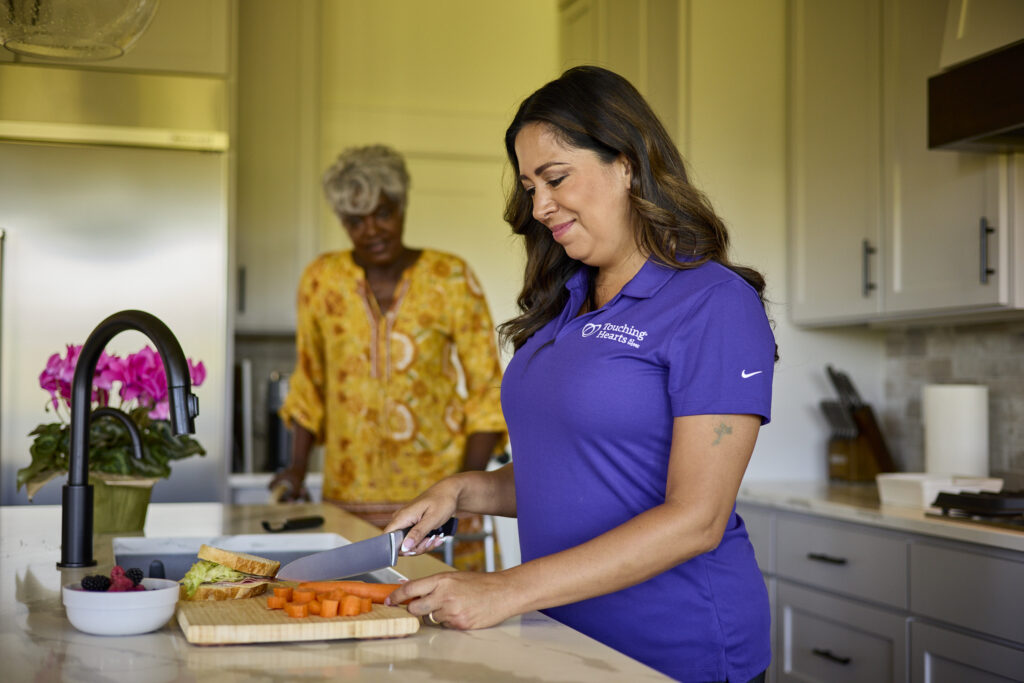
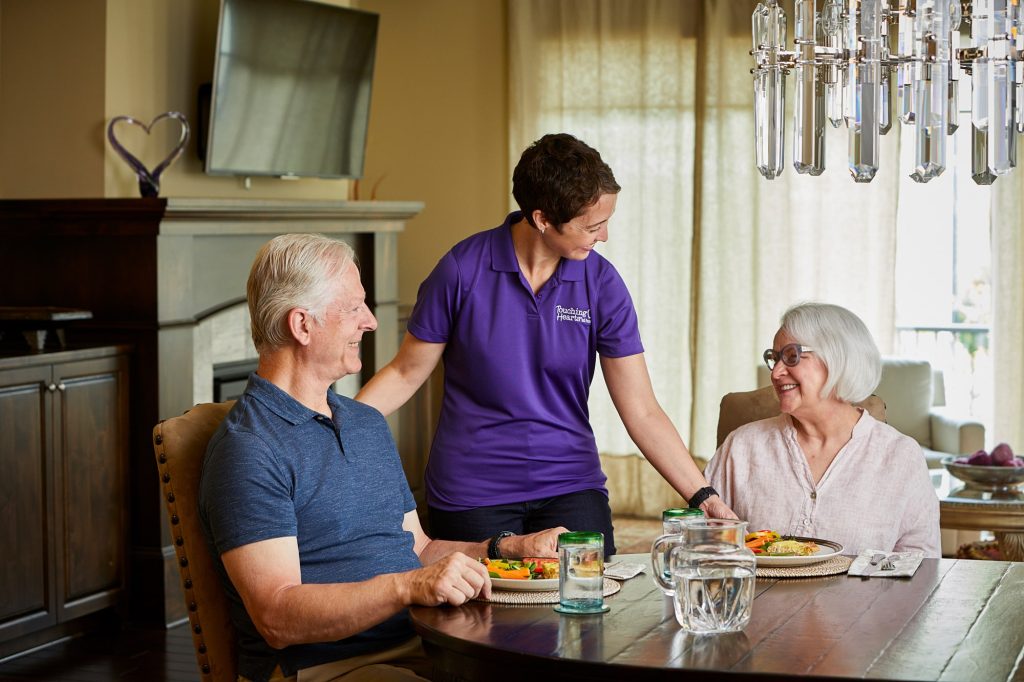
Preparing meals for both partners
-
Light housekeeping and laundry
-
Grocery planning and errands
-
Keeping living spaces safe and organized
This support helps the household run smoothly without either spouse feeling overwhelmed.
Supporting Individual Needs Respectfully
Even when living together, each partner may have different needs. Caregivers are trained to respect those differences, offering assistance tailored to each person while maintaining shared routines where possible.
This individualized approach helps couples feel supported without losing autonomy.
Promoting Safety While Preserving Independence
Safety is often a key concern for families supporting aging parents.
Reducing Fall and Injury Risks at Home
As mobility changes, the risk of falls can increase—especially in homes with stairs, uneven flooring, or clutter. Caregivers help by:
-
Assisting with safe movement
-
Identifying and reducing household hazards
-
Providing steady support during high-risk activities
In Fort Collins, winter conditions can add additional risks, making consistent safety awareness especially important.
Encouraging Independence, Not Taking Over
A major goal of home care is to help seniors do as much as they safely can on their own. Caregivers step in only where needed, encouraging participation and confidence rather than dependence.
This approach helps couples maintain a sense of control over their daily lives.
Emotional and Social Benefits for Couples
Aging in place isn’t only about physical care—it’s also about emotional well-being.
Companionship That Supports Both Partners
Caregivers provide friendly conversation and companionship, which can ease feelings of isolation—especially during colder months when outings are limited.
For couples, this can mean:
-
Shared conversations and activities
-
Reduced loneliness for either partner
-
A more relaxed, supported home environment
These social interactions can positively impact mood and emotional health.
Reducing Stress and Tension
When caregiving responsibilities become overwhelming, tension can quietly build between partners. Having extra support often leads to:
-
Less frustration and fatigue
-
Improved communication
-
More patience and understanding
This emotional relief benefits both individuals and the relationship itself.
Supporting Health Transitions Without Disruption
Health needs often change over time, sometimes unexpectedly.
After a Hospital Stay or Health Event
Following a discharge from Banner Fort Collins Medical Center, couples may feel uncertain about managing recovery at home. Home care helps reinforce routines, support rest, and reduce stress during these transitions.
This support can prevent setbacks and help couples stay safely at home together.
Adapting as Needs Evolve
One of the greatest strengths of home care is flexibility. As one or both partners’ needs change, care can be adjusted without forcing a major life disruption.
This adaptability supports long-term aging in place.
How Home Care Supports Family Peace of Mind
Adult children often carry worry about their parents’ safety and well-being.
Reassurance From Consistent Support
Knowing a caregiver is checking in regularly provides reassurance that:
-
Daily needs are being met
-
Safety concerns are being monitored
-
Small issues are addressed early
This peace of mind is especially valuable for families who don’t live nearby or are balancing work and caregiving responsibilities.
Preserving Family Relationships
With professional support in place, adult children can focus more on being sons and daughters—not full-time problem-solvers. This shift often leads to more positive, less stressful family interactions.
Why Home Care Works Well for Fort Collins Couples
Fort Collins couples often value independence, outdoor living, and strong community ties. Home care supports these values by allowing seniors to remain connected to the life they love—without unnecessary disruption.
Whether navigating winter weather, managing evolving health needs, or simply wanting a little extra help around the house, home care offers a practical, compassionate solution.
Frequently Asked Questions
Families often have questions about how home care works for couples.
Can one caregiver help both partners?
Yes. Care can be structured to support both individuals, with attention to each person’s unique needs.
What if one partner needs more help than the other?
Home care is flexible and can focus more support on one partner while still assisting the household as a whole.
Does home care mean giving up independence?
No. Home care is designed to support independence, not replace it.
Can home care be short-term?
Yes. Some couples use home care temporarily, such as after an illness or surgery.
Will care change if needs increase?
Care plans can be adjusted as needs evolve, helping couples continue aging in place safely.
Growing Older Together, at Home
For many couples in Fort Collins, aging in place is about more than convenience—it’s about staying connected, supported, and together. Home care makes this possible by sharing responsibilities, improving safety, and easing daily stress.
If you’re feeling unsure about your parent’s needs, Touching Hearts offers a free, no-pressure in-home consultation in Fort Collins. We’re here to support your family every step of the way.