How Home Care Helps Couples Age in Place in Greeley, Colorado
Growing older together is something many couples in Greeley deeply value. After years of shared routines, memories, and milestones, the idea of staying in the same home—together—often feels essential to their sense of comfort and identity. But as health needs change, aging in place can become more challenging for one or both partners.
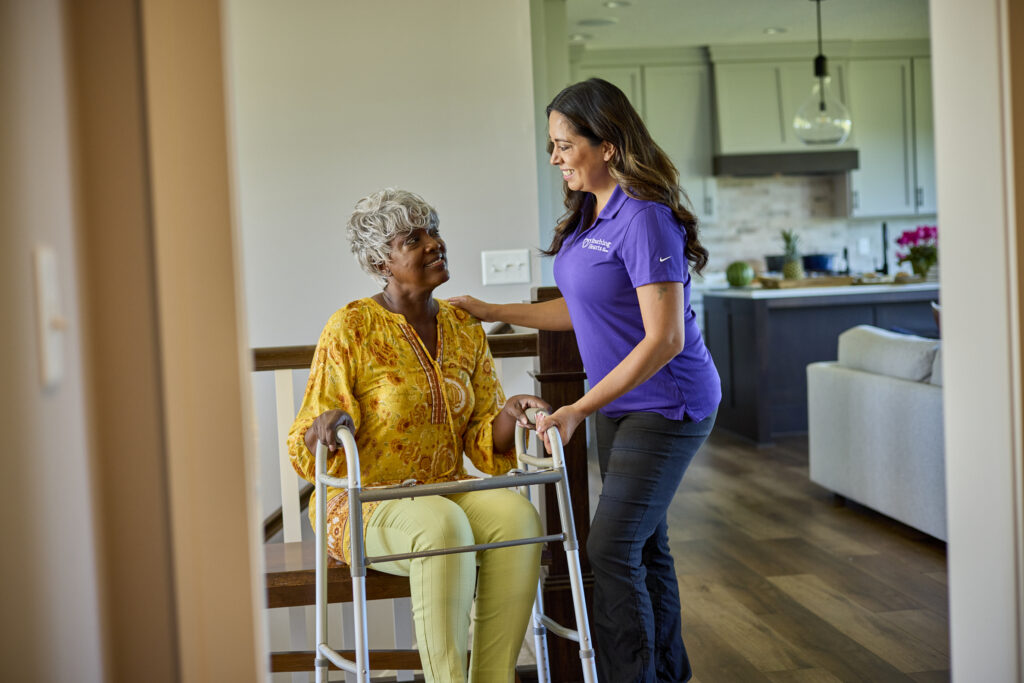
For many couples, home care offers a supportive solution that allows them to remain together while receiving the help they need. Rather than separating care needs or forcing difficult moves, home care adapts to each partner’s abilities and preserves the shared life they’ve built.
This article explores how home care helps couples in Greeley age in place safely, respectfully, and with greater peace of mind.
The Unique Challenges Couples Face as They Age
Aging rarely affects both partners in the same way or at the same pace. One spouse may remain largely independent while the other begins to struggle with mobility, memory, or daily tasks.
Common Situations Couples Encounter
Many couples experience:
-
One partner becoming a primary caregiver
-
Increased physical or emotional strain
-
Uneven energy levels or health needs
-
Safety concerns within the home
-
Growing worry about the future
Over time, these challenges can place stress on the relationship and daily routines—especially when help is delayed too long.
Why Aging in Place Matters to Couples
For couples, home represents shared history. It’s where traditions were built, children were raised, and everyday life unfolded.
Emotional Benefits of Staying Home Together
Aging in place allows couples to:
-
Maintain familiar routines
-
Stay connected to their neighborhood and community
-
Preserve independence and privacy
-
Avoid the emotional stress of relocation
Home care supports these goals by bringing assistance into the home rather than requiring couples to leave it.
How Home Care Supports Both Partners
One of the greatest strengths of home care is its flexibility. Care can be tailored to support both individuals, even when their needs differ.
Supporting One Partner Without Disrupting the Other
Home care can focus on:
-
Assisting one spouse with personal care
-
Helping with mobility or safety
-
Offering reminders and routine support
At the same time, the other partner can continue daily life with minimal disruption, maintaining independence and dignity.
Reducing Caregiver Strain Between Spouses
When one partner becomes the primary caregiver, exhaustion and burnout can quietly build.
Home care helps by:
-
Allowing spouses to return to their role as partners, not full-time caregivers
-
Providing time for rest, errands, or self-care
This balance often strengthens the relationship rather than straining it.
Help With Daily Tasks That Affect Both Partners
As couples age, everyday tasks can become more difficult for both individuals, even if health needs differ.
Household and Routine Support
Caregivers can assist with:
-
Meal preparation for shared meals
-
Light housekeeping and laundry
-
Grocery shopping and errands
-
Transportation to appointments or activities
This support keeps the household running smoothly and reduces daily stress for both partners.
Promoting Safety for Couples at Home
Safety concerns often increase as mobility, balance, or memory changes.
Fall Prevention and Home Awareness
Caregivers help reduce risks by:
-
Keeping walkways clear
-
Providing steady support when needed
-
Assisting during transfers or movement
-
Offering extra help during winter, when icy conditions are common in Greeley
Preventing accidents helps couples remain confident at home.
Emotional and Social Benefits for Couples
Home care isn’t just about physical assistance—it also supports emotional well-being.
Preserving Connection and Companionship
Caregivers provide:
-
Friendly conversation and reassurance
-
Support that reduces tension between partners
-
A calm presence during stressful moments
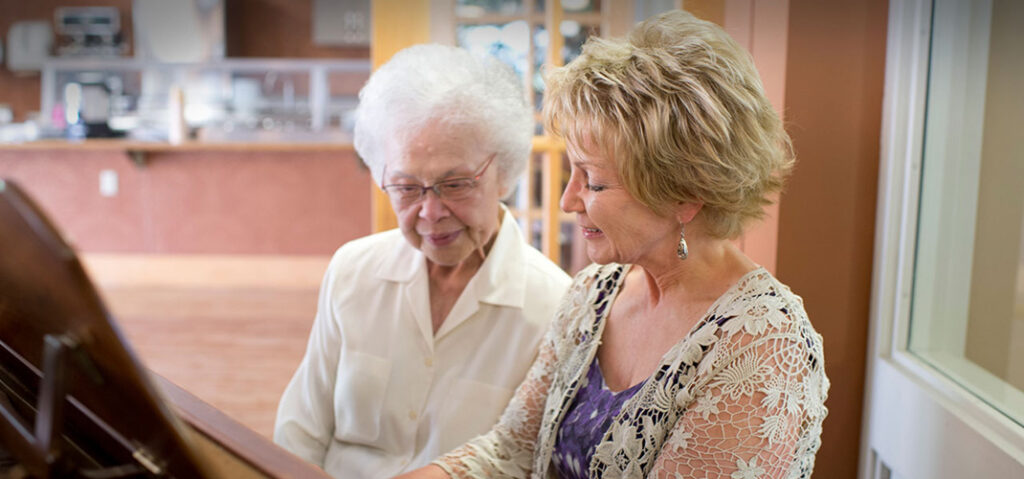
When daily pressures are eased, couples often find more time to simply enjoy each other’s company.
Adapting as Needs Change Over Time
One of the biggest advantages of home care is its ability to evolve.
Flexible Support for Changing Health Needs
Care can:
-
Start with a few hours a week
-
Increase gradually as needs change
-
Adjust to short-term recovery after a visit to the hospital or doctor’s clinic
-
Provide long-term support when needed
This flexibility helps couples avoid rushed decisions about assisted living or separation.
Why Home Care Works Well for Couples in Greeley
Greeley’s strong sense of community and familiar neighborhoods are important to many long-term residents. Staying at home allows couples to remain close to friends, family, and routines they value.
Home care also helps couples navigate Northern Colorado’s seasonal challenges, from winter weather to changing daylight hours, without giving up independence or comfort.
When Couples Should Consider Home Care
Many couples wait until they feel overwhelmed before asking for help.
It may be time to explore home care if:
-
One partner is feeling exhausted or stressed
-
Daily tasks are becoming harder to manage
-
Safety concerns are increasing
-
Health changes are affecting routines
-
Time together is overshadowed by caregiving duties
Starting support earlier often leads to better outcomes for both partners.
Keeping Couples Together at Home
One of the greatest fears couples express is being separated due to differing care needs. Home care helps prevent that by supporting each person individually while honoring the relationship they share.
Aging together doesn’t mean doing everything alone—it means finding the right support to continue life side by side.
Frequently Asked Questions
Below are common questions couples and families ask about aging in place with home care.
Can home care support both spouses at the same time?
Yes. Care plans can be designed to support both partners, even if needs differ.
What if only one partner needs help right now?
Care can focus on one individual and expand later if needed.
Does home care replace family involvement?
No. Home care complements family support and reduces stress for everyone involved.
Can home care help after surgery or illness?
Yes. Short-term care after returning home from the hospital is common and very helpful.
Is home care a long-term solution?
It can be short-term or long-term, depending on the couple’s needs and goals.
If you’re feeling unsure about your parent’s needs, Touching Hearts offers a free, no-pressure in-home consultation in Greeley. We’re here to support your family every step of the way.