How Home Care Helps Couples Age in Place in Windsor
For many couples, home is more than just a place to live—it’s where decades of memories were built. It’s morning coffee at the same kitchen table, familiar views out the window, and routines that have quietly shaped everyday life. When aging begins to bring new challenges, the thought of leaving that shared home can feel overwhelming, especially for couples who have always relied on one another.
In Windsor, many older couples find themselves navigating a new reality: one partner may need more help than the other, or both may be slowing down in different ways. Adult children often worry about safety, burnout, and whether their parents can realistically continue living together at home.
This article explores how home care supports couples who want to age in place—helping them stay together, maintain independence, and feel secure in the home they love.
What “Aging in Place” Really Means for Couples
Aging in place means continuing to live in your own home safely and comfortably as you grow older. For couples, it’s also about preserving shared routines, mutual support, and emotional connection.
However, aging rarely affects both partners in the same way or at the same time. One spouse may develop mobility issues, memory concerns, or health changes while the other remains relatively independent. Over time, this imbalance can place physical and emotional strain on the healthier partner.
In communities like Windsor and across Fort Collins, home care offers a practical way to bridge that gap—providing support where needed while allowing couples to remain together at home.
Common Challenges Couples Face as They Age
When one partner becomes the primary caregiver
It’s natural for spouses to step in for one another. But over time, caregiving responsibilities can become physically demanding and emotionally exhausting, especially if one partner is helping with bathing, mobility, or constant supervision.
Different care needs under one roof
One spouse may need reminders and supervision, while the other simply needs help with heavy chores or transportation. Managing these differences without outside support can be stressful.
Safety concerns at home
Mobility changes, balance issues, or memory lapses increase fall risks and other safety concerns. In Northern Colorado, winter weather, icy walkways, and shorter daylight hours add another layer of risk.
Fear of being separated
Many couples worry that if care is needed, they’ll be forced into separate living situations. This fear often delays seeking help—even when support would make life easier.
How Home Care Supports Couples Aging in Place
Personalized care for each partner
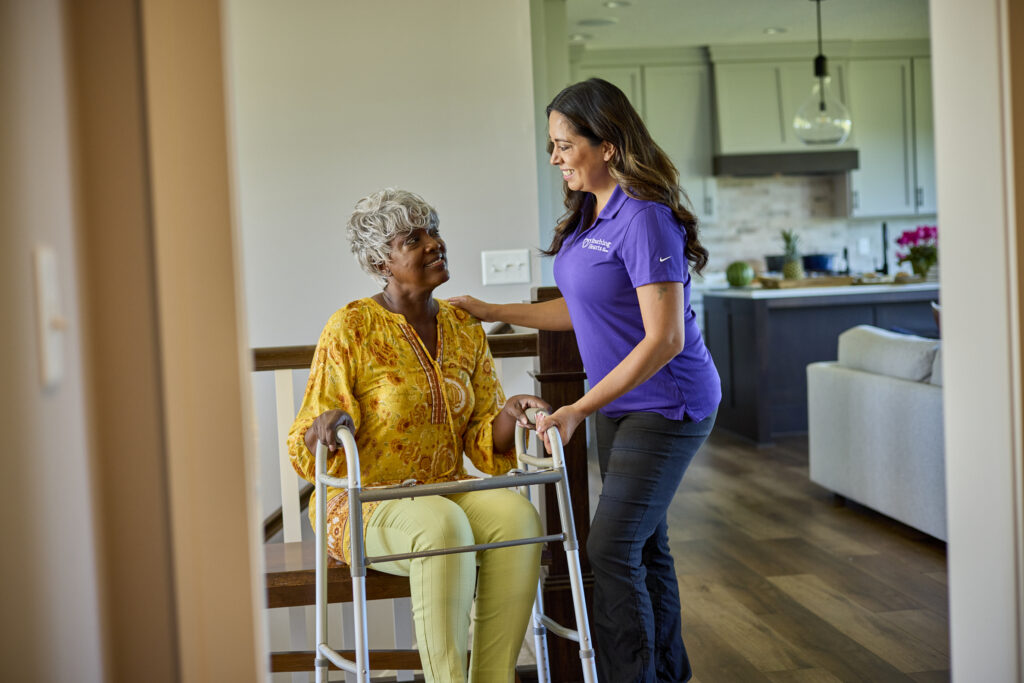
Home care isn’t one-size-fits-all. Care plans are designed around each individual’s needs, allowing one spouse to receive more hands-on support while the other maintains independence.
Relief for the caregiving spouse
When a caregiver steps in, the healthier partner can rest, focus on their own health, and return to being a spouse instead of a full-time caregiver. This often improves the overall relationship and emotional well-being for both partners.
Help with daily household tasks
Light housekeeping, laundry, meal preparation, and errands can become more difficult over time. Having help with these tasks reduces stress and keeps the household running smoothly.
Support with personal care
Caregivers assist with bathing, dressing, and grooming in a respectful, dignified way—tasks that can feel uncomfortable for spouses to manage on their own.
Preserving Independence and Shared Routines
One of the greatest benefits of home care is how it protects a couple’s sense of normalcy.
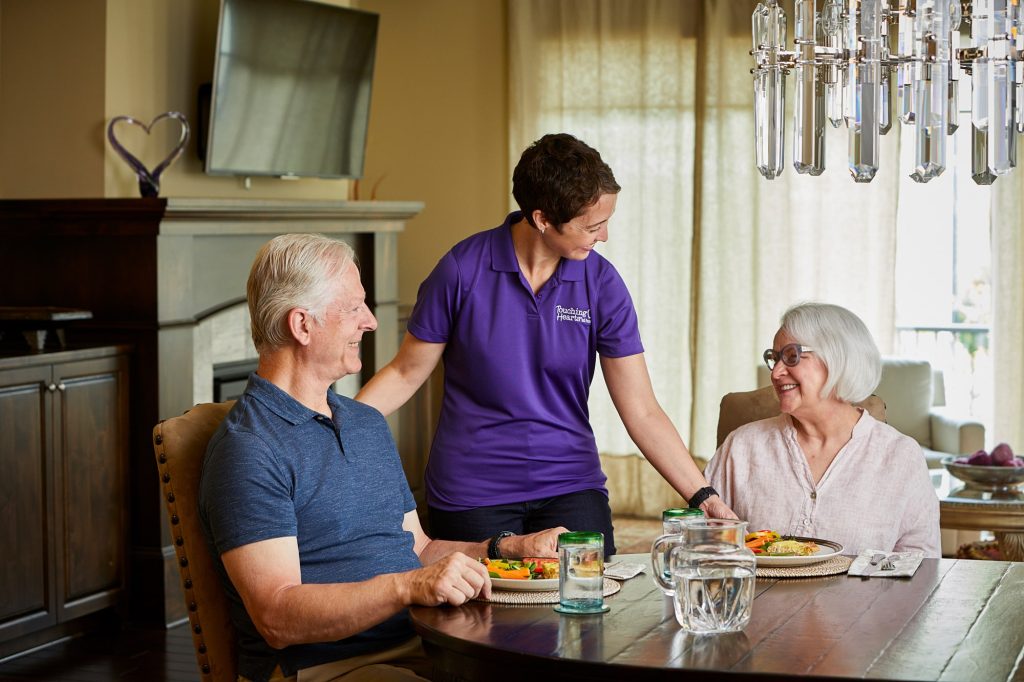
Caregivers work around established routines—morning schedules, favorite meals, shared activities—rather than disrupting them. This allows couples to continue enjoying daily life together, whether that’s sitting on the porch, watching a favorite show, or sharing meals at home.
For couples living in Windsor, remaining close to familiar neighbors, community spaces, and trusted providers like UCHealth Family Medicine can make aging feel less isolating and more manageable.
Emotional Benefits of Aging in Place Together
Reduced anxiety and stress
Staying at home provides comfort and familiarity, which can ease anxiety—especially for seniors experiencing health or memory changes.
Strengthened relationships
When outside support handles physical tasks, couples often experience improved communication and emotional closeness.
Continued sense of partnership
Home care supports the idea that aging is something couples face together, not separately. Both partners remain involved in decisions and daily life.
Flexible Care That Grows With You
One of the most reassuring aspects of home care is flexibility. Couples don’t need to commit to full-time care right away.
Many families in Windsor start with:
-
A few hours a week for housekeeping or errands
-
Part-time care focused on one spouse
-
Additional hours during recovery from illness or surgery
As needs change, care can increase gradually. This adaptability allows couples to age in place without sudden, disruptive transitions.
When Is It Time to Consider Home Care for a Couple?
There’s no single “right” moment, but certain signs often indicate that support would be beneficial:
-
One partner is physically or emotionally exhausted from caregiving
-
Daily tasks are being skipped or avoided
-
Safety concerns are increasing
-
Health or mobility issues are limiting independence
-
Adult children are worried about burnout or emergencies
Seeking help early can prevent crises and preserve quality of life for both partners.
Home Care and the Windsor Lifestyle
Windsor offers a close-knit, community-oriented environment that many seniors cherish. Home care allows couples to stay connected to that lifestyle—close to family, familiar streets, and local resources—while receiving the support they need.
Seasonal changes also matter. Snowy winters and changing road conditions can make errands and appointments harder. Having a caregiver available provides reassurance and practical help during challenging months.
Frequently Asked Questions
Couples and families often have questions when considering home care together.
Can home care support two people at once?
Yes. Care plans can be designed to support both partners, even if their needs are different.
Will home care replace the spouse’s role?
No. Home care supports the couple—it doesn’t take over the relationship. Many spouses feel relief and renewed connection once help is in place.
Can care start part-time?
Absolutely. Many couples begin with limited hours and adjust as needs evolve.
What if only one partner needs care right now?
Home care can focus on one spouse while still benefiting both through household support and reduced stress.
Does home care help couples stay together longer?
In many cases, yes. By providing the right support at home, couples can often avoid or delay the need for separate living arrangements.
If you’re feeling unsure about your parent’s needs, Touching Hearts offers a free, no-pressure in-home consultation in Windsor. We’re here to support your family every step of the way.