How Home Care Helps Couples Age in Place Together in Loveland
For many older adults, one of the greatest joys of aging is continuing to share life with the person they love. After decades of building a home, raising a family, and creating traditions together, most couples hope to remain side by side for as long as possible.
However, aging often brings new challenges. One spouse may develop mobility limitations while the other remains active. A health condition may make daily tasks more difficult. Family members may begin to worry about safety, driving, household responsibilities, or caregiver burnout.
For couples in Loveland and throughout the Fort Collins, home care can provide valuable support that allows both partners to continue living together in the comfort of their own home. Rather than forcing difficult decisions about relocation or separation, in-home care often helps couples maintain independence, preserve routines, and enjoy more quality time together.
Why Aging in Place Matters to Couples
Most seniors want to remain in familiar surroundings as they grow older.
Home represents more than a physical space. It holds memories, traditions, comfort, and a sense of independence. For couples, it also represents the life they have built together.
When faced with health changes, many couples worry that they may eventually need to live apart if one spouse requires additional assistance.
Common Concerns Families Face
Adult children often notice challenges such as:
- Difficulty managing household chores
- Increased fall risks
- Transportation concerns
- Medication management challenges
- Caregiver stress
- Changes in mobility
- Memory-related concerns
These situations can place strain on both partners, even when they remain committed to caring for one another.
The Emotional Impact of Separation
When one spouse moves into a care facility while the other remains at home, both individuals may experience loneliness, anxiety, and emotional stress.
For many couples, maintaining their shared home environment contributes significantly to emotional well-being and quality of life.
Understanding the Challenges Couples Face as They Age
Every couple’s situation is unique.
In some households, both spouses need occasional support. In others, one partner may act as the primary caregiver while managing their own aging-related challenges.
Different Needs Within the Same Household
It is common for couples to experience different levels of independence.
For example:
- One spouse may need mobility assistance.
- One partner may have memory concerns.
- One person may no longer drive.
- One spouse may require help with personal care.
Home care allows services to be tailored to the needs of each individual while supporting the household as a whole.
Caregiver Fatigue Is Common
Many spouses willingly take on caregiving responsibilities.
Over time, however, providing constant support can become physically and emotionally demanding. Even the most devoted caregiver may benefit from additional assistance.
How Home Care Supports Both Partners
One of the greatest advantages of home care is flexibility.
Services can be customized based on the couple’s specific circumstances, allowing both individuals to receive the support they need while remaining together.
Assistance With Daily Activities
Caregivers can help with:
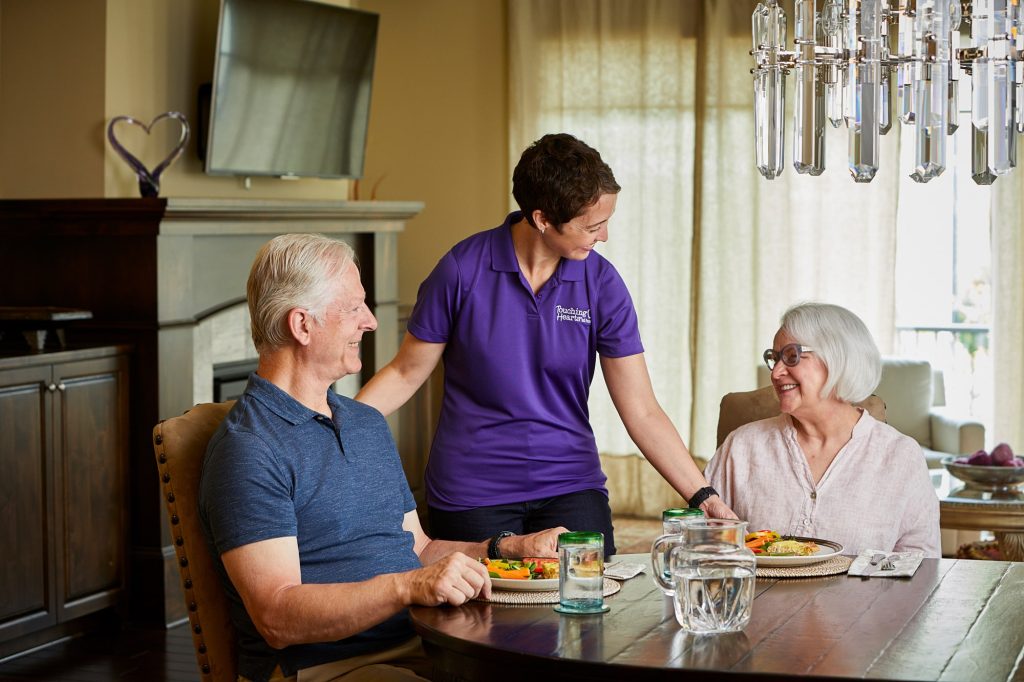
- Meal preparation
- Light housekeeping
- Laundry
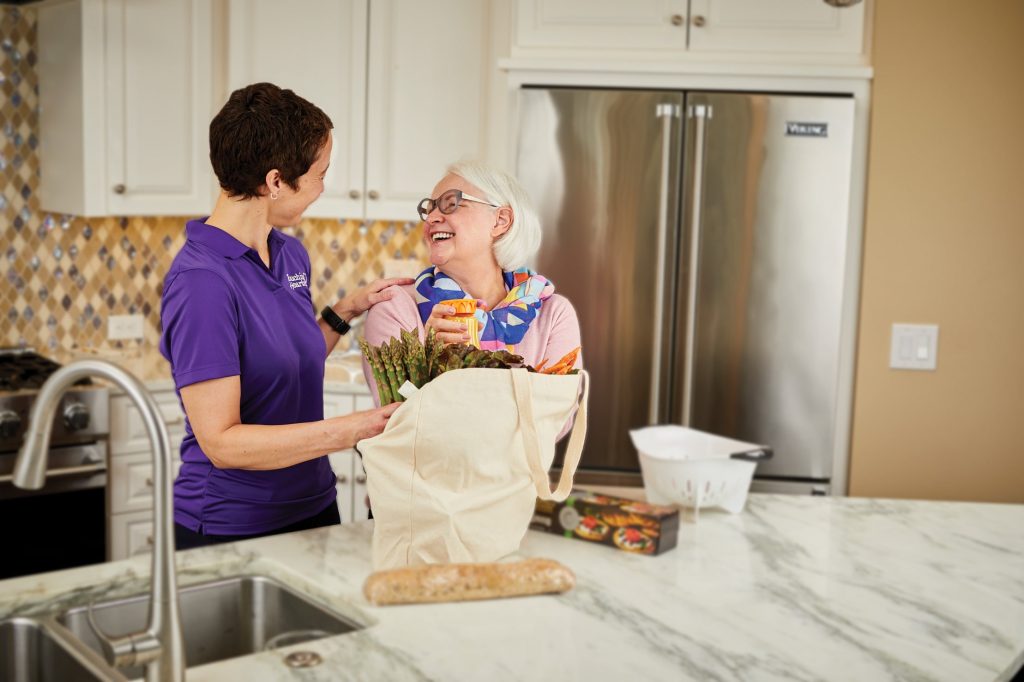
- Grocery shopping
- Transportation
- Personal care support
- Mobility assistance
By reducing the burden of daily tasks, couples can focus more on spending meaningful time together.
Supporting Independence
Home care is not about taking over.
Instead, caregivers encourage seniors to remain as independent as possible while providing assistance where needed. This approach helps preserve dignity and confidence.
Reducing Stress for Spousal Caregivers
When one spouse becomes a caregiver, the relationship often changes.
Responsibilities that were once shared may gradually shift to one person. Over time, this can create fatigue, frustration, and emotional strain.
The Hidden Challenges of Family Caregiving
Spousal caregivers may find themselves:
- Managing appointments
- Preparing meals
- Assisting with mobility
- Monitoring safety
- Handling household tasks
- Coordinating medications
These responsibilities can become overwhelming, especially when the caregiver is managing their own health concerns.
Respite and Relief
Home care provides an opportunity for spousal caregivers to rest, attend appointments, socialize, or simply take a break while knowing their loved one is receiving support.
This balance can help sustain healthier relationships over the long term.
Improving Safety at Home
Safety concerns often become one of the primary reasons families begin exploring home care.
As couples age, risks associated with falls, mobility limitations, and household hazards can increase.
Common Home Safety Challenges
Older adults may face:
- Difficulty navigating stairs
- Balance concerns
- Poor lighting
- Cluttered walkways
- Challenges with household maintenance
How Caregivers Help
Caregivers can assist by:
- Identifying safety hazards
- Supporting mobility
- Encouraging safe routines
- Monitoring changes in condition
- Assisting with transfers when appropriate
This additional support can help couples remain in their homes more safely.
Maintaining Social Connections and Community Involvement
Aging in place should not mean becoming isolated.
Many seniors value staying connected to friends, family, faith communities, and local activities.
The Importance of Staying Engaged
Social engagement can support:
- Emotional well-being
- Cognitive health
- Confidence
- Sense of purpose
Transportation and Community Access
Caregivers can assist with transportation to:
- Community events
- Senior programs
- Religious services
- Family gatherings
- Appointments at Banner McKee Medical Center
For couples who no longer drive, this support can help maintain an active lifestyle.
Helping Couples Adapt to Changing Needs
Needs often change gradually.
A couple may initially seek help with housekeeping and transportation, then later require assistance with mobility or personal care.
Flexible Support Over Time
One benefit of home care is the ability to adjust services as circumstances evolve.
Support can increase or decrease based on:
- Health changes
- Recovery after hospitalization
- Seasonal challenges
- Family availability
- Personal preferences
Planning for the Future
Having a support system in place before a crisis occurs can make transitions smoother and less stressful.
Colorado Considerations for Aging in Place
Couples living in Loveland enjoy many benefits of Northern Colorado living, from beautiful scenery to strong community connections.
At the same time, Colorado’s changing seasons can create unique challenges.
Winter Safety Concerns
Snow, ice, and freezing temperatures may increase risks related to:
- Falls
- Transportation difficulties
- Isolation
- Household maintenance
Additional support during winter months can help couples continue living comfortably and safely at home.
Preserving the Colorado Lifestyle
Many Loveland seniors enjoy spending time outdoors, attending local events, and remaining active within the community.
Home care can help make those activities more accessible by providing assistance that supports continued participation in meaningful routines.
Signs a Couple May Benefit From Home Care
Families often notice subtle indicators that additional support could be helpful.
Some common signs include:
- Increased difficulty managing household tasks
- Missed appointments
- Mobility concerns
- Caregiver fatigue
- Reduced social activity
- Recent falls or near-falls
- Difficulty keeping up with home maintenance
Recognizing these signs early can help families explore options before challenges become overwhelming.
Supporting Independence Without Sacrificing Togetherness
For many couples, aging in place is about more than remaining in a familiar home. It’s about preserving routines, maintaining independence, and continuing to share daily life with the person they love.
Home care provides practical support while helping couples stay connected to each other, their community, and the activities that bring meaning to their lives. Whether assistance is needed for a few hours each week or on a more regular basis, in-home care can offer the flexibility and reassurance families need as circumstances change.
For Loveland couples, the right support can make it possible to remain together at home longer while maintaining comfort, dignity, and peace of mind.
Frequently Asked Questions
Families often have questions about how home care works when both spouses are aging together.
Can home care support both members of a couple?
Yes. Services can often be customized to meet the unique needs of each spouse while supporting the household as a whole.
What if only one spouse needs assistance?
Home care can be tailored specifically to one individual while still providing benefits that reduce stress for the entire household.
Does home care help prevent caregiver burnout?
Home care can provide relief for spousal caregivers by assisting with daily responsibilities and allowing time for rest, appointments, and personal activities.
Can services increase if needs change?
Yes. Many home care plans can be adjusted over time as health conditions, mobility, or support needs evolve.
Is home care only for couples with serious health issues?
No. Many couples begin receiving home care for help with household tasks, transportation, companionship, or safety concerns before significant health challenges arise.
If you’re feeling unsure about your parent’s needs, Touching Hearts offers a free, no-pressure in-home consultation in Loveland. We’re here to support your family every step of the way.