How Home Care Helps Seniors Stay Connected to Community in Fort Collins
As a parent grows older, staying connected to friends, familiar places, and favorite activities can become more difficult. Driving may no longer feel comfortable, walking long distances may take more effort, or everyday tasks may leave less energy for social outings. For families in Fort Collins, these changes can be difficult to watch, especially when a parent who once enjoyed an active social life begins spending more time at home.
Social connection is an important part of maintaining a sense of purpose and belonging as we age. A conversation with a neighbor, lunch with a friend, a visit to a favorite local spot, or participation in a community activity can bring enjoyment and structure to the week. When these opportunities become harder to manage independently, older adults may gradually withdraw from activities that once made life meaningful.
Fortunately, growing older does not have to mean giving up community involvement. In-home care can help seniors in Fort Collins maintain familiar routines, participate in social activities, and enjoy meaningful time with others. With compassionate assistance from a caregiver, older adults can continue engaging with the community while preserving their independence, dignity, and comfort.
Why Staying Connected to the Fort Collins Community Matters
Community involvement gives older adults opportunities to maintain relationships, explore interests, and feel connected to the world around them. These connections can be especially meaningful when retirement, changes in mobility, or the loss of a spouse or close friend alters a person’s daily routine.
For many seniors, community is not simply a place. It is the collection of people, traditions, and familiar experiences that make life feel rewarding.
Social Connection Helps Reduce Feelings of Isolation
A senior who lives alone may go several days without having an extended conversation with another person. Family members may call regularly, but work schedules, parenting responsibilities, and distance can make frequent in-person visits difficult.
Over time, limited social interaction may contribute to feelings of loneliness or disconnection. Seniors may stop reaching out to friends because transportation is difficult, or they may feel uncomfortable asking others for help.
Regular opportunities to talk, share experiences, and participate in activities can help older adults feel more engaged with everyday life. A caregiver who provides companionship can make these interactions easier to maintain, whether through conversation at home, an outing with a friend, or a planned visit to a familiar community destination.
Familiar Activities Preserve a Sense of Identity
An older adult’s interests often reflect decades of experiences and personal accomplishments. Someone who enjoys gardening may value time spent among plants. A longtime reader may look forward to library visits, while another person may find fulfillment in attending community gatherings or watching local events.
When physical limitations or transportation challenges interfere with these interests, seniors may feel that an important part of their identity is slipping away.
Home care can help preserve these routines by providing practical assistance and companionship. Rather than encouraging a parent to give up favorite activities, families can explore ways to make those activities more accessible and comfortable.
Community Participation Can Support Everyday Well-Being
A reason to get dressed, leave the house, or look forward to an upcoming event can give structure to the week. Social activities may also encourage seniors to maintain routines around meals, personal care, movement, and sleep.
Not every outing needs to be elaborate. A short visit with a neighbor, an afternoon spent enjoying the outdoors, or a familiar weekly activity may be enough to make the day feel more fulfilling.
The goal is not to keep every senior busy. It is to help each person maintain the level of social involvement that feels enjoyable and meaningful to them.
How Home Care Makes Community Involvement Easier
Many older adults want to remain socially active but encounter practical obstacles that make leaving home more complicated. Non-medical home care can address some of these barriers by offering assistance with everyday routines, companionship, and appropriate transportation support when included in the care plan.
The right support can make the difference between wanting to attend an activity and feeling able to participate.
1. Providing Transportation and Outing Assistance
Driving can become more challenging with age, and some seniors choose to stop driving because they no longer feel comfortable navigating traffic, parking, or unfamiliar routes. Others may still drive locally but avoid evening events, busy intersections, or winter conditions.
Losing the ability to drive does not have to mean losing access to the community.
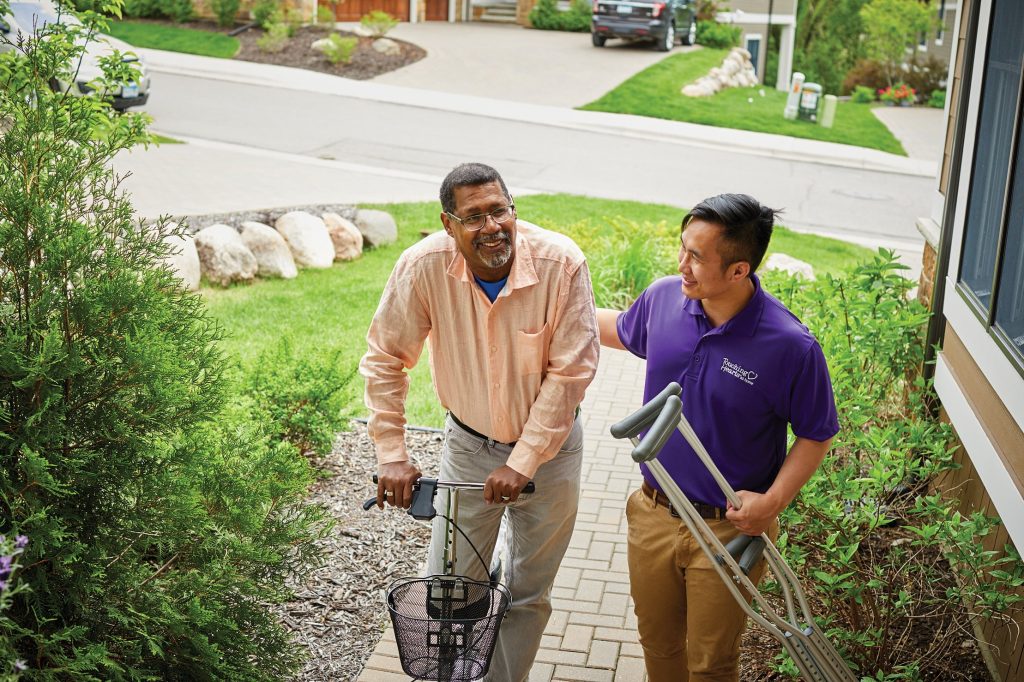
Depending on the care arrangement, a caregiver may help a senior prepare for an outing, accompany them to an appointment or social visit, and assist with getting in and out of destinations safely. Transportation assistance may also help families coordinate trips to grocery stores, community activities, or visits with friends.
In Fort Collins, families might plan outings around familiar destinations such as Old Town, neighborhood shopping areas, or community gathering places that a parent has enjoyed for years.
Transportation arrangements vary by provider, caregiver availability, and service plan, so families should confirm what is offered before scheduling an outing.
2. Offering Companionship During Social Activities
Some seniors feel comfortable attending an activity but appreciate having someone alongside them. They may worry about navigating a crowded location, finding a seat, carrying personal belongings, or managing an unfamiliar environment.
A companion caregiver can provide reassurance without taking over the experience.
For example, a senior who enjoys visiting a local café might feel more comfortable going when a caregiver can accompany them, share conversation, and assist with practical details. A caregiver might also accompany a parent to a community event, help them get settled, and remain available if the outing becomes tiring.
The purpose is to support participation, not replace friendships or make decisions for the older adult. Seniors should continue to choose the activities they enjoy and the people with whom they want to spend time.
3. Helping Seniors Prepare for Outings
Getting ready to leave home can involve more steps than family members realize. Choosing appropriate clothing, gathering a coat, preparing personal items, arranging mobility equipment, and allowing enough time to get ready can make an outing feel overwhelming.
A caregiver can help simplify these routines according to the senior’s preferences and care needs.
This might include assistance with dressing, preparing a light meal before departure, gathering a purse or walking aid, or helping the senior follow a comfortable schedule. When the practical details feel manageable, the person may have more energy to enjoy the activity itself.
For families, this support can also reduce the pressure of trying to complete every preparation task during a short visit.
4. Encouraging Regular Social Routines
One enjoyable outing can brighten a day, but consistent connection often depends on having routines that are realistic to maintain.
A caregiver can help a senior plan a weekly schedule that includes activities the person genuinely enjoys. That schedule might feature a regular visit with a friend, a short walk when conditions permit, time for a favorite hobby, or an occasional trip to a familiar destination.
Predictable routines can also help families identify what works best. If a parent feels more energetic in the morning, for example, scheduling a social visit earlier in the day may make participation easier than planning a late-afternoon outing.
The schedule should remain flexible. Rest, changing weather, and the senior’s preferences all deserve consideration.
5. Supporting Connection at Home
Community connection does not always require leaving the house. For seniors who have limited stamina or prefer quieter settings, meaningful interaction can happen at home.
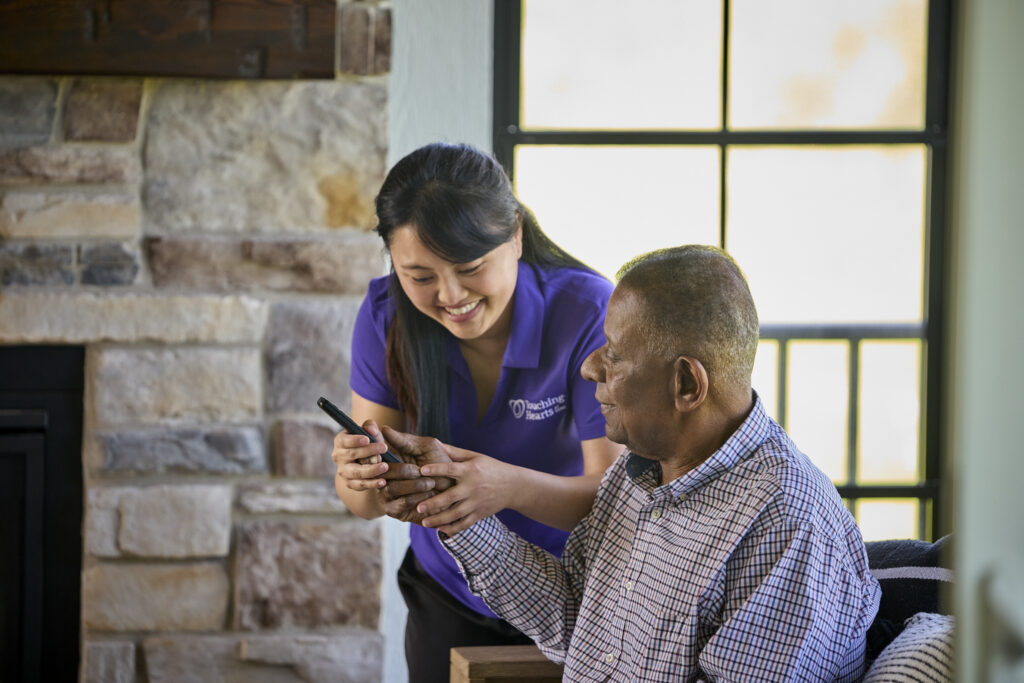
Caregivers can provide companionship through conversation, shared hobbies, games, music, reading, or looking through family photographs. With the senior’s permission, they may also help make it easier to connect with loved ones by phone or video call.
A caregiver might help a parent prepare for a family visit, organize photographs to share with grandchildren, or create a comfortable setting for a neighbor to stop by.
These everyday moments can help a senior maintain relationships even when longer outings are not practical.
Fort Collins Offers Many Ways for Seniors to Stay Involved
Fort Collins has a variety of familiar settings and community experiences that older adults may enjoy. The best opportunities depend on a senior’s interests, mobility, transportation options, and comfort level.
Home care can help families turn general ideas into manageable plans.
Enjoying Old Town at a Comfortable Pace
Old Town Fort Collins may appeal to seniors who enjoy local shops, restaurants, public spaces, and the character of a familiar downtown area. A short visit for coffee, lunch, or a relaxed look around can provide a welcome change of scenery.
Families should consider parking, walking distances, seating, crowd levels, and restroom access when planning an outing. A shorter visit at a quieter time may be more enjoyable than trying to fit several activities into one trip.
A caregiver can help with preparation and companionship, allowing the senior to focus on the experience rather than the logistics.
Exploring Libraries and Cultural Activities
Libraries and cultural programs can provide opportunities for learning, entertainment, and social interaction. Seniors who enjoy books, local history, educational presentations, or creative activities may appreciate exploring programs available in their part of Fort Collins.
For someone who has become less socially active, a familiar library visit or small group activity can be a comfortable first step toward reconnecting with others.
Families can check current schedules, accessibility information, registration requirements, and transportation arrangements before making plans.
Spending Time Outdoors When Conditions Allow
Northern Colorado’s outdoor lifestyle can offer enjoyable opportunities for fresh air and a change of scenery. Some seniors may appreciate a short visit to a park, a quiet place to sit outdoors, or a gentle walk on a suitable path.
The important consideration is choosing an activity that matches the individual’s abilities and the conditions that day. A level, accessible route with places to rest may be more appropriate than a longer trail.
Colorado weather can change quickly, and sun exposure, wind, cold temperatures, and winter ice can affect comfort and safety. During snowy or icy periods, families should check walking surfaces and consider an indoor alternative rather than feeling obligated to keep an outdoor plan.
Maintaining Faith, Volunteer, and Neighborhood Connections
For many older adults, their most important community ties come from a place of worship, a volunteer group, a neighborhood gathering, or a long-standing social organization.
These connections may represent years of friendships and shared experiences. When getting ready or arranging transportation becomes difficult, seniors may gradually stop attending even though they still want to participate.
A caregiver can help make these activities more manageable by assisting with preparation, accompanying the senior when appropriate, and helping them maintain a comfortable schedule.
Families can also contact the organization to ask about accessible entrances, seating, parking, or alternative ways to participate if regular attendance becomes difficult.
How Home Care Supports Seniors Who No Longer Drive
For families, a parent’s decision to stop driving can be an emotional turning point. Driving often represents independence, and giving up the keys may leave an older adult concerned about losing control over everyday decisions.
It can also create a practical challenge. Family members may find themselves coordinating every grocery trip, social visit, and appointment around work and other responsibilities.
Home care can help families explore a more sustainable approach to transportation and daily support.
Plan Outings Around the Senior’s Priorities
Start by asking your parent which activities they miss most. They may not want to go out every day, but they may feel strongly about attending a monthly gathering, visiting a particular friend, or continuing a favorite hobby.
Prioritizing the most meaningful activities makes it easier to build a realistic plan.
Consider creating a short list of regular outings, occasional special events, and activities that can be enjoyed at home. This gives everyone a starting point without making the schedule feel demanding.
Combine Social Activities With Everyday Errands
Some trips can accomplish several practical goals without becoming exhausting. A grocery visit might be followed by a brief coffee stop, or a trip to a nearby shop might include time to see a friend.
However, combining activities should only be done when the senior has the energy and interest. Several stops in one outing may be tiring for someone who would enjoy a single destination more.
A caregiver can help families think through timing, preparation, and rest periods while keeping the senior’s preferences central.
Have a Backup Plan for Colorado Weather
In Fort Collins, winter snow and ice can make sidewalks, parking lots, and driveways difficult to navigate. Wind, sudden temperature changes, and summer heat can also affect outdoor plans.
Families should avoid treating a scheduled outing as an obligation when conditions are uncomfortable or unsafe. Instead, identify indoor alternatives, reschedule when needed, or arrange a phone call with a friend.
Before relying on a caregiver for a particular trip, confirm that the transportation arrangement is available and that the outing can be completed safely under the conditions.
Signs Your Parent May Need Help Staying Socially Connected
Social withdrawal can happen gradually, making it difficult for family members to recognize when a parent needs additional support. Changes do not necessarily mean something is wrong, but they can be an invitation to ask thoughtful questions.
Look for patterns such as:
- Your parent frequently cancels plans because getting ready or arranging transportation feels difficult.
- They have stopped attending a favorite community activity or visiting longtime friends.
- They mention feeling lonely but are unsure how to reconnect with others.
- They no longer drive and rarely leave home except for essential appointments.
- They seem less interested in hobbies or routines they previously enjoyed.
- They rely on family members for every outing, but family schedules make regular visits difficult.
- They express worry about navigating unfamiliar places or managing practical tasks away from home.
Approach these changes with curiosity rather than criticism. A parent may already feel frustrated about needing help, and comments that sound like pressure can make them reluctant to discuss the problem.
Instead, ask what would make outings easier. Your parent may want transportation, someone to accompany them, help getting ready, or simply a regular visit at home.
If withdrawal is persistent or accompanied by significant changes in mood, memory, or everyday functioning, encourage your parent to discuss those concerns with an appropriate health care professional. Home care can provide practical and social support, but it does not replace medical evaluation when concerns arise.
How Families Can Build a Community Connection Plan
A simple plan can help turn good intentions into regular opportunities for connection. It should reflect your parent’s interests, comfort level, and changing needs rather than impose a busy schedule.
Start With a Conversation About What Matters
Ask your parent what they enjoy and which activities they would most like to continue. Consider familiar relationships, hobbies, community organizations, and places that hold personal meaning.
Questions might include:
- Which people would you like to see more often?
- Is there an activity you have stopped doing that you would enjoy returning to?
- What makes leaving home difficult right now?
- Would you prefer a companion, transportation help, or more opportunities to connect at home?
Listen carefully. A senior may value quiet time and a small circle of friends more than frequent outings. Respecting that preference is part of supporting independence.
Identify Practical Barriers
Once you understand your parent’s goals, identify what stands in the way. Transportation may be the main challenge, or the difficulty may involve dressing, walking distances, fatigue, meal preparation, or feeling uncomfortable in unfamiliar places.
Separating the barriers into manageable steps can help the family find the right type of support.
For example, if a parent avoids social gatherings because preparing to leave home takes too long, assistance with morning routines may be just as valuable as help with the outing itself.
Create a Realistic Weekly Schedule
Choose a small number of meaningful activities to begin with. Include time for rest and leave room for changing preferences or weather.
A sample schedule might include a family phone call on Monday, a favorite hobby at home on Wednesday, and a short community outing on Friday. Another senior may prefer one longer visit each week and plenty of quiet time between activities.
There is no single ideal schedule. The goal is to create reliable opportunities for connection without making the person feel rushed or overcommitted.
Review What Is Working
After a few weeks, ask your parent which activities they enjoyed and which ones felt tiring or inconvenient. Adjust the plan based on their feedback.
Some outings may become favorite routines, while others may not be worth the effort. That is useful information, not a failure.
As needs change, families can also review whether more help with daily tasks, transportation coordination, or companionship would make community participation easier.
Choosing Home Care That Respects Independence
Not every senior needs the same amount of assistance. Some may benefit from occasional companionship and help with errands, while others need support with personal care, meals, or household routines before they have the energy to participate in community life.
When exploring in-home care, families should look for a provider that listens to the senior, communicates clearly, and builds support around the person’s preferences.
Ask About Companionship and Community Outings
Discuss the kinds of activities your parent enjoys and ask how a care plan might accommodate them. Clarify whether caregivers can accompany clients on outings, what transportation arrangements are permitted, and whether additional expenses or scheduling requirements apply.
It is also helpful to discuss what happens when plans change because of weather, fatigue, or an unexpected appointment.
Look for a Person-Centered Approach
A good care arrangement should respect your parent’s choices and personal history. The caregiver should understand that community involvement is about more than filling time; it is about helping the person maintain relationships, interests, and a sense of belonging.
Ask how the provider considers personality, communication style, preferences, and compatibility when matching caregivers with clients.
Consider Support for Everyday Tasks, Too
Social connection is easier when the rest of the day feels manageable. A senior who is worried about meals, laundry, or getting dressed may have less energy for visiting friends or attending an activity.
Depending on the service plan, non-medical home care may help with meal preparation, light housekeeping, personal care, reminders, and companionship. These forms of support can reduce everyday burdens and leave more room for activities the senior values.
Touching Hearts at Home provides non-medical home care and companionship intended to help older adults maintain independence while giving families added peace of mind. Families in Fort Collins can discuss their loved one’s needs and explore which forms of support may be appropriate.
Frequently Asked Questions
Every family’s situation is different, and these answers can help you begin thinking about ways to support your parent’s community connections.
Can home care help my parent attend social activities in Fort Collins?
Depending on the care plan and available arrangements, a caregiver may provide companionship and assistance with preparing for or attending outings. Families should confirm transportation options, scheduling, and any associated requirements with the provider.
What if my parent no longer drives?
A parent who no longer drives can still maintain social connections through family coordination, suitable community transportation options, visits at home, and caregiver companionship. The best approach depends on the senior’s preferences, mobility, and available services.
Does my parent need to go out frequently to benefit from companionship?
No. Meaningful connection can happen through conversation, shared hobbies, phone calls, family visits, or occasional outings. The goal is to support the level of interaction your parent enjoys, not to fill every day with activities.
How can I encourage a parent who has become reluctant to socialize?
Start by asking what has made socializing more difficult. Transportation, fatigue, accessibility, or uncertainty about being away from home may be part of the problem. Offer one manageable option based on your parent’s interests, and let them decide whether they want to participate.
Is non-medical home care appropriate for a senior who feels lonely?
Non-medical home care may be helpful when a senior would benefit from companionship, assistance with everyday tasks, or support maintaining routines and relationships. If loneliness occurs alongside persistent sadness, significant changes in mood, or other concerning changes, encourage the senior to speak with a health care professional as well.
How do we get started with home care in Fort Collins?
Begin by identifying the activities and daily tasks your parent finds difficult, then discuss those needs with a home care provider. A conversation about scheduling, companionship, personal preferences, and practical arrangements can help your family determine whether in-home support is a good fit.
If you’re feeling unsure about your parent’s needs, Touching Hearts offers a free, no-pressure in-home consultation in Fort Collins. We’re here to support your family every step of the way.