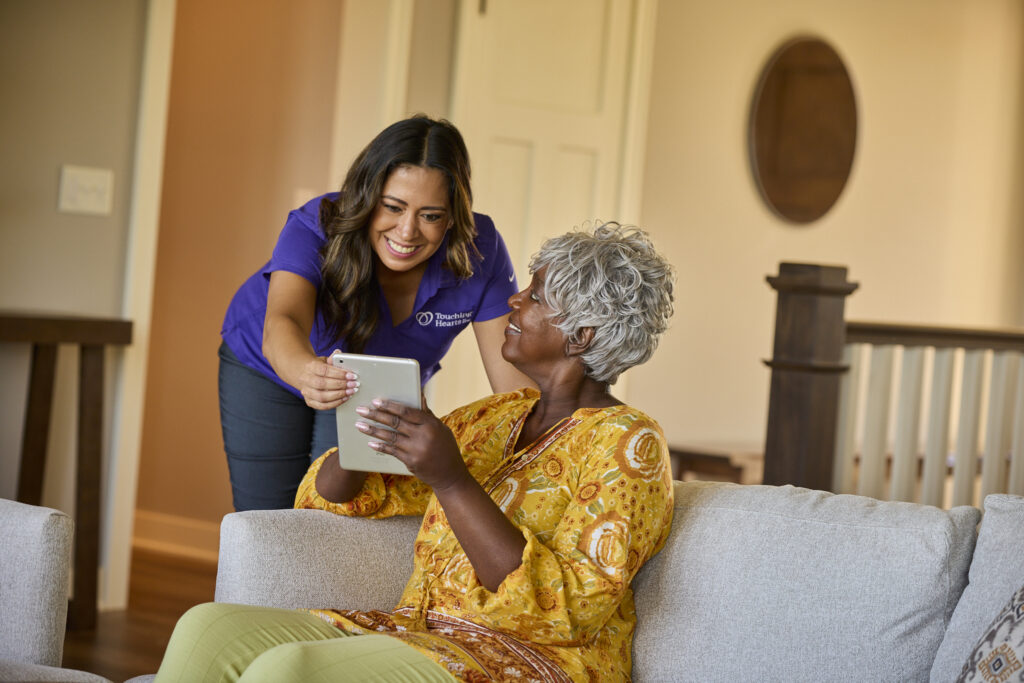

How Home Care Helps Seniors Stay Connected to Community in Johnstown
Staying connected to friends, neighbors, and the local community is an important part of healthy aging. Yet as older adults experience changes in mobility, health, or transportation, participating in the activities they once enjoyed can become increasingly difficult. What begins as skipping a weekly coffee gathering or missing a community event can gradually lead to feelings of isolation and loneliness.
For many families, these changes happen slowly. A parent who was once active around Johnstown may begin spending more time at home, declining invitations, or avoiding outings because they no longer feel comfortable driving or navigating busy public spaces. While these changes are common, they don’t have to become a permanent part of aging.
For families in Johnstown and throughout Fort Collins, non-medical home care can provide the practical support and encouragement older adults need to remain connected to the people, places, and activities that bring purpose and joy to everyday life.
Why Community Connection Matters for Older Adults
Remaining socially connected is about much more than staying busy. Regular interaction with others contributes to emotional well-being, encourages physical activity, and helps older adults maintain a greater sense of independence.
Meaningful community involvement may include:
- Visiting family and friends
- Attending religious services
- Participating in senior programs
- Volunteering
- Shopping locally
- Dining at favorite restaurants
- Attending community festivals
- Enjoying local parks and walking trails
These experiences provide opportunities for conversation, routine, and continued engagement with the community.
When seniors remain involved in activities they enjoy, they often feel more confident, motivated, and connected to the world around them.
Common Barriers That Keep Seniors at Home
Many older adults want to remain active but face challenges that make leaving home more difficult than it once was.
Recognizing these barriers can help families identify opportunities where home care may provide meaningful support.
Transportation Challenges
One of the most common reasons seniors become isolated is the loss of reliable transportation.
Whether your loved one has voluntarily stopped driving or simply feels less confident behind the wheel, getting to appointments, grocery stores, or social gatherings may suddenly become a challenge.
Without dependable transportation, even simple outings can feel overwhelming.
Mobility Concerns
Arthritis, balance changes, or reduced endurance may make walking longer distances more difficult.
Older adults may begin avoiding community activities simply because they worry about falling or becoming fatigued.
Loss of Confidence
Sometimes the biggest obstacle isn’t physical—it’s emotional.
After experiencing an illness, hospitalization, or fall, seniors may become hesitant to leave home even after they’ve recovered.
Gentle encouragement and reliable companionship can help rebuild that confidence over time.
Changes in Social Circles
As friends relocate, experience health changes, or pass away, opportunities for regular social interaction naturally become less frequent.
Without intentional efforts to stay engaged, loneliness can gradually increase.
How Home Care Encourages Community Involvement
Professional caregivers do much more than assist with household tasks. They also provide the encouragement and practical support that helps older adults continue participating in the activities they value most.
Reliable Transportation
One of the greatest benefits of home care is dependable transportation assistance.
Caregivers can accompany seniors to:
- Medical appointments
- Grocery stores
- Hair salons or barbershops
- Religious services
- Community centers
- Local libraries
- Family gatherings
- Social events
Having someone available to assist with transportation often restores opportunities that seemed out of reach.
Companionship During Outings
Some seniors hesitate to attend events because they don’t want to go alone.
A caregiver can provide reassuring companionship, making outings feel safer and more enjoyable while helping navigate unfamiliar environments or busy public spaces.
Encouragement to Stay Active
Sometimes older adults simply need a little motivation.
Caregivers can encourage participation in hobbies, neighborhood walks, or local events that fit your loved one’s interests and abilities.
Remaining active—even through small outings—helps maintain routines and promotes overall well-being.
Everyday Activities That Strengthen Community Connections
Community involvement doesn’t always require large events or busy schedules.
Often, the most meaningful moments come from simple routines that keep seniors connected with the people and places they know.
Examples include:
Visiting Local Parks
Johnstown and surrounding communities offer beautiful outdoor spaces where seniors can enjoy fresh air, gentle walks, or simply relax while enjoying Colorado’s scenic views.
Weather permitting, spending time outdoors can improve mood while encouraging light physical activity.
Supporting Local Businesses
Running errands together can become enjoyable social experiences rather than chores.
Visiting neighborhood grocery stores, coffee shops, or local markets allows seniors to maintain familiar routines while interacting with members of their community.
Staying Connected with Family
Home care can also make family visits easier.
By helping prepare the home, assisting with personal care beforehand, or providing transportation, caregivers help seniors feel confident welcoming loved ones or attending family celebrations.
Participating in Faith Communities
For many older adults, attending religious services or faith-based gatherings provides comfort, friendship, and a sense of belonging.
When transportation or mobility becomes difficult, caregivers can help seniors continue participating in these meaningful traditions.
Colorado Living Offers Opportunities for Connection
Living in Johnstown means being part of a growing community with easy access to neighboring towns, local events, and the natural beauty of Northern Colorado.
Each season offers unique opportunities for staying engaged. During warmer months, seniors may enjoy community festivals, farmers markets, or walks through local parks. In the winter, when snow and icy sidewalks can make independent travel more difficult, having a caregiver available can help older adults safely continue attending appointments and social activities without unnecessary worry.
For many families in Johnstown, this ongoing support helps ensure that changing seasons don’t lead to increased isolation.
The Benefits of Staying Connected Go Beyond Socializing
When older adults remain active in their community, the benefits extend far beyond simply filling the calendar. Regular interaction with others can positively influence emotional well-being, physical health, and overall quality of life.
Maintaining familiar routines and meaningful relationships helps many seniors continue feeling like active participants in the community rather than isolated observers.
Greater Emotional Well-Being
Regular conversations and shared experiences often help reduce feelings of loneliness and boredom.
Whether it’s chatting with neighbors, attending a weekly community gathering, or enjoying lunch with family, these interactions provide opportunities for laughter, encouragement, and meaningful connection.
More Physical Activity
Leaving the house for errands, appointments, or recreational activities naturally encourages movement.
Even short walks through a local park, strolling through a community event, or shopping for groceries can help older adults stay physically engaged within their individual abilities.
A Greater Sense of Purpose
Many seniors find joy in contributing to their families and communities.
Continuing favorite traditions, volunteering when appropriate, participating in faith communities, or simply maintaining regular routines helps preserve a strong sense of identity and purpose.
How Families Can Encourage Community Engagement
Family members play an important role in helping older adults remain connected, but balancing caregiving with work, parenting, and other responsibilities can be challenging.
Home care works alongside families by providing dependable support that makes community involvement more manageable.
Here are several ways families can encourage ongoing engagement:
Schedule Regular Outings
Rather than waiting for special occasions, plan consistent opportunities for your loved one to leave home.
This might include:
- Weekly coffee with friends
- Visiting a favorite restaurant
- Browsing a local bookstore
- Attending community events
- Taking scenic drives around Northern Colorado
Having activities to look forward to helps establish enjoyable routines.
Encourage Favorite Hobbies
Many hobbies naturally create opportunities for social interaction.
Whether your parent enjoys gardening, quilting, reading, or attending local educational programs, caregivers can help them continue participating in activities that bring fulfillment.
Keep Family Traditions Alive
Simple family traditions help older adults remain connected across generations.
Celebrating birthdays, attending grandchildren’s school events, sharing holiday meals, or gathering for Sunday dinners all strengthen relationships and create lasting memories.
Caregivers can assist with transportation, personal care, or preparing the home so these moments remain enjoyable and less stressful.
How Home Care Adapts as Needs Change
The level of support an older adult needs today may not be the same a year from now.
One of the greatest advantages of professional home care is its flexibility.
Some seniors initially benefit only from occasional companionship or transportation assistance. As circumstances evolve, services can expand to include additional support with personal care, meal preparation, mobility, or household tasks.
Because care plans are individualized, families can adjust schedules and services while allowing their loved one to remain comfortably at home.
This flexibility provides reassurance that support can grow alongside changing needs without disrupting familiar routines.
Helping Johnstown Seniors Continue Living Full, Connected Lives
Growing older does not mean giving up meaningful relationships or community involvement.
With the right support, many older adults continue enjoying favorite activities, maintaining lifelong friendships, and participating in the routines that bring purpose to everyday life.
Professional home care provides practical assistance while encouraging independence, confidence, and continued engagement with the community.
For families throughout Johnstown and Fort Collins, compassionate caregivers offer more than help with daily tasks—they provide the encouragement and dependable support that allows seniors to remain connected to the people and places they love most.
Whether accompanying a loved one to appointments, helping them attend community events, or simply making it easier to visit family and friends, home care helps older adults continue experiencing the joy of belonging.
If you’re feeling unsure about your parent’s needs, Touching Hearts offers a free, no-pressure in-home consultation in Johnstown. We’re here to support your family every step of the way.
Frequently Asked Questions
Choosing home care often raises questions about how services can support an active lifestyle. Here are answers to some of the most common concerns.
Can home care help my parent attend community events?
Yes. Caregivers can provide transportation assistance, companionship during outings, and support with mobility, making it easier for older adults to safely attend activities they enjoy.
What kinds of outings can caregivers assist with?
Depending on the care plan, caregivers may accompany seniors to medical appointments, grocery stores, religious services, family gatherings, community centers, libraries, local parks, and other everyday destinations.
Does companionship really make a difference?
For many older adults, regular companionship provides emotional support, meaningful conversation, and encouragement to stay engaged in hobbies, routines, and community activities.
Can home care be scheduled only when transportation is needed?
Yes. Many families choose flexible schedules that focus on transportation assistance, errands, or specific weekly outings based on their loved one’s individual needs.
How can I tell if my parent is becoming socially isolated?
Signs may include declining invitations, spending most days at home, withdrawing from favorite activities, expressing feelings of loneliness, or showing less interest in maintaining relationships with friends and family.