
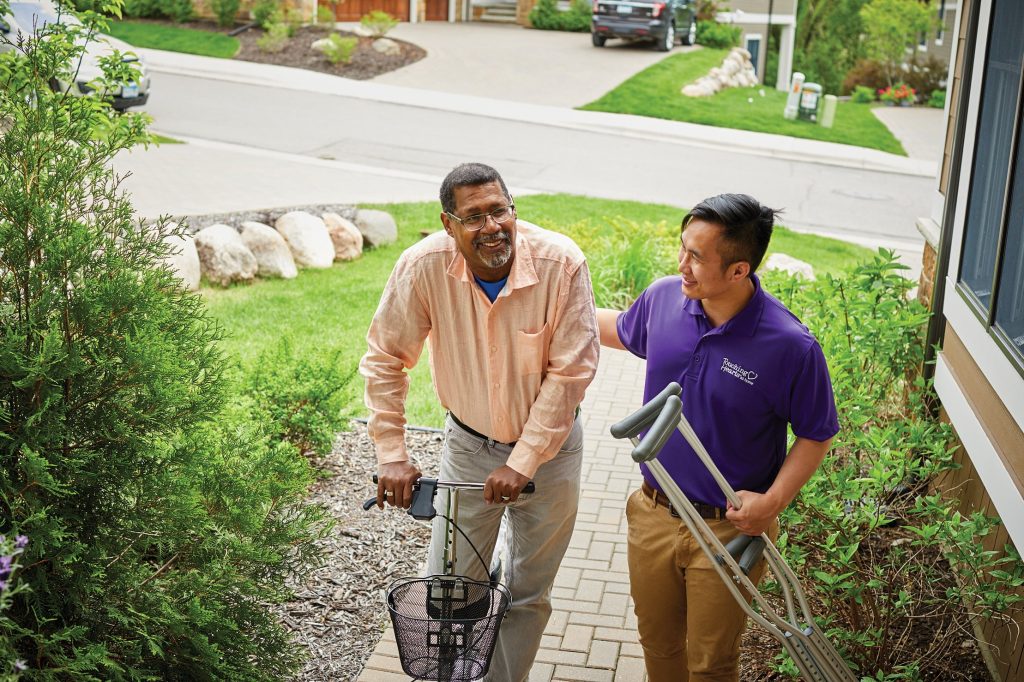
How Home Care Supports Seniors Who No Longer Drive in Johnstown, CO
Losing the ability to drive can be a difficult transition for an older adult. For many seniors, driving represents much more than getting from one place to another. It means independence, spontaneity, familiar routines, and the freedom to visit friends or run errands without asking anyone for help. When driving is no longer a safe option, those everyday freedoms can suddenly feel out of reach.
For adult children, this change can bring a different set of worries. You may wonder how your parent will get to appointments, pick up groceries, attend social gatherings, or manage everyday responsibilities when you cannot always be there. Even when you want to help, balancing work, family, and caregiving can be challenging.
The good news is that giving up driving does not have to mean giving up independence. In-home care can help older adults in Johnstown, Colorado, stay connected to their community, maintain familiar routines, and continue enjoying life at home. With the right support, families can make this transition feel less like a loss of freedom and more like an opportunity to find a new, dependable rhythm.
Why No Longer Driving Can Affect a Senior’s Independence
Driving often becomes part of an older adult’s identity. Your parent may have spent decades driving to the grocery store, attending community events, visiting neighbors, or taking scenic drives along Colorado’s Front Range. Losing that ability can affect daily life in ways families do not immediately recognize.
Everyday errands become more complicated
Tasks that once took a few minutes may require advance planning. A trip to the pharmacy, a stop at the grocery store, or a visit to a favorite local business might depend on a relative’s availability or another transportation arrangement.
When these errands become difficult to coordinate, seniors may postpone them. Over time, that can contribute to an untidy home, fewer fresh groceries, missed opportunities for social interaction, or growing frustration about relying on others.
Social connections may become harder to maintain
Many older adults depend on driving to stay connected with friends, attend faith gatherings, visit relatives, or participate in community activities. Without reliable transportation, invitations may become harder to accept.
A senior who once enjoyed a full calendar may begin spending more time at home simply because getting out requires too much effort. Family members might notice fewer phone calls with friends, less enthusiasm about hobbies, or increasing reluctance to make plans.
Regular companionship and help with outings can make a meaningful difference by giving seniors more opportunities to enjoy the relationships and activities that matter to them.
Family members may feel stretched thin
Adult children often step in to provide rides whenever possible. While this can be a wonderful way to help, frequent trips can become difficult to manage alongside work schedules, school pickups, household responsibilities, and other commitments.
Families may find themselves coordinating every appointment and grocery run. Even siblings who live nearby may struggle to share the responsibility consistently.
In-home care can provide another layer of dependable support, helping families spend more time enjoying their relationships with their parents rather than constantly coordinating logistics.
How In-Home Care Helps Seniors Who No Longer Drive
Home care offers practical, personalized assistance that can help older adults continue living comfortably in familiar surroundings. Rather than requiring a senior to reorganize their life around a new living arrangement, support can be built around their existing routines, preferences, and needs.
For families in Johnstown, home care may help address the everyday challenges that arise when driving is no longer possible.
1. Support with appointments and transportation planning
Medical appointments, dental visits, hair appointments, and other commitments do not stop when someone gives up driving. However, arranging transportation can become one of the most stressful parts of the week.
Depending on the services offered and the agreed-upon care plan, a caregiver may help a senior prepare for appointments, gather necessary belongings, coordinate transportation arrangements, and accompany them when appropriate.
Families should confirm whether transportation or accompanying clients to outings is available through their particular home care provider. When caregiver transportation is not offered, a caregiver may still help coordinate a ride with a family member or another transportation service.
This support can make appointments feel more manageable and help families maintain a clearer picture of their parent’s schedule.
2. Help with grocery shopping and essential errands
Running out of milk, picking up household supplies, or collecting a prescription can become stressful when a senior cannot drive.
A caregiver can help with grocery lists, organize shopping needs, prepare for errands, and assist with shopping arrangements according to the care plan. Depending on the service provided, this might include accompanying the senior to a store or helping organize a delivery.
These small tasks can have a significant impact on everyday comfort. Seniors can continue enjoying familiar meals, keeping essential items available, and making choices about the products they use.
For an older adult who values independence, having help with errands can feel much better than waiting until a family member has a free afternoon.
3. Meal preparation and kitchen support
Reliable access to groceries is only one part of maintaining a comfortable home. Preparing meals can also become more difficult when transportation limitations make shopping challenging.
Home care may include help planning meals, preparing familiar dishes, organizing kitchen supplies, and keeping commonly used items within easy reach.
A caregiver can ask about a senior’s preferences and help maintain the routines that make meals enjoyable. Perhaps your parent likes oatmeal in the morning, soup for lunch, or a favorite family recipe for dinner. Familiar food can bring comfort during a period of adjustment.
Caregivers can also help families notice when groceries are running low or meal preparation seems to be becoming more difficult, sharing relevant observations through the provider’s established communication process.
4. Companionship that reduces isolation
One of the most overlooked effects of losing driving privileges is the potential loss of spontaneous social contact.
A senior may no longer stop by a neighbor’s home, meet a friend for coffee, or attend a familiar gathering without arranging transportation. Even someone who enjoys spending time alone may miss having regular opportunities to connect with others.
Companion care provides social interaction through conversation, shared activities, hobbies, games, reading, and other enjoyable routines. When included in the care plan, a caregiver may also accompany a senior on appropriate outings.
For example, an older adult in Johnstown might enjoy spending time talking over coffee, working on a puzzle, looking through family photographs, or taking a short walk when conditions are suitable.
These moments are not simply ways to pass the time. They help preserve a sense of connection, familiarity, and participation in everyday life.
5. Assistance with household tasks
When driving becomes difficult, seniors may also find it harder to keep up with household responsibilities. They might run short on cleaning supplies, delay laundry, or struggle to carry groceries and other items around the home.
Homemaker services can help with light housekeeping, laundry, tidying, and other agreed-upon household tasks.
A caregiver might help change bed linens, organize frequently used kitchen items, tidy common areas, or prepare the home for the week ahead. The specific tasks depend on the senior’s needs and the provider’s service offerings.
A clean, organized living space can make daily routines feel easier and reduce the frustration of trying to manage everything alone.
6. Help maintaining daily routines
Losing the ability to drive can disrupt more than transportation. It may change when a senior wakes up, eats meals, shops, exercises, or sees other people.
A consistent home care schedule can help restore some predictability. Visits might focus on preparing breakfast, completing household tasks, planning errands, enjoying companionship, or getting ready for an appointment.
The goal is not to take control of a senior’s day. It is to provide assistance where needed while allowing the individual to make choices about how they want to spend their time.
For families, this can also make it easier to recognize changes in routines and discuss additional support if circumstances evolve.
Why Local Support Matters for Seniors in Johnstown, Colorado
Johnstown offers a community-oriented setting along Colorado’s Front Range, with access to neighboring Northern Colorado communities and the services they provide. Yet getting from one destination to another can still require planning, particularly for an older adult who no longer drives.
Family members may live in another town, work outside the home, or have limited flexibility during business hours. A transportation plan that worked well for a few weeks may become difficult to sustain over several months.
Planning for Colorado weather
Colorado’s changing weather can make outings more complicated. Winter snow, icy sidewalks, freezing temperatures, and sudden changes in conditions may make travel less comfortable for seniors with mobility concerns.
A caregiver can help families plan ahead by checking that an outing is appropriate for the day’s conditions, preparing needed items, and helping with indoor activities when going out is not advisable. Families should also consider backup transportation arrangements for essential appointments during winter weather.
During warmer months, afternoon heat and strong sunshine can influence the best time for outdoor activities. Having flexible support can help seniors enjoy appropriate outings without feeling pressured to travel in uncomfortable conditions.
Considering nearby destinations
Depending on a senior’s preferences and transportation options, important destinations may include local shops, healthcare offices, community activities, or appointments in nearby Northern Colorado communities.
Before arranging caregiver-supported outings, families should identify the locations their parent visits most often and determine how each trip will be handled. This can include confirming whether a caregiver can accompany the senior, whether a separate driver is needed, and how much time the outing may require.
For personalized guidance about services in Johnstown, families can also identify the hospital/clinic their parent visits and discuss any appointment-related assistance that may be helpful.
Local planning makes it easier to build a routine around the senior’s actual life rather than relying on a generic transportation plan.
How to Help Your Parent Adjust to Life Without Driving
The emotional side of this transition deserves as much attention as the practical details. Your parent may understand why driving is no longer the right choice and still feel disappointed, embarrassed, or frustrated.
Approaching the change with patience can help preserve trust and make it easier to accept assistance.
Start with your parent’s priorities
Instead of immediately creating a list of transportation problems to solve, ask your parent what they miss most about driving.
Perhaps they want to continue attending a weekly gathering, shop for their own groceries, or visit a longtime friend. Understanding these priorities helps the family focus on what matters most.
You might say, “I know being able to come and go when you want is important to you. Let’s figure out how we can make it easier for you to keep doing the things you enjoy.”
This approach recognizes your parent’s feelings without making the conversation about what they can no longer do.
Offer choices instead of taking over
A senior who has recently stopped driving may already feel that some control has been taken away. Having other people make every decision can make that feeling worse.
Whenever possible, let your parent choose the days for outings, the errands they want help with, and the activities they would like to continue.
A caregiver can support those preferences by helping organize the day and completing agreed-upon tasks together. Small choices can help an older adult maintain a sense of ownership over their life.
Introduce home care gradually
Some seniors hesitate to welcome a caregiver because they believe accepting help means losing independence. Explain that home care is intended to support their abilities, not replace them.
You might begin with a few hours of companionship, meal preparation, or assistance with household tasks. If transportation-related needs are part of the arrangement, those can be discussed as well.
As your parent becomes comfortable with the caregiver, the family can evaluate whether the schedule provides enough support.
The right approach respects your parent’s pace while making sure important needs are not overlooked.
Building a Practical Transportation and Home Care Plan
A good plan does not depend on one person being available for every ride. It combines different resources so that your parent has dependable ways to manage essential appointments, errands, and social activities.
Identify the trips that matter most
Begin by listing the places your parent visits regularly. Organize them by frequency and importance.
For example:
- Essential appointments: Primary care visits, dental appointments, and other scheduled healthcare services.
- Weekly errands: Grocery shopping, pharmacy pickups, and household supplies.
- Social activities: Visits with friends, community gatherings, and favorite hobbies.
- Occasional outings: Family celebrations, seasonal events, and special appointments.
This simple list helps everyone understand the actual transportation needs rather than making last-minute arrangements each time a trip comes up.
Decide which tasks need hands-on help
Not every transportation need requires the same solution. Your parent might be comfortable using a delivery service for groceries but prefer a companion for an in-person appointment.
Consider whether they need help getting ready, remembering appointment details, carrying bags, navigating an unfamiliar location, or feeling comfortable while out in the community.
Discuss these needs with the home care provider so the agreed-upon plan reflects the assistance that can actually be provided.
Create a backup plan
Weather, scheduling changes, and unexpected family obligations can disrupt transportation. Planning for these situations ahead of time can reduce stress.
Keep a shared calendar with appointment dates, pickup arrangements, and contact information for the people involved. Identify an alternative ride for important appointments when possible.
Families may also explore available community transportation programs or local public transportation options, confirming eligibility, service areas, advance-booking requirements, and whether assistance is available for passengers who need extra support.
Home care can complement these resources, but families should confirm transportation responsibilities and service limits before relying on a particular arrangement.
Review the plan as needs change
A transportation plan that works today may need adjustments later. Your parent might begin attending more activities, need more help preparing for outings, or become less comfortable traveling independently.
Check in regularly to ask what is working and where the current arrangement falls short. A flexible plan can help your parent continue participating in daily life without creating unnecessary pressure for family members.
Signs Your Parent May Need More Support at Home
Giving up driving does not automatically mean an older adult needs home care. Many seniors adjust well by combining family assistance, deliveries, and other transportation options.
However, the change can reveal challenges that were previously less noticeable.
Watch for signs such as:
- Your parent frequently runs out of groceries or essential household items.
- Medical or dental appointments are postponed because transportation is difficult.
- They have stopped attending activities or seeing friends they previously enjoyed.
- Household chores and laundry are becoming harder to manage.
- They seem increasingly anxious about asking family members for rides.
- You are receiving frequent requests for last-minute help that are difficult to accommodate.
- Your parent appears less confident managing daily routines without a car.
These observations do not necessarily indicate a serious problem. They can, however, be useful starting points for a family conversation about what additional assistance might make everyday life easier.
If you notice a sudden change in your parent’s ability to manage daily activities, discuss your concerns with an appropriate healthcare professional. Non-medical home care can help with everyday routines and companionship, but it does not replace medical evaluation or treatment.
Choosing the Right Home Care Support in Johnstown
Every senior has different priorities. One person may need only occasional help with errands and companionship, while another may benefit from more regular assistance with meals, housekeeping, and daily routines.
When considering a home care provider, ask questions that clarify what support your parent can expect.
Questions worth asking a home care agency
- What companionship and homemaker services are available?
- Can caregivers accompany seniors on outings or appointments?
- Is caregiver-provided transportation available, or must families arrange a separate driver?
- Can visits be scheduled around recurring appointments and errands?
- How does the agency communicate observations or changing needs to family members?
- Can the care schedule be adjusted if the senior needs more or less assistance?
- What happens if a scheduled caregiver becomes unavailable?
Clear answers help families understand the scope of service and avoid assumptions about transportation arrangements.
It is also helpful to discuss your parent’s personality, interests, routines, and preferences. A compatible caregiver can make the experience feel more natural, especially when a senior is adjusting to accepting help from someone new.
How Touching Hearts at Home can help
Touching Hearts at Home provides non-medical home care focused on companionship, everyday assistance, and helping older adults remain as independent as possible.
For families exploring support in Johnstown, services may include companionship, meal preparation, light housekeeping, and assistance with daily routines, depending on the local office’s offerings and the agreed-upon care plan.
When transportation is a primary concern, ask specifically about help with outings, appointment accompaniment, and any applicable transportation arrangements. These details should be confirmed before services begin.
The aim is to create a practical support plan that respects your parent’s preferences while helping your family feel more confident about day-to-day responsibilities.
Helping Your Parent Stay Connected Without Driving
When a parent stops driving, it is natural to focus first on how they will get from one place to another. But the larger goal is to help them continue living a satisfying, connected life.
Reliable support can make it easier to maintain familiar routines, enjoy meals, keep the home comfortable, and preserve opportunities for friendship and community involvement. It can also relieve some of the pressure on family members who want to help but cannot always be available.
For older adults in Johnstown, the transition can be approached one step at a time. Start with the activities your parent values most, identify the practical barriers, and explore a combination of family help, appropriate transportation options, and in-home support.
Your parent may no longer be behind the wheel, but they can still have meaningful choices about how to spend their time, who they see, and what makes each day worthwhile.
Frequently Asked Questions
Here are answers to common questions families ask when a loved one in Johnstown no longer drives.
Can a home caregiver take my parent to doctor appointments?
Possibly, depending on the provider’s services and policies. Some arrangements may include accompanying a senior to appointments, while transportation itself may need to be arranged separately. Confirm whether caregiver transportation is offered, what arrangements are permitted, and whether additional charges apply.
What if my parent refuses help because they want to remain independent?
Begin by acknowledging how difficult it can be to give up driving. Focus on the activities your parent wants to continue rather than presenting home care as a solution to everything they can no longer do. A short visit focused on companionship or a favorite household routine may feel more comfortable than a broad change in daily support.
Can home care help seniors who live alone in Johnstown?
Home care may be a helpful option for seniors who live alone and need assistance with companionship, light housekeeping, meal preparation, or other everyday tasks. The appropriate schedule depends on the person’s needs, preferences, and available services. Families should also establish a plan for emergencies and needs that fall outside non-medical home care.
Does a caregiver provide transportation in snowy weather?
Transportation policies and the ability to complete outings depend on the provider, the care plan, and current conditions. Winter roads and icy walkways can make travel unsafe, so families should confirm arrangements in advance and have alternatives for days when travel is not advisable.
How often should a caregiver visit a senior who no longer drives?
There is no single schedule that works for every senior. Some may benefit from occasional visits for errands or companionship, while others need several visits each week to maintain routines and social connections. Start by identifying your parent’s needs and reviewing the schedule periodically as circumstances change.
Is home care only for seniors who need help with personal care?
No. Non-medical home care can also provide companionship, help with meals, light housekeeping, and support with everyday routines. A senior who manages personal care independently may still appreciate assistance with errands, household tasks, or staying socially connected.
If you’re feeling unsure about your parent’s needs, Touching Hearts offers a free, no-pressure in-home consultation in Johnstown. We’re here to support your family every step of the way.