
How In-Home Care Helps Reduce Hospital Readmissions in Windsor
When an aging parent returns home after a hospital stay, it’s normal for families in Windsor to feel a mix of relief and concern. You may notice your parent is more tired than usual, moving slower, or uncertain about their medications and routines. Many seniors struggle during this period of recovery, especially with Windsor’s snowy and icy roads, unpredictable winter weather, and the effort required to get to follow-up appointments.
Unfortunately, this transition home is also when older adults face the highest risk of being readmitted to the hospital. The good news is that with the right support, your parent can recover safely and confidently at home. In-home care plays a powerful role in helping seniors stay out of the hospital and avoid preventable complications.
This guide explains how home care supports safer recoveries for Windsor seniors and helps reduce hospital readmissions.
The Critical First Days After a Hospital Discharge
The first few days at home are often the most vulnerable. Seniors may feel weak from hospitalization, overwhelmed by discharge instructions, or uncertain about new medications.
Common challenges include:
-
Fatigue or weakness
-
Confusion about medication schedules
-
Difficulty preparing meals
-
Fall risks inside or outside the home
-
Trouble getting to follow-up appointments at UCHealth Medical Center of the Rockies or other nearby hospitals/clinics
-
Fear of returning to the hospital
In-home care gives your parent the steady support they need to transition safely.
Medication Reminders to Prevent Missed Doses
Many hospital readmissions happen simply because medications are missed, doubled, or taken at the wrong time.
Caregivers help by:
-
Providing gentle, timely reminders
-
Keeping medications organized
-
Helping your parent stick to consistent routines
-
Noticing side effects or changes in behavior
This compassionate support brings structure to the day—and prevents dangerous mistakes.
Fall Prevention During Recovery
After a hospital stay, seniors are often weaker, dizzy, or unsteady. Combine that with winter conditions and Windsor’s snowy and icy roads, and the risk of a fall increases significantly.
Caregivers help reduce these risks by:
-
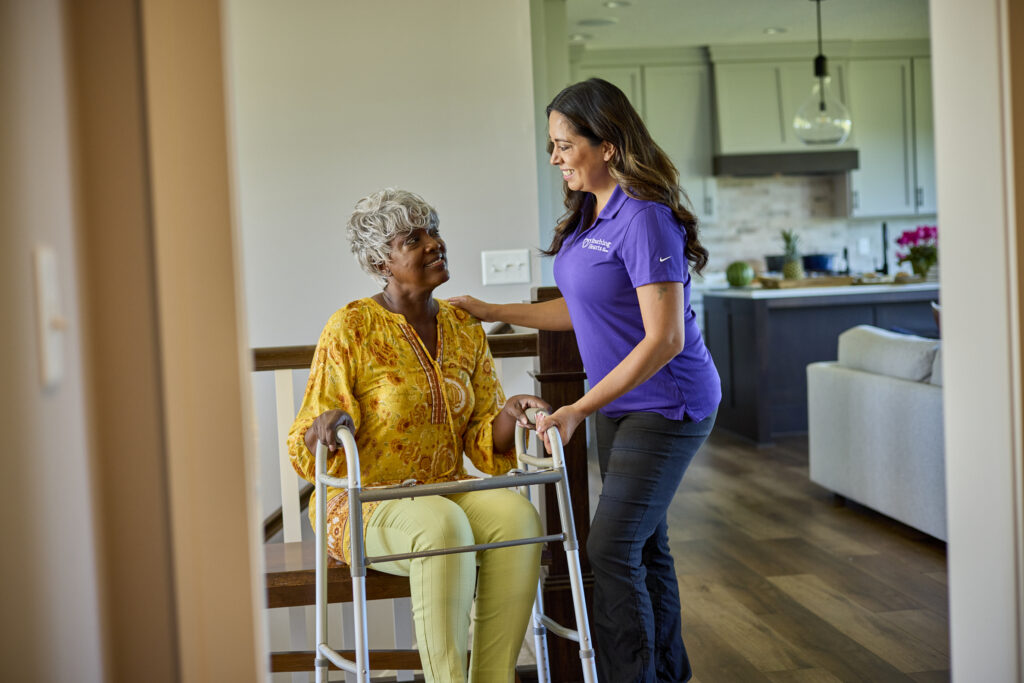
Offering steady mobility support
-
Keeping pathways clear and tidy
-
Assisting with transfers and walking
-
Helping seniors avoid hazardous outdoor areas
-
Ensuring the home is well lit and free of clutter
By preventing falls, caregivers reduce one of the most common reasons seniors return to the hospital.
Support With Daily Activities
Hospital recovery takes energy—and many seniors simply don’t have enough stamina during the first few weeks at home.
In-home caregivers support:
-
Bathing and grooming
-
Dressing and safe footwear
-
Meal preparation and hydration
-
Light housekeeping and laundry
-
Safe bathroom routines
-
Comfortable mobility throughout the home
These small forms of support promote healing and help your parent conserve their strength.
Healthy Meals That Support Recovery
A nutritious diet is essential after a hospital stay, but many seniors struggle to cook for themselves—especially when recovering from illness or surgery.
Caregivers can:
-
Prepare warm, balanced meals
-
Encourage hydration
-
Help with grocery shopping
-
Reduce the risk of skipped meals
Families often notice improved energy and mood once their parent is eating consistently again.
Transportation to Follow-Up Appointments
Follow-up visits are critical, yet many seniors risk missing them due to mobility challenges, bad weather, or fear of snowy and icy roads.
In-home caregivers can:
-
Provide safe transportation when conditions allow
-
Accompany your parent to appointments
-
Help them stay on schedule for therapy or medical follow-ups
-
Offer companionship and reassurance on appointment days
This reduces avoidable complications that often lead to readmission.
Emotional Reassurance and Confidence
Returning home after a hospitalization can feel overwhelming. Seniors may feel nervous, lonely, or afraid of making mistakes.
Caregivers offer:
-
Encouraging companionship
-
Conversation and emotional support
-
Help easing anxiety about recovery
-
Motivation to stay active and engaged
This emotional stability often contributes to a smoother recovery.
Monitoring Changes and Communicating Concerns
Caregivers are trained to notice when something “just isn’t right.”
They may observe:
-
Changes in appetite or behavior
-
Difficulty breathing or increased fatigue
-
Worsening mobility
-
Unusual confusion
-
New pain or discomfort
Prompt communication with families allows issues to be addressed early—before they become emergencies.
Supporting Family Caregivers Too
Hospital recoveries can be stressful for families. You may be juggling work, children, and caregiving responsibilities, all while worrying about your parent.
Home care offers relief by:
-
Taking over daily tasks
-
Monitoring safety
-
Providing updates
-
Helping maintain a steady routine
-
Giving family caregivers time to rest
With fewer demands on your plate, you can focus on being present emotionally rather than feeling overwhelmed.
Why In-Home Care Works for Windsor Seniors
Windsor’s spread-out neighborhoods, winter conditions, and distance from major medical centers make home support especially valuable.
In-home care helps reduce readmissions by:
-
Supporting safe mobility
-
Providing medication reminders
-
Ensuring proper nutrition
-
Reducing isolation
-
Maintaining appointments
-
Offering steady day-to-day structure
This personalized support helps seniors recover at home—confidently, comfortably, and safely.
Frequently Asked Questions
How soon after discharge can care begin?
Often within a day or two. Many families arrange care before the hospital discharge date.
Can caregivers help during severe winter weather?
Yes, as long as conditions allow, caregivers can provide mobility support, indoor assistance, and transportation when safe.
Do caregivers report concerns?
Absolutely. Caregivers communicate changes to supervisors and families promptly.
Is this type of care medical?
No. It is non-medical support that complements a doctor’s or nurse’s instructions.
Does home care replace follow-up visits?
No. It helps ensure your parent attends every appointment and follows recovery instructions.
If you’re feeling unsure about your parent’s needs, Touching Hearts offers a free, no-pressure in-home consultation in Windsor. We’re here to support your family every step of the way.