How In-Home Care Reduces Hospital Readmissions for Seniors in Greeley
A hospital stay can be frightening—for seniors and for the families who love them. Even after discharge, many adult children in Greeley find themselves on edge, worrying about whether their parent will recover safely at home or end up back in the hospital within weeks.
Those concerns are valid. The period immediately after discharge is one of the most vulnerable times for older adults. New medications, limited strength, confusion about instructions, and lack of daily support can all increase the risk of readmission.
In this article, we’ll explore how in-home care helps reduce hospital readmissions for seniors in Greeley, what challenges families commonly face after discharge, and how having the right support at home can make recovery safer and more successful.
Why Hospital Readmissions Are So Common for Seniors
Hospital readmissions often aren’t caused by a single issue. Instead, they usually happen when small gaps in care add up.
The Challenges Seniors Face After Discharge
When a senior returns home from the hospital, they may be dealing with:
-
Weakness or reduced mobility
-
Confusion about medications or follow-up instructions
-
Pain or fatigue that limits daily activities
-
Fear of falling or reinjury
-
Difficulty managing meals, hygiene, or household tasks
In Greeley and across the Fort Collins region, seniors may also face challenges related to winter weather, limited transportation, or living alone—all of which can complicate recovery.
Why Families Often Feel Overwhelmed
Adult children often want to help but may not be able to be present around the clock. Balancing work, family responsibilities, and caregiving can make it difficult to provide consistent support during recovery.
Without extra help, important details can be missed, increasing the likelihood of a return to the hospital.
How In-Home Care Supports Safer Recoveries
In-home care provides hands-on support during the critical transition from hospital to home.
Reinforcing Discharge Instructions at Home
After a hospital stay at UCHealth Greeley Hospital, seniors are often sent home with detailed instructions. These can be overwhelming, especially when someone is tired or not feeling well.
In-home caregivers help by:
-
Supporting daily routines outlined in discharge plans
-
Encouraging rest and gradual activity
-
Helping seniors follow post-hospital guidelines consistently
This reinforcement helps prevent complications that could lead to readmission.
Medication Support and Routine Monitoring
Medication changes are one of the most common reasons seniors return to the hospital. New prescriptions, dosage adjustments, or missed doses can quickly cause problems.
Caregivers assist by:
-
Providing medication reminders
-
Noticing side effects or changes in condition
-
Communicating concerns to family members
This extra layer of attention can make a meaningful difference during recovery.
Fall Prevention and Safety at Home
Falls are a leading cause of hospital readmissions among older adults.
Reducing Fall Risks During Recovery
After a hospital stay, seniors are often weaker or unsteady. In-home care helps reduce fall risks by:
-
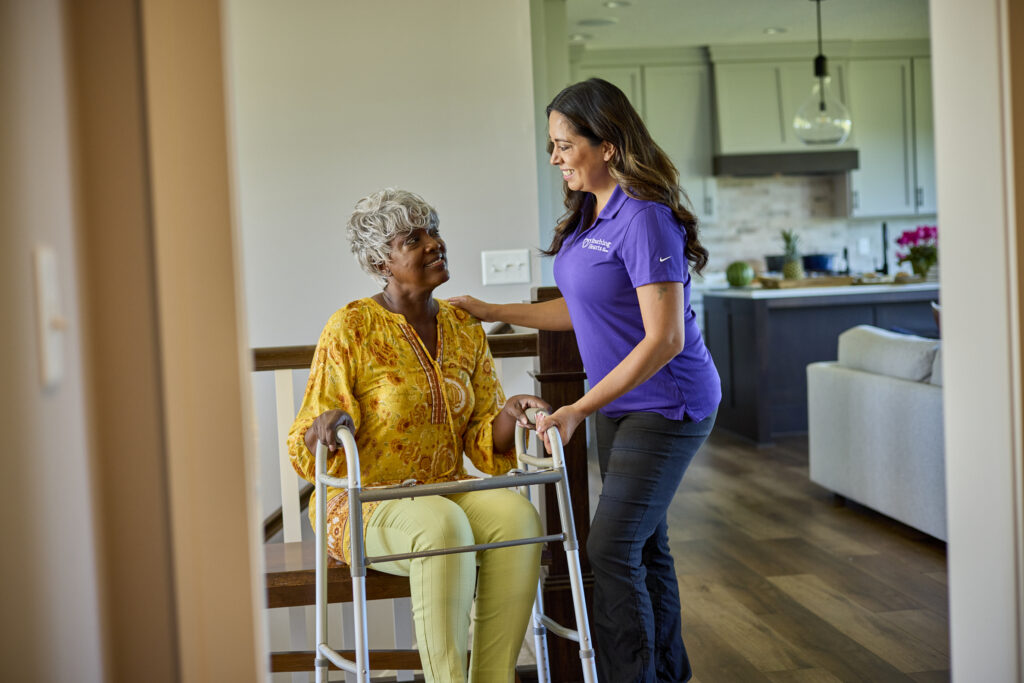
Assisting with safe movement and transfers
-
Identifying hazards like loose rugs or poor lighting
-
Offering supervision during high-risk activities
In Greeley, winter conditions such as snow and ice can further increase fall risks, making indoor safety especially important during recovery months.
Supporting Confidence and Mobility
Caregivers don’t just focus on safety—they also encourage seniors to regain confidence. With support, many seniors feel more secure moving around their home, which promotes healing rather than fear-based inactivity.
Nutrition, Hydration, and Strength Building
Recovery depends heavily on proper nutrition and hydration, yet these needs are often overlooked.
Helping Seniors Eat and Drink Well
After hospitalization, appetite may be low or energy for cooking limited. Caregivers can help with:
-
Preparing simple, nourishing meals
-
Encouraging regular hydration
-
Supporting consistent mealtimes
Good nutrition helps rebuild strength and reduces the risk of complications that could lead to another hospital visit.
Conserving Energy While Healing
Caregivers assist with daily tasks like light housekeeping and laundry, allowing seniors to focus their energy on healing instead of exhausting chores.
Emotional Support and Reduced Stress
Emotional well-being plays a larger role in recovery than many families realize.
Easing Anxiety After a Hospital Stay
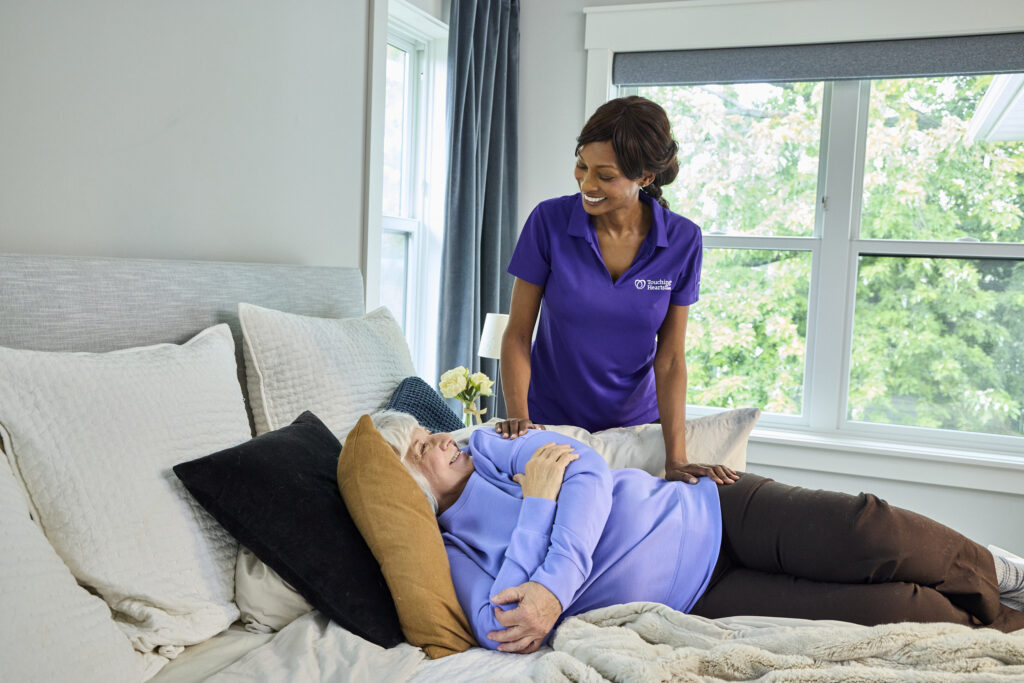
Seniors may feel anxious about being alone or worried about their health after discharge. Having a caregiver present provides reassurance and companionship during a vulnerable time.
Reduced stress can lead to better sleep, improved mood, and more successful recovery.
Supporting Family Peace of Mind
Families often feel relief knowing someone is checking in regularly. This peace of mind allows adult children to focus on their own responsibilities while staying informed about their parent’s progress.
Coordination With Follow-Up Care
Missed appointments and lack of follow-through can increase readmission risk.
Helping Seniors Stay on Track
In-home caregivers can help seniors:
-
Prepare for follow-up appointments
-
Remember important dates or instructions
-
Maintain routines between visits with providers
This consistency supports smoother transitions and better outcomes.
Why In-Home Care Makes a Difference in Greeley
Greeley families often face unique logistical challenges, including travel distances, work schedules, and weather-related obstacles.
In-home care bridges these gaps by providing consistent, local support right where seniors need it most—at home.
Frequently Asked Questions
Families often ask how in-home care fits into post-hospital recovery.
Does in-home care replace medical care?
No. In-home care supports daily living and recovery but does not replace medical providers. It complements medical care by helping seniors follow recommendations at home.
How soon can in-home care start after discharge?
In many cases, care can begin shortly after discharge, depending on availability and your family’s needs.
Is in-home care only for long recoveries?
Not at all. Even short-term support during the first few weeks after discharge can reduce readmission risk.
Can in-home care help after multiple hospital stays?
Yes. Ongoing support can be especially helpful for seniors with a history of readmissions.
Will families be kept informed?
Yes. Clear communication helps families stay updated on how their loved one is doing at home.
Supporting Safer Recoveries at Home
Hospital readmissions can often be prevented with the right support in place. In-home care helps seniors recover more safely, follow post-discharge plans, and regain confidence at home—while easing stress for families.
If you’re feeling unsure about your parent’s needs, Touching Hearts offers a free, no-pressure in-home consultation in Greeley. We’re here to support your family every step of the way.