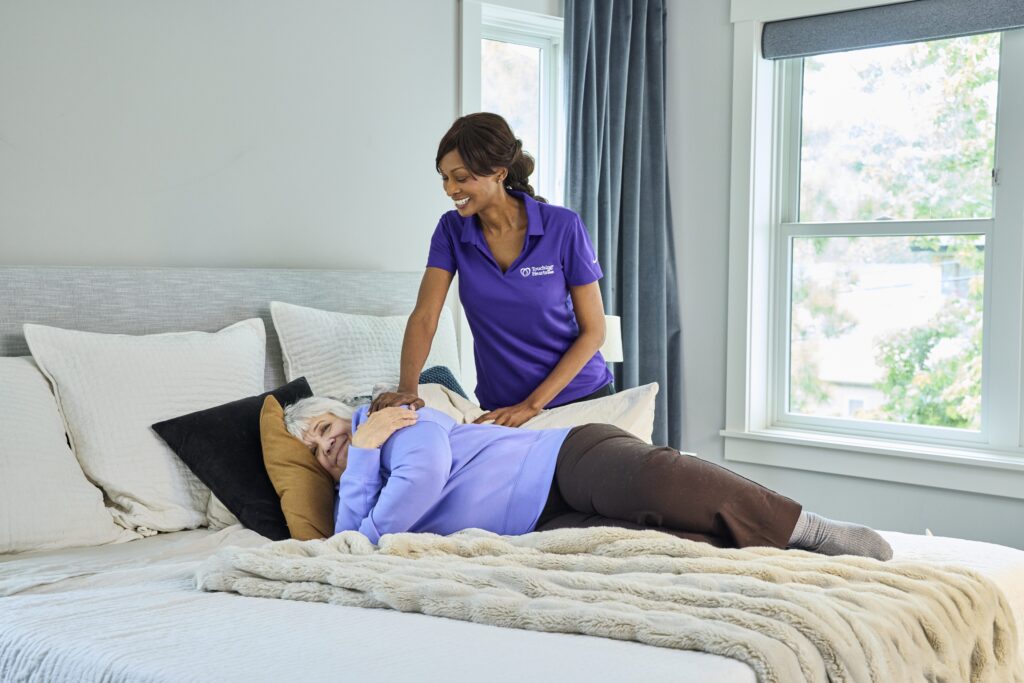

How In-Home Care Reduces Hospital Readmissions in Fort Collins
A hospital discharge can bring relief—but it often comes with new worries. Many families in Fort Collins feel anxious after a parent returns home, wondering if they’ll recover safely or end up back in the hospital within weeks.
Hospital readmissions are common among older adults, especially when recovery continues at home without enough support. Missed medications, limited mobility, poor nutrition, or confusion about discharge instructions can quickly lead to setbacks.
In-home care plays an important role in helping seniors recover safely at home. With the right support, families can reduce the risk of readmission while giving their loved one comfort, dignity, and stability during a vulnerable time.
Why Hospital Readmissions Are a Common Concern for Seniors
After a hospital stay, seniors are often weaker, more fatigued, and more vulnerable than before. Even routine tasks—standing up, preparing meals, or remembering instructions—may feel overwhelming.
In Fort Collins and across the region, families may face additional challenges such as winter weather, long travel distances, or busy schedules that make frequent check-ins difficult. Without consistent support, small issues can quickly escalate into emergencies.
Hospital readmissions are not always caused by medical complications alone. Many are linked to gaps in daily care once a patient returns home.
Common Reasons Seniors Are Readmitted to the Hospital
Understanding why readmissions happen helps families prevent them. Common causes include:
-
Missed or incorrect medications
-
Falls or mobility-related injuries
-
Dehydration or poor nutrition
-
Infections due to missed warning signs
-
Confusion about follow-up instructions
-
Lack of transportation to appointments
In-home care focuses on these everyday risks that often fall outside of medical treatment but have a major impact on recovery.
How In-Home Care Supports Safe Recovery at Home
Medication Reminders and Routine Support
After discharge, medication schedules often change. In-home caregivers provide reminders and help seniors stay on track, reducing the risk of missed doses or confusion.
This support is especially helpful for seniors managing multiple prescriptions after a stay at the hospital or another local facility.
Fall Prevention and Mobility Assistance
Falls are one of the leading causes of readmission. Caregivers assist with safe movement, transfers, and walking, while also helping reduce home hazards.
In Fort Collins, icy walkways and winter conditions can increase fall risks, making extra support especially valuable during recovery.
Nutrition and Hydration Monitoring
Healing requires proper nutrition and hydration, yet many seniors struggle to cook or eat regularly after hospitalization.
Caregivers can prepare meals, encourage fluids, and ensure regular eating routines—supporting strength and energy levels during recovery.
Early Detection of Concerning Changes
Noticing Small Changes Before They Become Big Problems
Caregivers often spend more time with seniors than family members can. This allows them to notice subtle changes in behavior, energy, appetite, or mobility.
Early awareness gives families time to respond before a situation requires emergency care.
Communicating With Families
In-home care includes ongoing communication with family members. Updates about changes or concerns help families make informed decisions quickly.
This extra layer of awareness can prevent unnecessary hospital visits.
Supporting Discharge Instructions and Follow-Up Care
Helping Seniors Follow Care Plans
Discharge instructions can be confusing, especially after a stressful hospital stay. In-home caregivers help reinforce daily routines aligned with those instructions.
This consistency supports recovery without overwhelming the senior.
Transportation to Follow-Up Appointments
Missing follow-up appointments increases the risk of complications. Caregivers can provide transportation and reminders, helping seniors stay connected to their healthcare team.
For families juggling work and distance, this support is often crucial.
Reducing Stress and Anxiety After Hospitalization
Emotional Support During Recovery
Hospital stays can be frightening. Anxiety and confusion are common, especially for older adults.
Companionship and reassurance from a caregiver help seniors feel calmer and more confident at home—factors that support healing.
Creating a Predictable Routine
Routine reduces stress. In-home care helps establish consistent daily patterns for meals, rest, and activity, which supports both physical and emotional recovery.
How In-Home Care Supports Family Caregivers
Peace of Mind for Adult Children
Many adult children in Fort Collins feel torn between their own responsibilities and concern for a recovering parent. In-home care offers reassurance that someone is there when you cannot be.
Preventing Caregiver Burnout
Supporting a parent after hospitalization can be intense. Having professional help reduces exhaustion and allows families to focus on encouragement rather than constant monitoring.
When In-Home Care Is Most Helpful After a Hospital Stay
In-home care can be especially beneficial when a senior:
-
Has limited mobility or balance concerns
-
Is managing new medications
-
Lives alone
-
Has memory challenges
-
Feels anxious or overwhelmed after discharge
Care does not have to be long-term. Many families use short-term in-home care during recovery, adjusting support as strength returns.
Coordinating Care With Local Providers
While in-home care is non-medical, it complements medical treatment by supporting daily needs. Coordination with healthcare providers at UCHealth Poudre Valley Hospital and other Fort Collins resources helps ensure continuity and clarity.
This teamwork approach often leads to smoother recoveries and fewer setbacks.
A Proactive Step Toward Safer Recovery
Preventing hospital readmissions is not just about avoiding another stay—it’s about protecting quality of life. Recovering at home with the right support helps seniors heal in comfort while reducing stress for the entire family.
In-home care fills the gap between medical treatment and daily living, addressing the small but critical details that make recovery successful.
If you’re feeling unsure about your parent’s needs, Touching Hearts offers a free, no-pressure in-home consultation in Fort Collins. We’re here to support your family every step of the way.
Frequently Asked Questions
Is in-home care medical care?
No. In-home care is non-medical and focuses on daily support, safety, and routines that complement medical treatment.
Can in-home care start immediately after discharge?
Often, yes. Planning ahead allows care to begin as soon as your loved one returns home.
How long is in-home care needed after hospitalization?
It varies. Some families use care for a few weeks, while others continue longer based on recovery progress.
Does in-home care replace family involvement?
Not at all. It supports families by sharing responsibility and reducing stress.
Can in-home care really reduce readmission risk?
Yes. By addressing daily risks like falls, missed medications, and poor nutrition, in-home care helps prevent common causes of readmission.