How In-Home Care Reduces Hospital Readmissions in Loveland, Colorado
A hospital discharge can feel like a relief—and a new source of worry—at the same time. Many families in Loveland hope their parent will recover smoothly at home, only to find themselves back in the hospital weeks later due to a fall, missed medications, or complications that could have been prevented.
Hospital readmissions are common among older adults, especially during the vulnerable transition from hospital to home. The good news is that in-home care plays a powerful role in reducing readmissions, helping seniors recover safely while giving families peace of mind.
This article explains how in-home care supports recovery after hospitalization and why it can make a meaningful difference for seniors in Loveland.
Why Hospital Readmissions Happen So Often
The period right after discharge is one of the riskiest times for seniors.
Common reasons for readmission include:
-
Confusion about discharge instructions
-
Missed medications or incorrect dosing
-
Falls or mobility issues
-
Poor nutrition or dehydration
-
Lack of follow-up care
Even motivated, capable seniors can struggle to manage everything on their own during recovery.
The Challenges of Recovering at Home Alone
Hospitals often discharge patients once they’re medically stable—but that doesn’t mean they’re fully ready to manage daily life independently.
Gaps Families Often Don’t Expect
After returning home, seniors may face:
-
Fatigue and weakness
-
Difficulty bathing or dressing safely
-
Trouble preparing meals
-
Confusion about new routines
Without support, small issues can escalate into emergencies.
How In-Home Care Supports a Safer Recovery
In-home care bridges the gap between hospital care and full independence.
Caregivers provide non-medical support that helps seniors follow recovery plans and avoid setbacks.
Help Understanding and Following Discharge Instructions
Hospital instructions can be overwhelming.
Caregivers help by:
-
Reinforcing daily routines
-
Supporting follow-through on instructions
-
Watching for warning signs that families may miss
This consistent support helps prevent mistakes that lead to readmission.
Medication Reminders and Routine Support
Medication changes are a major cause of hospital returns.
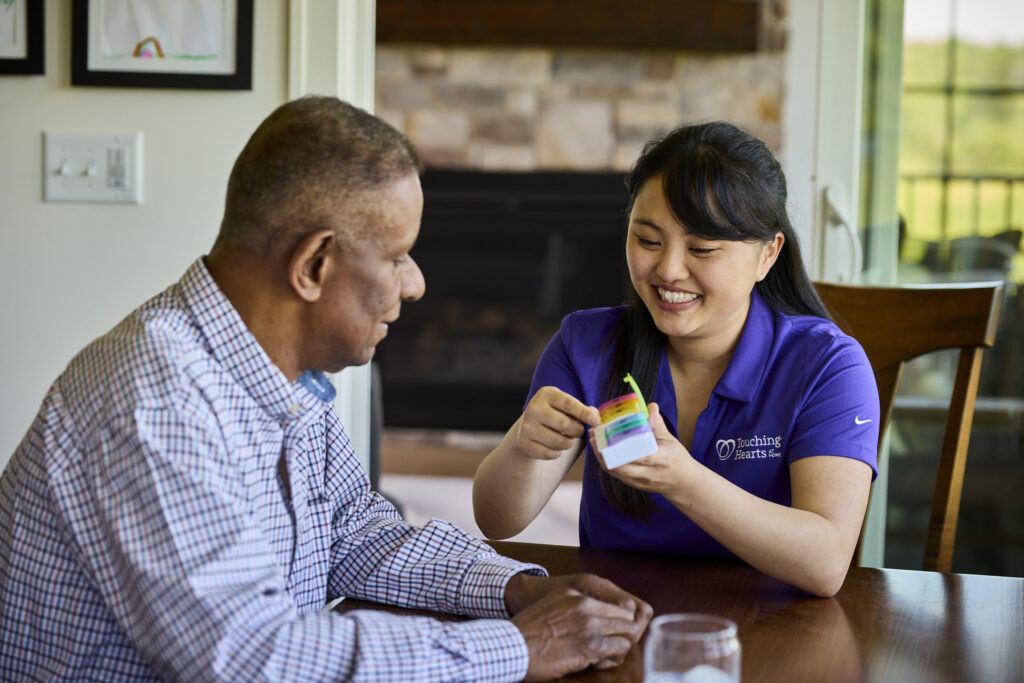
In-home care helps seniors:
-
Take medications on schedule
-
Avoid missed or duplicated doses
-
Maintain consistent daily routines
This structure is especially helpful after a visit to the hospital, when medication regimens often change.
Reducing Fall Risk After Discharge
Falls are one of the leading causes of hospital readmissions.
Extra Support During a Vulnerable Time
After hospitalization, seniors may be:
-
Weaker than usual
-
Unsteady on their feet
-
Nervous about moving around
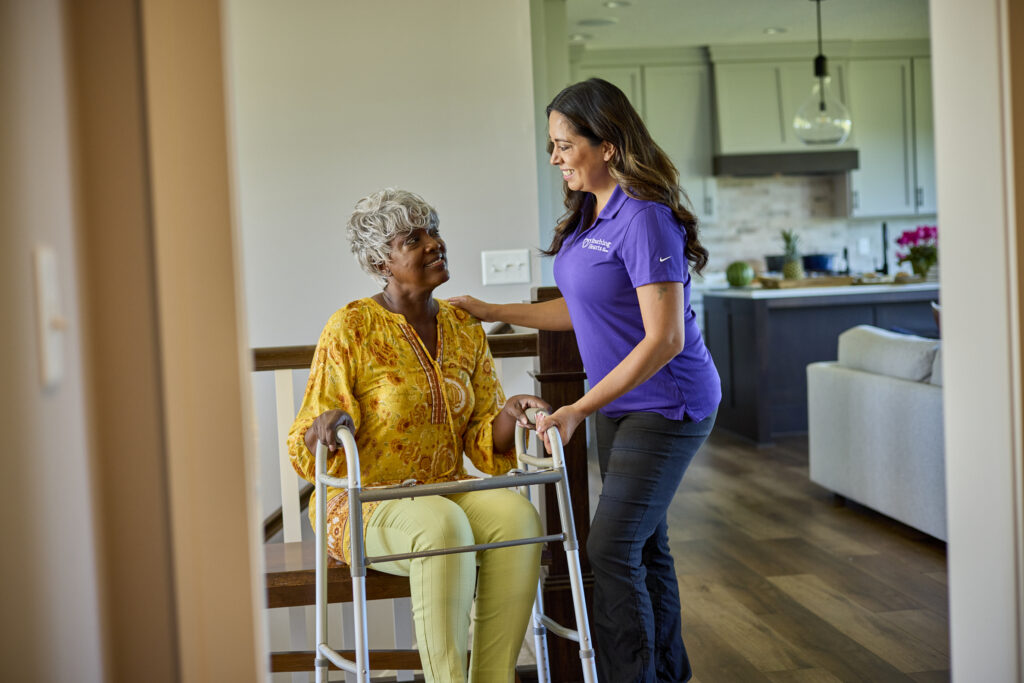
Caregivers assist with:
-
Safe mobility and transfers
-
Keeping walkways clear
-
Monitoring balance and fatigue
These supports are especially important during winter, when icy conditions increase fall risk in Loveland.
Supporting Proper Nutrition and Hydration
Healing requires fuel, but appetite and energy are often low after illness.
How Caregivers Help With Meals
In-home caregivers can:
-
Prepare simple, nourishing meals
-
Encourage hydration
-
Ensure regular eating habits
Proper nutrition supports healing and reduces complications that can lead to hospital returns.
Monitoring Changes and Catching Problems Early
One of the most valuable benefits of in-home care is early observation.
Spotting Red Flags Before They Escalate
Caregivers may notice:
-
Increased confusion
-
Changes in mobility
-
Appetite loss
-
New pain or discomfort
Early communication with family can prevent minor issues from becoming medical emergencies.
Emotional Support That Promotes Recovery
Recovery isn’t only physical.
The Role of Reassurance and Companionship
In-home care provides:
-
Encouragement during recovery
-
Reduced anxiety about being alone
-
Emotional reassurance after illness
Lower stress supports better healing and overall well-being.
Supporting Follow-Up Appointments and Transitions
Missed follow-up care is another common cause of readmission.
Caregivers can help by:
-
Providing transportation to appointments
-
Supporting preparation for follow-ups
-
Helping seniors stick to recovery timelines
These steps help ensure continuity of care.
Why In-Home Care Works Well in Loveland
Loveland’s mix of suburban neighborhoods and seasonal weather can make recovery challenging—especially for seniors who live alone or far from family.
In-home care allows seniors to:
-
Recover in familiar surroundings
-
Avoid unnecessary exposure to illness
-
Maintain comfort and routine
This local, personalized support helps reduce stress and prevent setbacks.
Short-Term Care Can Make a Long-Term Difference
Many families assume home care must be long-term. In reality, short-term in-home care after hospitalization is one of the most effective ways to prevent readmission.
Even a few weeks of support can:
-
Stabilize routines
-
Improve confidence
-
Support healing
-
Reduce family stress
Care can always be adjusted or discontinued as recovery progresses.
When Families Should Consider In-Home Care After a Hospital Stay
In-home care may be especially helpful if your parent:
-
Lives alone
-
Has had multiple medications changed
-
Feels weak or unsteady
-
Is recovering from illness or surgery
-
Seems anxious about managing alone
Starting support early often leads to better outcomes.
Frequently Asked Questions
Below are common questions families ask about in-home care and hospital readmissions.
Does in-home care replace medical care?
No. In-home care supports daily living and recovery but does not replace medical treatment.
How soon can care begin after discharge?
Care can often begin immediately or within a short time after returning home.
Is in-home care only for serious conditions?
No. Even mild illnesses can leave seniors vulnerable during recovery.
Can care be temporary?
Yes. Many families use short-term care focused on recovery.
Will caregivers communicate concerns to family?
Yes. Communication is a key part of effective in-home care.
If you’re feeling unsure about your parent’s needs, Touching Hearts offers a free, no-pressure in-home consultation in Loveland. We’re here to support your family every step of the way.