Meal Preparation for Seniors: How In-Home Care Supports Nutrition and Independence in Fort Collins
Maintaining good nutrition becomes increasingly important as we age, but preparing healthy meals isn’t always as simple as it once was. For many older adults in Fort Collins, everyday tasks like grocery shopping, standing at the stove, chopping vegetables, or cleaning up after cooking can become physically demanding. What starts as skipping an occasional meal can gradually affect energy levels, overall health, and the ability to remain independent at home.
Families often notice subtle warning signs before realizing nutrition has become a concern. A parent may rely on frozen dinners, keep an empty refrigerator, or mention that cooking for one simply doesn’t seem worth the effort anymore. While these changes may appear minor, they can have a meaningful impact on a senior’s well-being over time.
Fortunately, seniors don’t have to choose between struggling in the kitchen and giving up the comfort of home. With compassionate, non-medical support, meal preparation becomes easier, healthier, and safer. In this guide, we’ll explore how in-home care helps older adults throughout Fort Collins maintain proper nutrition while preserving the independence they value.
Why Good Nutrition Matters More with Age
Healthy eating supports nearly every aspect of aging well. A balanced diet provides the energy needed for daily activities, helps maintain muscle strength, supports immune function, and contributes to overall wellness.
For older adults, proper nutrition may also help support:
- Healthy weight maintenance
- Stronger bones and muscles
- Better hydration
- Consistent energy levels
- Recovery after illness or surgery
- Overall quality of life
While nutritional needs vary from person to person, eating regular, balanced meals becomes increasingly important as the body changes with age.
Why Seniors May Begin Skipping Meals
Many adult children are surprised to learn that poor nutrition isn’t always caused by a lack of food. More often, everyday challenges make meal preparation difficult or discouraging.
Physical Limitations
Conditions such as arthritis, reduced mobility, or chronic pain can make standing for long periods uncomfortable. Lifting cookware, opening containers, or reaching into cabinets may also become difficult.
Cooking for One
After losing a spouse or living alone for many years, some seniors lose interest in preparing full meals just for themselves. They may choose simple snacks instead of balanced meals or skip cooking altogether.
Fatigue
Recovering from illness or simply managing the normal changes of aging can leave older adults feeling too tired to shop, cook, or clean the kitchen afterward.
Memory Changes
Some seniors may forget to eat regularly or have difficulty planning meals and keeping groceries stocked.
Transportation Challenges
When driving is no longer an option, grocery shopping becomes more complicated. Depending on family schedules for transportation can sometimes lead to empty refrigerators or limited meal choices.
Recognizing these barriers early allows families to provide support before nutrition concerns become more significant.
Signs Your Parent May Need Help with Meal Preparation
Nutritional challenges often develop gradually, making them easy to overlook.
Some common signs include:
- Weight loss without explanation
- An empty refrigerator or pantry
- Expired food accumulating in the kitchen
- Frequent reliance on packaged snacks
- Burned pots or forgotten meals
- Reduced energy throughout the day
- Difficulty standing while cooking
- Avoiding grocery shopping
- Complaints that cooking is “too much work”
If several of these signs are present, additional support may help your loved one maintain healthier daily routines.
Colorado Living Can Present Unique Nutrition Challenges
Families in Fort Collins understand that Colorado’s climate creates its own set of considerations for older adults.
Winter snowstorms, icy sidewalks, and freezing temperatures may discourage grocery shopping or make errands more difficult. During periods of heavy snowfall, seniors living alone may postpone shopping trips longer than intended.
Colorado’s higher elevation also makes hydration especially important. Many older adults don’t realize they’re becoming dehydrated because thirst naturally decreases with age. Pairing nutritious meals with regular reminders to drink fluids supports overall wellness throughout every season.
For seniors in Fort Collins, having dependable assistance with grocery shopping and meal preparation can reduce stress during both winter storms and busy summer months.
How In-Home Care Makes Meal Preparation Easier
Non-medical home care focuses on helping seniors safely manage everyday routines while preserving as much independence as possible.
Meal preparation is one of the most valuable services caregivers provide because it combines nutrition, safety, and companionship.
Planning Balanced Meals
Rather than relying on convenience foods every day, caregivers help seniors plan meals that reflect their preferences while encouraging variety and balanced nutrition.
Whenever possible, meals are prepared using familiar recipes and favorite ingredients that bring comfort as well as nourishment.
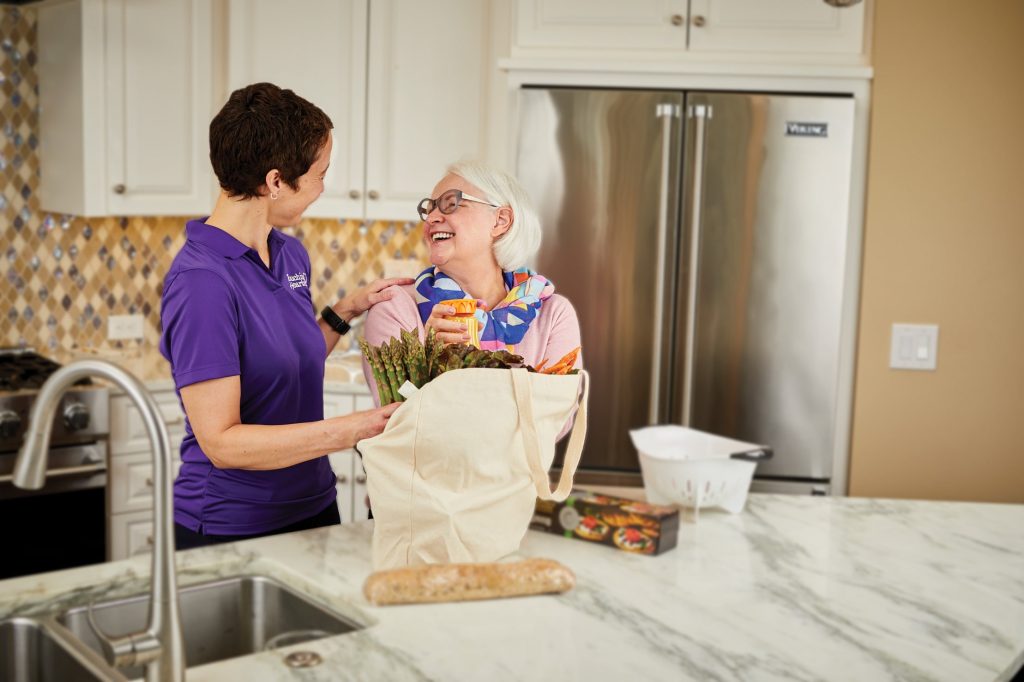
Grocery Shopping Assistance
Keeping nutritious food available begins with a well-stocked kitchen.
Caregivers can assist by:
- Creating grocery lists
- Shopping with or for the senior
- Organizing groceries after returning home
- Checking expiration dates
- Restocking commonly used items
This support helps reduce the physical demands of shopping while ensuring healthy ingredients remain available.
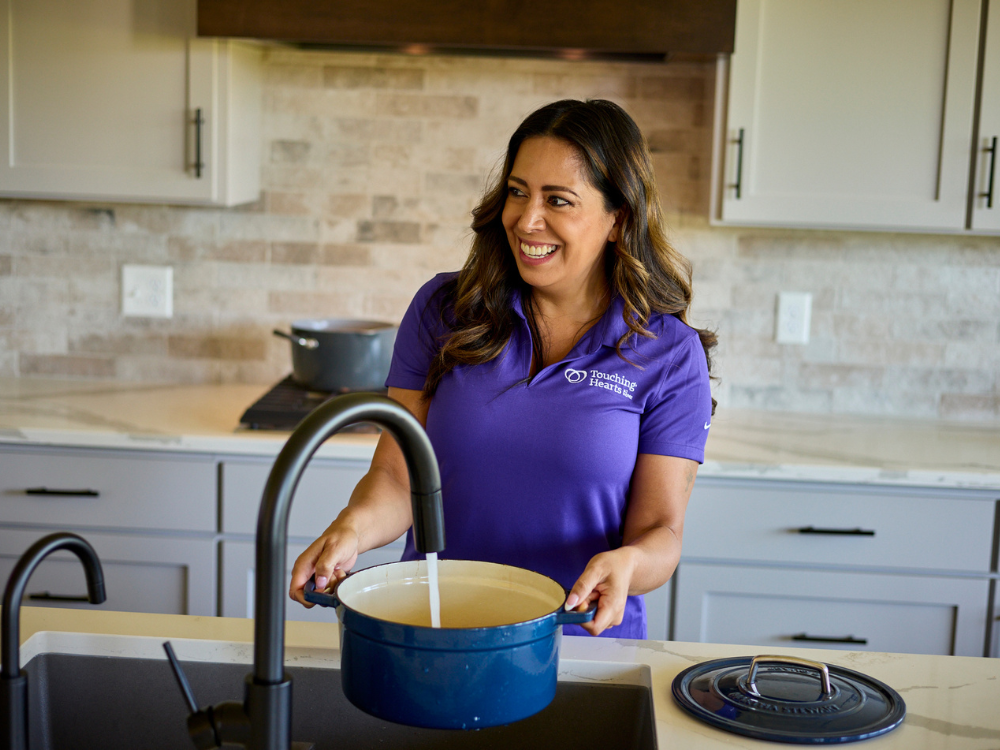
Safe Meal Preparation
Cooking involves several physical tasks that may become difficult over time.
Caregivers can assist with:
- Washing fruits and vegetables
- Chopping ingredients
- Preparing breakfast, lunch, and dinner
- Portioning meals for later
- Serving meals safely
- Cleaning the kitchen afterward
These services allow seniors to enjoy freshly prepared meals without unnecessary physical strain.
Supporting Independence Instead of Replacing It
One of the greatest misconceptions about home care is that caregivers take over every task.
At Touching Hearts, the goal is exactly the opposite.
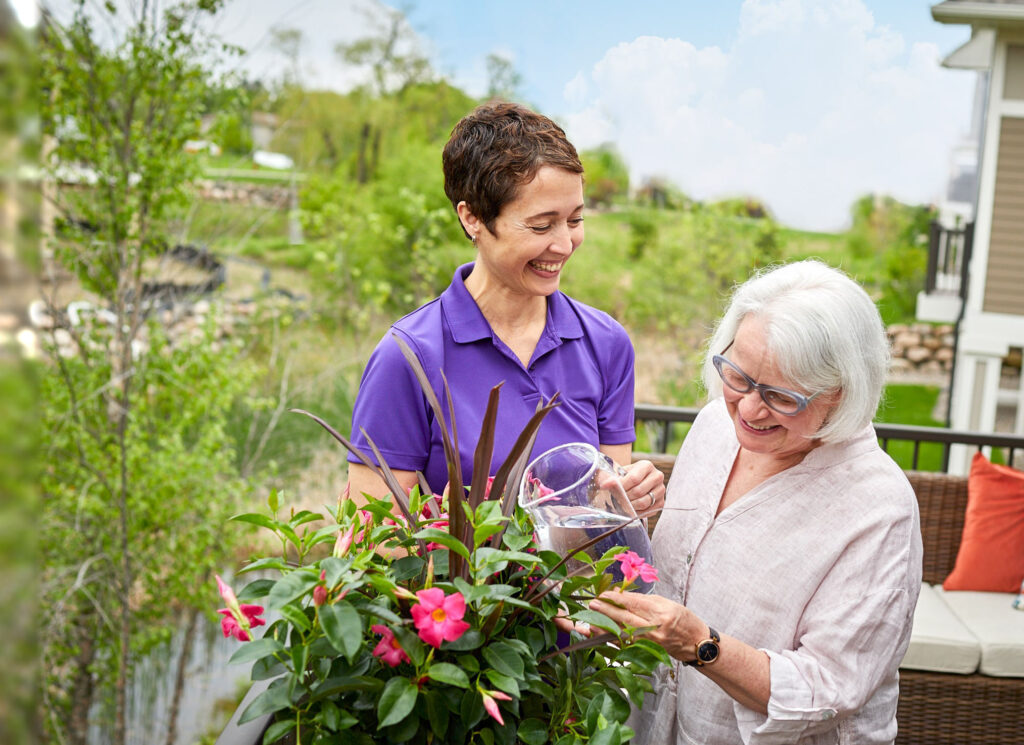
Whenever appropriate, caregivers encourage seniors to remain actively involved in meal preparation according to their abilities. A senior who enjoys cooking may stir ingredients, choose recipes, or help set the table while receiving assistance with more physically demanding tasks.
This collaborative approach helps preserve confidence, dignity, and a sense of purpose while reducing the risks associated with fatigue, limited mobility, or balance concerns.
Mealtime Is About More Than Nutrition
For many older adults, eating alone every day can become discouraging.
Sharing conversation during a meal often makes the experience more enjoyable and encourages regular eating habits. Caregivers provide companionship that transforms mealtime from a solitary routine into an opportunity for meaningful social connection.
Simple moments—sharing breakfast, talking over lunch, or enjoying a favorite family recipe—can contribute to emotional well-being as much as physical health.
How Meal Preparation Supports Aging in Place
For many older adults, remaining at home represents comfort, familiarity, and independence. Proper nutrition plays a significant role in making that possible.
When seniors have access to regular, nutritious meals without the physical strain of shopping or cooking alone, they often have more energy to participate in daily activities they enjoy. Consistent meal routines also support overall wellness and make everyday life feel more predictable.
Rather than moving to a more restrictive living environment because everyday tasks have become overwhelming, many seniors continue aging in place successfully with the right level of non-medical support.
Reducing Safety Risks in the Kitchen
The kitchen contains many potential hazards for older adults experiencing mobility limitations, vision changes, or reduced strength.
Home caregivers help reduce common risks such as:
Preventing Falls
Spilled liquids, reaching for high shelves, and carrying heavy pots can increase the chance of falls. Caregivers assist with these tasks while helping keep walkways clear and organized.
Avoiding Burns
Cooking on the stovetop or handling hot cookware may become more difficult after illness or as physical abilities change. Having an extra set of hands nearby can make meal preparation much safer.
Reducing Fatigue
Standing for extended periods while preparing meals often leaves seniors exhausted. By sharing the workload, caregivers help conserve energy for other meaningful activities throughout the day.
Keeping the Kitchen Organized
Maintaining an orderly kitchen makes cooking easier and reduces unnecessary bending, stretching, and lifting. Frequently used items can be stored within easy reach to improve both convenience and safety.
Supporting Recovery After Illness or Surgery
Good nutrition is especially important when an older adult is recovering from surgery, hospitalization, or illness.
Preparing healthy meals during recovery may feel overwhelming, particularly when energy levels are low or mobility is temporarily limited.
Caregivers provide valuable support by:
- Preparing easy-to-eat meals
- Encouraging regular hydration
- Assisting with grocery shopping
- Reducing physical demands around the kitchen
- Helping maintain consistent daily routines
By taking care of these practical responsibilities, seniors can devote more of their energy to healing and regaining strength.
Helping Family Caregivers Find Balance
Adult children often step in when they notice their parent is no longer eating well. Grocery shopping, meal preparation, and kitchen cleanup quickly become part of an already busy caregiving routine.
While families are often happy to help, balancing these responsibilities alongside work, children, and personal commitments can become stressful over time.
Professional home care offers dependable assistance that complements—not replaces—family involvement.
Instead of spending every visit preparing meals or stocking the refrigerator, loved ones can focus on meaningful conversations, shared activities, and simply enjoying time together.
Many Fort Collins families find that this balance reduces stress while improving their loved one’s daily quality of life.
Signs It May Be Time to Consider Meal Preparation Assistance
Every family notices changes differently, but certain signs often indicate that additional support could improve both nutrition and safety.
You may want to explore home care if your parent:
- Frequently skips meals
- Has lost weight unintentionally
- Avoids grocery shopping
- Relies heavily on processed or convenience foods
- Struggles to stand while cooking
- Has difficulty opening containers or using kitchen equipment
- Leaves expired food in the refrigerator
- Appears fatigued after preparing simple meals
- Is recovering from surgery or illness
Introducing assistance before nutrition becomes a serious concern often helps seniors maintain greater independence over the long term.
Compassionate Support That Preserves Independence
At Touching Hearts, we understand that preparing a meal represents much more than simply putting food on the table. It supports health, independence, comfort, and daily routine.
Our caregivers provide compassionate, non-medical assistance tailored to each individual’s needs and preferences. Whether someone needs help shopping once a week, preparing daily meals, or recovering after an illness, every care plan is designed to support independence while making everyday life a little easier.
By helping seniors continue enjoying nutritious meals in the comfort of home, we also help them maintain the dignity and confidence that come from remaining involved in their own daily lives.
If you’re feeling unsure about your parent’s needs, Touching Hearts offers a free, no-pressure in-home consultation in Fort Collins. We’re here to support your family every step of the way.
Frequently Asked Questions
Choosing meal preparation support is an important decision. Here are answers to several questions families frequently ask.
What does meal preparation include?
Meal preparation services may include planning meals, creating grocery lists, shopping, preparing food, serving meals, storing leftovers, and cleaning the kitchen afterward. Services are tailored to each senior’s preferences and abilities.
Can caregivers accommodate dietary preferences?
Yes. Caregivers prepare meals according to the care plan and the senior’s preferences or dietary instructions provided by the family or healthcare professionals. They do not prescribe or modify medical diets independently.
Will my parent still be involved in cooking?
Whenever appropriate, absolutely. Caregivers encourage seniors to participate in meal preparation as much as they comfortably and safely can, helping preserve independence and confidence.
Can caregivers help with grocery shopping?
Yes. Caregivers can assist with grocery shopping, organizing groceries, checking pantry supplies, and helping ensure healthy food is readily available at home.
Is meal preparation available by itself?
Yes. Many families begin with meal preparation and homemaker services before adding additional support as their loved one’s needs change.