Non-Medical vs Medical Home Care in Colorado: What Families in Johnstown Need to Know
When an aging parent starts needing extra support, families often find themselves facing a confusing question: What kind of home care is actually needed? The terms “medical” and “non-medical” home care sound similar, but they serve very different purposes—and choosing the wrong one can lead to unnecessary stress or expense.
For families in Johnstown and across Northern Colorado, this decision often comes during an emotional time. Maybe your parent recently returned home from UCHealth Greeley Hospital, or maybe you’ve noticed small changes that signal they need more help day to day. Understanding the difference between these two types of care can bring clarity and confidence.
This guide breaks down non-medical versus medical home care in simple, practical terms, with Colorado-specific insight to help you decide what truly fits your loved one’s needs.
Understanding Home Care Options in Colorado
Home care is not one-size-fits-all. In Colorado, services generally fall into two broad categories: medical home care and non-medical home care. While both take place in the home, they differ greatly in who provides the care, what services are offered, and how they’re paid for.
Knowing these differences upfront can save families time, money, and frustration—especially when needs change over time.
What Is Medical Home Care?
Medical home care focuses on clinical, health-related services ordered by a physician. This type of care is often short-term and goal-oriented.
Who Provides Medical Home Care?
Medical home care is delivered by licensed healthcare professionals, such as:
-
Registered nurses (RNs)
-
Licensed practical nurses (LPNs)
-
Physical, occupational, or speech therapists
-
Medical social workers
These professionals typically work through a certified home health agency and follow a doctor’s plan of care.
Common Medical Home Care Services
Medical home care may include:
-
Wound care and dressing changes
-
Medication administration or injections
-
Monitoring vital signs
-
Post-surgical recovery support
-
Physical or occupational therapy
-
Chronic condition management
For example, after a hospitalization due to a fall or illness, your parent might qualify for medical home care for a few weeks while regaining strength.
When Medical Home Care Is Appropriate
Medical home care is usually appropriate when:
-
A doctor orders skilled services
-
There is a clear medical need
-
The care is time-limited and focused on recovery
-
Clinical monitoring is required
Once the medical goal is met, these services typically end—even if your parent still struggles with daily tasks.
What Is Non-Medical Home Care?
Non-medical home care focuses on daily living support, safety, and quality of life rather than clinical treatment. This is often the missing piece for seniors who want to remain independent at home.
Who Provides Non-Medical Home Care?
Non-medical care is provided by trained professional caregivers who are not nurses but are experienced in senior support and safety. At Touching Hearts, caregivers are carefully screened and trained to provide compassionate, reliable assistance.
Common Non-Medical Home Care Services
Non-medical home care often includes:
-
Help with bathing, dressing, and grooming
-
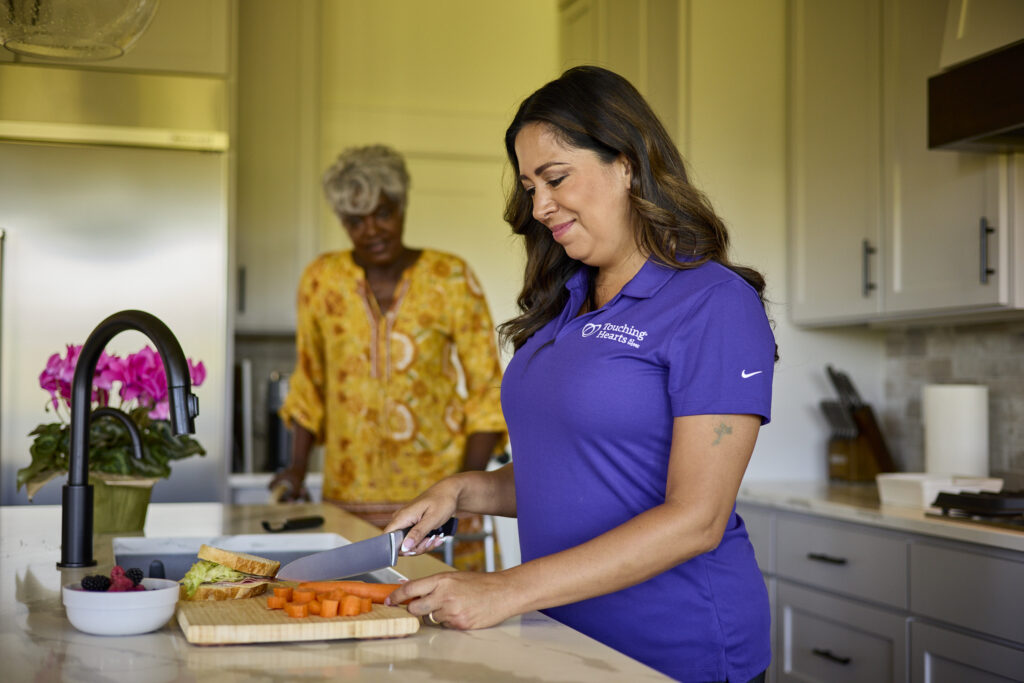
Meal preparation and hydration reminders
-
Light housekeeping and laundry
-
Transportation to appointments or errands
-
Medication reminders (not administration)
-
Companionship and conversation
-
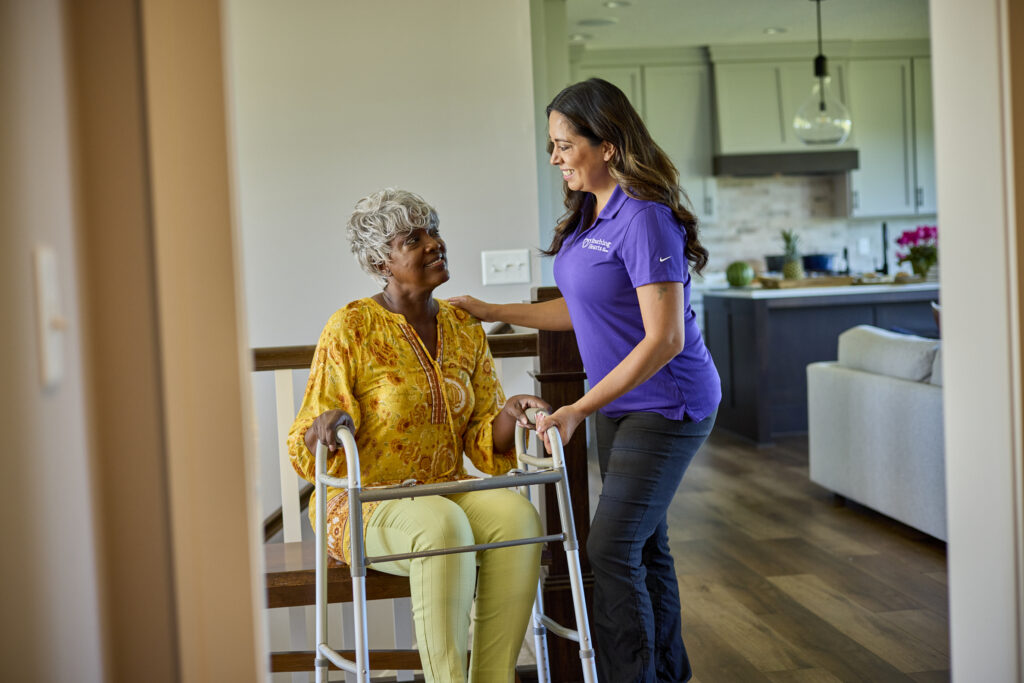
Mobility support and fall prevention
In Johnstown, where winter snow and ice can make daily tasks more challenging, having consistent help at home can reduce risks and bring peace of mind.
When Non-Medical Home Care Is Appropriate
Non-medical care is ideal when:
-
Your parent is medically stable but needs daily support
-
Safety at home is becoming a concern
-
You notice changes in hygiene, nutrition, or isolation
-
Family caregivers need extra help or relief
This type of care can be short-term or ongoing and adapts as needs change.
Key Differences Between Medical and Non-Medical Home Care
Understanding the core differences can make decision-making much clearer.
Focus of Care
Medical home care focuses on treating a medical condition.
Non-medical home care focuses on supporting daily life and independence.
Duration
Medical home care is usually temporary.
Non-medical home care can be long-term and flexible.
Who Pays for Care
Medical home care may be covered by Medicare or insurance when eligibility criteria are met.
Non-medical home care is typically private pay, though some long-term care insurance policies may apply.
Level of Personal Support
Medical care visits are often brief and task-focused.
Non-medical caregivers can stay for several hours, offering hands-on help and companionship.
Why Many Colorado Families Need Both
For many seniors in Northern Colorado, care needs don’t fit neatly into one category.
A common scenario looks like this:
-
A parent receives medical home care after a hospital discharge.
-
Skilled services end once the doctor’s goals are met.
-
The parent still struggles with bathing, meals, or mobility.
-
The family realizes ongoing support is still needed.
This is where non-medical home care often steps in to bridge the gap—helping seniors remain safely at home long after medical services conclude.
The Role of Non-Medical Care in Aging in Place
Johnstown offers a strong sense of community and a quieter pace that many older adults value. Non-medical home care plays a vital role in helping seniors remain part of that community.
Supporting Independence With Dignity
Rather than taking over, non-medical caregivers support seniors in doing as much as they can on their own. This approach preserves dignity and confidence while reducing risks.
Reducing Family Caregiver Burnout
Adult children often juggle work, family, and caregiving. Reliable in-home support can ease that burden and allow families to return to being sons and daughters, not just caregivers.
Adapting to Colorado’s Unique Challenges
From icy sidewalks to altitude-related fatigue, Colorado presents unique considerations for aging adults. Having local caregivers who understand sunny and warm as well as high country snow weather conditions and regional needs makes a meaningful difference.
How to Decide What Your Parent Needs Right Now
If you’re unsure which type of care is appropriate, consider these questions:
-
Does my parent need skilled medical treatment ordered by a doctor?
-
Are daily tasks becoming harder or unsafe?
-
Is loneliness or isolation becoming an issue?
-
Am I worried about falls, missed meals, or medication confusion?
-
Am I feeling overwhelmed trying to do everything myself?
Often, families discover that while medical needs are being addressed, non-medical support is what truly improves day-to-day life.
Why Families in Johnstown Choose Non-Medical Home Care
Non-medical home care is often chosen because it:
-
Provides consistent, relationship-based support
-
Adjusts easily as needs change
-
Focuses on the whole person, not just tasks
-
Allows seniors to remain in familiar surroundings
For many families, this type of care offers reassurance that someone trustworthy is checking in regularly, noticing changes, and offering compassionate support.
Frequently Asked Questions
Is non-medical home care the same as home health care?
No. Home health care refers to medical services provided by licensed professionals under a doctor’s order. Non-medical home care focuses on daily living support, safety, and companionship.
Can my parent receive both types of care at the same time?
Yes. Many seniors receive medical home care for short-term needs while also benefiting from non-medical care for daily support.
Does Medicare cover non-medical home care?
Medicare does not cover non-medical home care. However, some long-term care insurance policies may help cover these services.
How quickly can non-medical home care start?
Non-medical home care can often begin much more quickly than medical services, sometimes within days, depending on availability and needs.
How do I know if it’s time to add non-medical support?
If you’re noticing safety concerns, changes in routine, or increased stress on your family, it may be time to explore additional support.
If you’re feeling unsure about your parent’s needs, Touching Hearts offers a free, no-pressure in-home consultation in Johnstown. We’re here to support your family every step of the way.