
Non-Medical vs Medical Home Care in Loveland, Colorado: Understanding the Difference
Many families begin searching for home care after noticing subtle changes in an aging parent. Maybe Mom is forgetting meals, Dad seems less steady on the stairs, or routine household tasks have become more difficult. While it’s clear that extra support could help, many families in Loveland quickly discover that there are different types of home care available.
One of the most common questions families ask is whether their loved one needs medical home care or non-medical home care. The terms sound similar, but they serve very different purposes and are designed to meet different needs.
Understanding the distinction can help you make informed decisions, avoid unnecessary costs, and ensure your loved one receives the right level of support. In this guide, we’ll explain how each type of care works, who provides it, and how Colorado families can determine which option is best for their situation.
What Is Non-Medical Home Care?
Non-medical home care focuses on helping seniors remain safe, comfortable, and independent at home. Rather than providing medical treatments, caregivers assist with everyday activities that may become challenging as people age.
Touching Hearts at Home specializes in non-medical home care services that help seniors continue living in familiar surroundings while maintaining dignity and quality of life. Non-medical home care supports independent living and provides companionship, safety, and peace of mind for families.
Common Non-Medical Home Care Services
Non-medical caregivers may assist with:
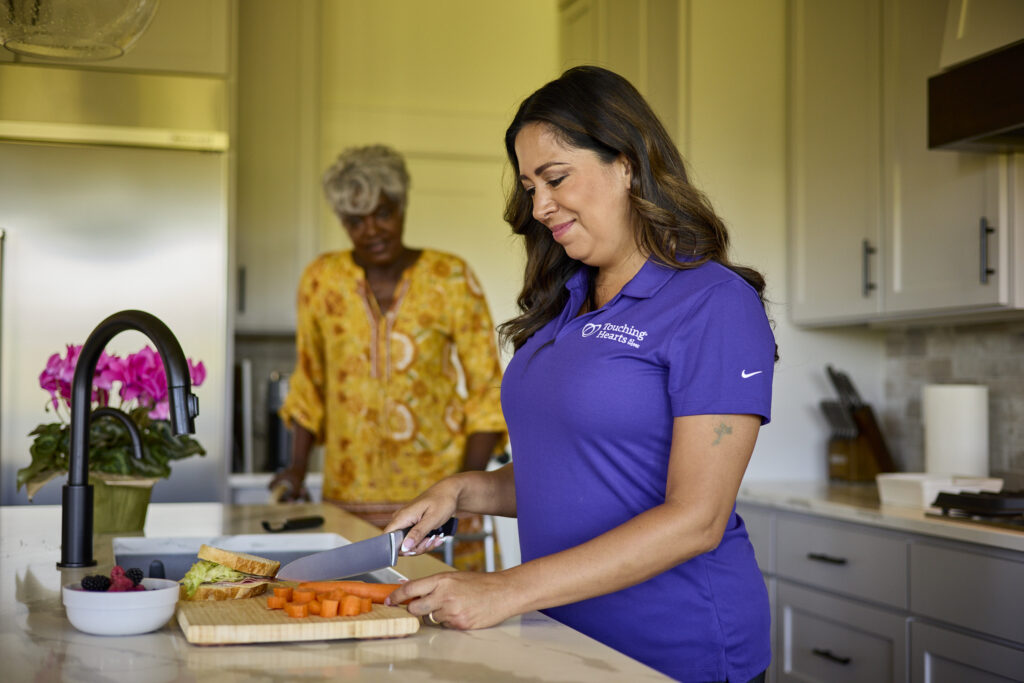
- Meal preparation and nutrition support
- Light housekeeping and laundry
- Grocery shopping and errands
- Transportation to appointments
- Medication reminders
- Mobility assistance
- Fall prevention support
- Companionship and conversation
- Assistance with dressing and grooming
- Help with bathing and personal hygiene
- Respite care for family caregivers
For many seniors in Loveland, these services make it possible to continue enjoying life at home while reducing stress for family members.
Who Provides Non-Medical Home Care?
Non-medical care is typically provided by trained caregivers rather than licensed nurses. Caregivers receive education on safety, personal care assistance, mobility support, communication, and senior wellness. Touching Hearts caregivers are trained to assist clients with activities of daily living while helping them remain as independent as possible.
What Is Medical Home Care?
Medical home care, sometimes called home health care, involves clinical services provided by licensed healthcare professionals.
These services are generally prescribed by a physician following an illness, injury, surgery, or hospitalization.
Medical home care may include:
- Skilled nursing care
- Wound care
- Physical therapy
- Occupational therapy
- Speech therapy
- IV medication administration
- Disease monitoring
- Post-surgical recovery support
Medical home care is intended to address medical conditions that require professional clinical oversight.
Who Provides Medical Home Care?
Medical services are delivered by licensed professionals such as:
- Registered nurses (RNs)
- Licensed practical nurses (LPNs)
- Physical therapists
- Occupational therapists
- Speech-language pathologists
- Other qualified healthcare professionals
Unlike non-medical caregivers, these providers perform clinical tasks that require specialized training and licensure.
Key Differences Between Non-Medical and Medical Home Care
Understanding the differences can help families choose the right solution.
Purpose of Care
Non-Medical Home Care
- Supports daily living
- Encourages independence
- Enhances safety and comfort
- Provides companionship
Medical Home Care
- Treats or manages health conditions
- Assists recovery from illness or injury
- Provides clinical interventions
- Monitors medical progress
Care Providers
Non-Medical Home Care
- Trained caregivers
- Personal care aides
- Companion caregivers
Medical Home Care
- Nurses
- Therapists
- Licensed healthcare professionals
Length of Care
Non-medical care often continues for months or years, depending on a senior’s needs.
Medical home care is frequently short-term and focused on achieving specific healthcare goals before discharge from services.
Insurance Coverage
Medical home care is often covered by Medicare, Medicaid, or private insurance when eligibility requirements are met.
Non-medical home care is usually private pay, though some long-term care insurance policies and veteran programs may provide assistance.
When Non-Medical Home Care May Be the Right Choice
Many families in Loveland initially assume a loved one needs medical care when what they truly need is help with everyday life.
Non-medical home care may be appropriate if your parent:
Is Struggling With Household Tasks
Simple chores such as vacuuming, laundry, meal preparation, and grocery shopping can become overwhelming with age.
A caregiver can provide practical support while allowing seniors to remain in their own homes.
Feels Lonely or Isolated
Social isolation is a growing concern among older adults.
Long Colorado winters, icy sidewalks, and reduced driving can make it difficult for seniors to stay connected with friends and community activities.
Companionship care offers meaningful social interaction that supports emotional well-being.
Needs Help With Personal Care
Tasks such as bathing, dressing, and grooming may become difficult due to arthritis, balance issues, or decreased mobility.
Professional caregivers provide respectful assistance while preserving dignity and independence.
Requires Family Caregiver Relief
Many adult children juggle careers, parenting responsibilities, and caregiving obligations.
Respite care allows family caregivers to rest, attend appointments, travel, or simply recharge while knowing their loved one is receiving quality support.
When Medical Home Care May Be Necessary
Medical home care may be appropriate if your loved one:
Recently Left the Hospital
Seniors recovering after hospitalization often require nursing or therapy services during the healing process.
Facilities such as Banner McKee Medical Center may recommend home health services after discharge.
Has a Complex Medical Condition
Conditions requiring regular medical monitoring, injections, wound care, or rehabilitation typically require licensed healthcare professionals.
Needs Physical or Occupational Therapy
After surgery, stroke, or injury, therapy services can help seniors regain strength, mobility, and function.
These services are generally considered medical home care.
Can Seniors Receive Both Types of Care?
Absolutely.
Many older adults benefit from both medical and non-medical support at the same time.
For example, a senior recovering from hip replacement surgery in Loveland might receive:
- Physical therapy several times per week
- Nursing visits for recovery monitoring
- Daily assistance from a non-medical caregiver
The therapist focuses on rehabilitation goals, while the caregiver assists with meals, transportation, housekeeping, and personal care.
Together, these services create a comprehensive support system that promotes both recovery and independence.
Why Loveland Families Often Start With Non-Medical Care
Many seniors do not require skilled nursing but still need extra support to remain safely at home.
Non-medical home care often serves as an early intervention that helps prevent larger problems later.
Benefits may include:
Reduced Fall Risk
Caregivers help identify hazards, provide mobility support, and encourage safer daily routines.
Better Nutrition
Regular meal preparation helps seniors maintain healthy eating habits.
Improved Emotional Well-Being
Consistent companionship can reduce feelings of loneliness and isolation.
Greater Family Peace of Mind
Knowing someone is checking in regularly can ease concerns for adult children who live nearby or out of state.
For families throughout Loveland and the surrounding Northern Colorado region, this support often makes aging in place a realistic and sustainable option.
How to Determine Which Type of Care Your Loved One Needs
Choosing the right care starts with understanding your loved one’s current challenges.
Ask yourself:
Are Daily Activities Becoming Difficult?
If your parent struggles with meals, bathing, housekeeping, transportation, or companionship, non-medical home care may be appropriate.
Has a Doctor Recommended Clinical Services?
If a physician has prescribed nursing care, therapy, or medical monitoring, medical home care is likely needed.
Is Safety Becoming a Concern?
Falls, missed medications, poor nutrition, or increasing isolation often indicate a need for supportive in-home assistance.
Could Both Services Help?
Many seniors benefit from a combination of medical and non-medical care that evolves as their needs change.
Speaking with a trusted home care professional can help clarify which services are most appropriate.
Frequently Asked Questions
Understanding the differences between care options can help families make confident decisions.
Does non-medical home care include medication management?
Non-medical caregivers can provide medication reminders, but they do not administer medications or perform clinical medical tasks.
Can non-medical caregivers help with bathing and dressing?
Yes. Personal care assistance often includes help with bathing, dressing, grooming, toileting, and mobility support.
Is medical home care always temporary?
Not always, but many medical home care services are designed to address short-term healthcare needs or recovery goals.
Can someone receive home health care and non-medical care simultaneously?
Yes. Many seniors use both services at the same time to address both medical and daily living needs.
How do I know which service my parent needs?
A professional assessment can help determine whether challenges are primarily medical, non-medical, or a combination of both.
If you’re feeling unsure about your parent’s needs, Touching Hearts offers a free, no-pressure in-home consultation in Loveland. We’re here to support your family every step of the way.