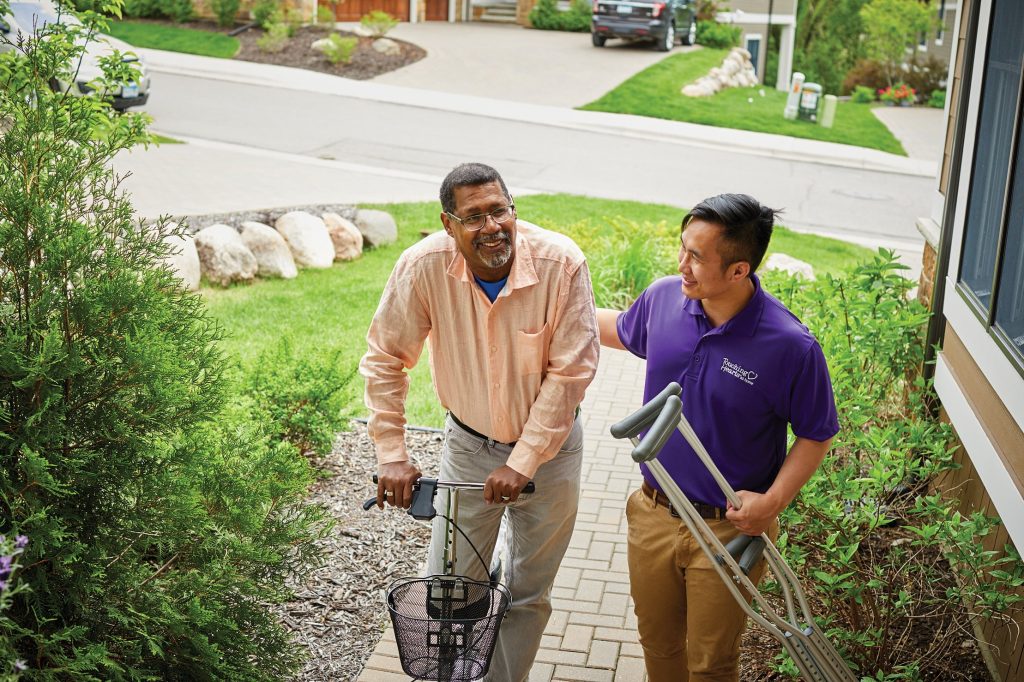
Personal Care at Home in Loveland: Dignified Support for Daily Routines
For many families, the first signs that an aging parent needs help are not dramatic. Instead, they often appear in everyday routines. A parent who once managed everything independently may begin struggling with bathing, dressing, grooming, or moving safely around the house.
These changes can be difficult to recognize—and even harder to discuss. Many older adults value their independence deeply and may feel uncomfortable accepting assistance with personal tasks.
The good news is that personal care at home can provide support while preserving dignity, comfort, and independence. For families in Loveland and throughout Fort Collins, understanding what personal care includes can help determine when additional assistance may improve safety and quality of life.
What Is Personal Care at Home?
Personal care is a non-medical home care service that assists older adults with activities of daily living, often called ADLs. These are the basic tasks people perform every day to care for themselves.
Unlike companionship services, which focus primarily on social engagement and household assistance, personal care provides hands-on support with physical routines that may become more challenging with age.
Personal care services often include:
- Bathing assistance
- Grooming and hygiene support
- Dressing assistance
- Toileting assistance
- Mobility support
- Transferring from bed to chair
- Walking assistance
- Medication reminders
- Meal preparation support
- Assistance with daily routines
The goal is not to take over tasks unnecessarily. Instead, caregivers provide the right amount of help while encouraging seniors to remain as independent as possible.
Why Daily Routines Matter So Much
Daily routines provide more than structure. They help seniors maintain confidence, comfort, and a sense of control.
When routine tasks become difficult, many older adults feel frustrated or embarrassed. Some begin avoiding activities that once felt simple.
A missed shower may not seem significant at first. However, over time, small challenges can affect physical health, emotional well-being, and overall quality of life.
Consistent personal care support helps seniors continue participating in their normal routines while reducing stress and safety concerns.
Preserving Independence
Many families worry that accepting help means giving up independence.
In reality, the opposite is often true.
When older adults receive assistance with difficult tasks, they can conserve energy for activities they enjoy most. Rather than struggling through every part of the day, they gain support where it is needed while maintaining control over their choices and lifestyle.
Supporting Emotional Well-Being
Personal care is about more than physical assistance.
Feeling clean, comfortable, and well-groomed often contributes to:
- Higher self-confidence
- Improved mood
- Greater social engagement
- Increased willingness to leave the home
- Better overall quality of life
These emotional benefits are frequently just as important as the physical support itself.
Signs a Parent May Benefit From Personal Care
Families often wonder whether a loved one truly needs personal care or simply needs more time and patience.
Several common signs may indicate additional support could be helpful.
Difficulty Bathing Safely
Bathrooms are one of the most common locations for senior falls.
You may notice your parent:
- Skipping showers
- Expressing fear of slipping
- Avoiding bathing altogether
- Having difficulty stepping into the tub
- Struggling to wash thoroughly
A caregiver can provide support that makes bathing safer and less stressful.
Wearing the Same Clothing Repeatedly
Changes in dressing habits may signal physical limitations, pain, balance concerns, or reduced energy.
Watch for signs such as:
- Repeated outfits day after day
- Difficulty fastening buttons
- Trouble putting on shoes
- Clothing that appears unwashed
These challenges often become more noticeable during colder Colorado months when dressing involves heavier layers and winter outerwear.
Mobility Challenges Around the Home
Mobility changes frequently develop gradually.
A parent may begin:
- Holding onto furniture while walking
- Moving more slowly
- Avoiding stairs
- Having difficulty standing from chairs
- Experiencing balance concerns
Personal care caregivers can assist with movement and help reduce fall risks throughout the home.
Concerns Following a Fall
Even a minor fall can significantly impact confidence.
Many seniors become fearful of future falls and start limiting activity, which can actually increase weakness and mobility problems over time.
Having support available during daily routines can help restore confidence and encourage safe movement.
Personal Care and Colorado Living
Older adults in Loveland enjoy an active lifestyle, beautiful scenery, and strong community connections. However, Colorado’s unique environment can create additional challenges for aging adults.
Winter Weather Considerations
Snow, ice, and freezing temperatures can make daily routines more difficult.
Tasks that once felt simple may become harder when seniors are:
- Managing bulky winter clothing
- Navigating icy walkways
- Experiencing arthritis flare-ups during cold weather
- Spending more time indoors
Personal care support can help seniors remain safe and comfortable throughout the winter season.
Maintaining Activity and Mobility
Loveland residents often enjoy walks, community events, and spending time outdoors.
When mobility becomes more challenging, seniors sometimes withdraw from activities they love.
Regular assistance with dressing, grooming, and mobility can help older adults continue participating in meaningful routines and community involvement.
What Makes Personal Care Different From Medical Care?
One common misconception is that personal care and medical care are the same.
They are not.
Personal care caregivers provide non-medical assistance with everyday activities and routines. They do not diagnose conditions, administer medical treatments, or perform skilled nursing tasks.
Instead, personal care focuses on helping seniors remain safe, comfortable, and independent within their own homes.
This support often complements services provided by physicians, therapists, and healthcare professionals.
For families returning home after treatment at Banner McKee Medical Center, personal care can help bridge the gap between medical appointments and everyday living needs.
The Importance of Dignity in Personal Care
One reason families delay seeking help is concern about privacy.
Personal care involves some of the most personal aspects of daily life. Understandably, many seniors feel vulnerable when discussing bathing, toileting, or dressing assistance.
High-quality personal care should always prioritize dignity.
Respecting Personal Preferences
Every senior has established routines and preferences.
A caregiver should learn:
- Preferred bathing schedules
- Clothing choices
- Grooming habits
- Cultural considerations
- Privacy expectations
Personalized care helps seniors feel respected and comfortable.
Encouraging Participation
Good personal care is not about doing everything for someone.
Instead, caregivers encourage seniors to perform tasks they can still do safely while providing assistance only where needed.
This approach promotes confidence and helps preserve independence.
Benefits for Family Caregivers
When a parent begins needing personal assistance, family members often step into the caregiving role.
While this support comes from a place of love, it can quickly become physically and emotionally demanding.
Adult children frequently find themselves balancing:
- Careers
- Children or grandchildren
- Household responsibilities
- Medical appointments
- Caregiving duties
Professional personal care services can reduce stress while ensuring loved ones receive consistent support.
Preserving Family Relationships
Many families discover that caregiving responsibilities can alter parent-child dynamics.
When personal care tasks become overwhelming, family visits may begin revolving around chores and caregiving duties.
Professional support allows family members to focus more on spending meaningful time together and less on managing daily routines.
When to Start Personal Care Services
A common mistake is waiting until a crisis occurs.
Starting personal care early often allows seniors to adjust gradually and comfortably.
Consider exploring personal care if your parent is:
- Experiencing difficulty with daily routines
- Recovering from illness or injury
- Showing increased fall risk
- Struggling with mobility
- Becoming less consistent with hygiene
- Needing more help than family can reasonably provide
Early support often prevents larger challenges from developing later.
How Personal Care Supports Aging in Place
Most older adults prefer to remain in the homes they know and love for as long as possible.
Personal care services play a significant role in making that goal achievable.
By assisting with daily routines while preserving dignity and independence, caregivers help seniors remain comfortable in familiar surroundings and connected to the communities they cherish.
For many Loveland families, personal care becomes an important part of a long-term aging-in-place plan that evolves as needs change over time.
Frequently Asked Questions
Many families have questions about how personal care services work and when they may be appropriate.
What activities are included in personal care?
Personal care commonly includes assistance with bathing, dressing, grooming, toileting, mobility, transfers, meal preparation support, and other daily living activities.
Is personal care the same as nursing care?
No. Personal care is non-medical assistance with everyday routines. Nursing care involves medical services provided by licensed healthcare professionals.
How do I know if my parent needs personal care?
Signs may include difficulty bathing, dressing, walking safely, maintaining hygiene, or completing daily routines independently.
Can personal care help after a hospital stay?
Yes. Many families use personal care services after discharge from Banner McKee Medical Center to support recovery and daily routines at home.
Will receiving personal care reduce my parent’s independence?
Not necessarily. In many cases, appropriate support helps seniors remain independent longer by addressing challenges before they become larger safety concerns.
If you’re feeling unsure about your parent’s needs, Touching Hearts offers a free, no-pressure in-home consultation in Loveland. We’re here to support your family every step of the way.