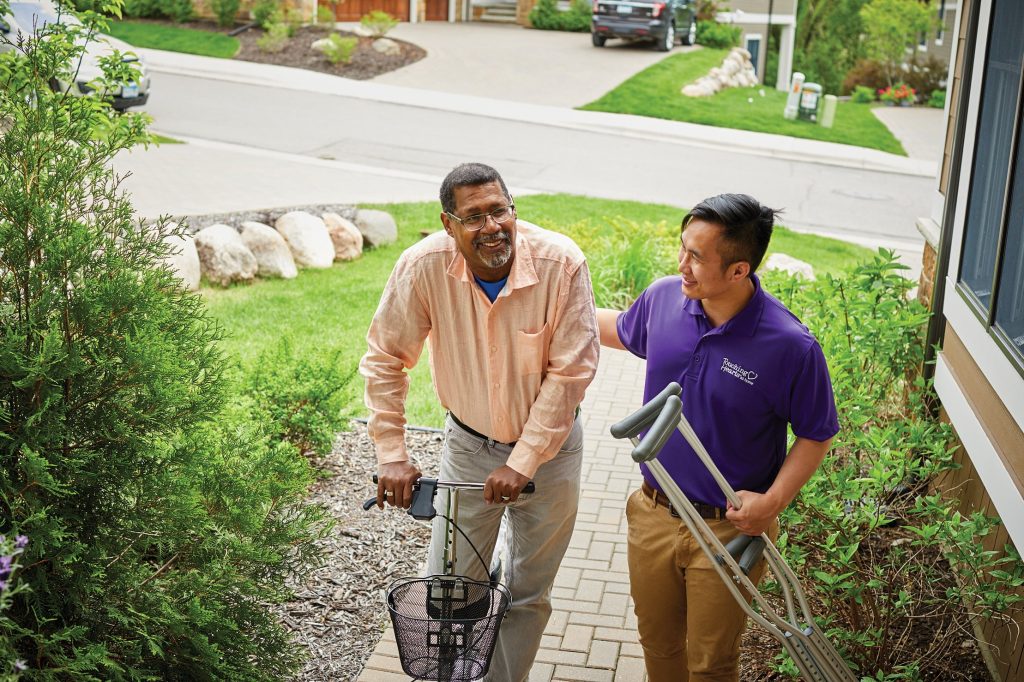

Senior Home Care in Loveland: What Local Families Should Know
Realizing that an aging parent may need extra support at home can bring a mix of emotions. You may notice small changes in their daily routine, worry about their safety, or wonder how to help them maintain the independence they’ve always valued. It’s a situation many families in Loveland experience, and it’s natural to have questions about what comes next.
The good news is that home care doesn’t have to mean giving up independence. In fact, the right support can help older adults continue living comfortably in the place they know and love while giving families greater confidence and peace of mind.
If you’re exploring senior home care for the first time, understanding how it works—and what services are available—can help you make informed decisions for your loved one. Here’s what families in Loveland should know when considering home care.
What Is Senior Home Care?
Senior home care provides non-medical assistance that helps older adults remain safe, comfortable, and independent in their own homes.
Rather than moving into a residential care community, many seniors prefer receiving support in familiar surroundings while maintaining their routines and connections within the community.
Depending on individual needs, home care services may include:
- Companionship
- Meal preparation
- Light housekeeping
- Laundry
- Transportation to appointments
- Grocery shopping and errands
- Medication reminders
- Personal care assistance
- Mobility support
Services are personalized based on each individual’s preferences, lifestyle, and changing needs.
Why More Families Are Choosing Home Care
Many adult children balance careers, raising children, and other responsibilities while also helping aging parents.
Professional home care provides additional support that allows families to focus more on spending meaningful time together instead of trying to manage every caregiving task alone.
Some of the most common reasons families choose home care include:
- Helping a loved one remain safely at home
- Providing companionship to reduce isolation
- Assisting with everyday household tasks
- Offering support after a hospital stay
- Giving family caregivers opportunities to rest
- Improving consistency in daily routines
For many seniors, remaining at home contributes to a greater sense of comfort, familiarity, and independence.
Signs Your Parent May Benefit from Home Care
Every family’s situation is different, but there are often small changes that suggest additional support could improve quality of life.
You may notice that your loved one is:
- Forgetting appointments
- Eating fewer balanced meals
- Struggling with housekeeping
- Wearing the same clothing repeatedly
- Becoming less socially active
- Avoiding driving
- Having difficulty with mobility
- Feeling lonely between family visits
These changes don’t necessarily mean your parent can no longer live independently. Instead, they may indicate that a little extra assistance could help them continue living safely at home.
Home Care Is Personalized
One of the greatest advantages of home care is flexibility.
Some seniors only need companionship for a few hours each week.
Others benefit from more frequent visits that include assistance with personal care, meal preparation, transportation, or household tasks.
As needs change over time, care plans can often be adjusted to provide additional support without requiring a move from home.
This personalized approach allows families to choose services that fit both their loved one’s needs and their own schedules.
Common Home Care Services
Understanding the types of support available helps families determine what may be most helpful.
Companionship
Loneliness can affect emotional well-being just as much as physical challenges.
Caregivers provide friendly conversation, shared activities, games, hobbies, and meaningful social interaction that help brighten each day.
Companionship also offers reassurance for family members who cannot visit as often as they’d like.
Meal Preparation
Preparing nutritious meals may become more difficult with age.
Caregivers can assist with:
- Planning simple meals
- Preparing favorite recipes
- Encouraging regular meals
- Supporting healthy eating habits
- Cleaning up after meals
Good nutrition supports overall health and energy.
Light Housekeeping
Everyday household chores can gradually become physically demanding.
Caregivers may assist with:
- Vacuuming
- Dusting
- Laundry
- Changing bed linens
- Washing dishes
- Organizing common living areas
Maintaining a clean home contributes to both comfort and safety.
Transportation
Many older adults eventually prefer to limit or stop driving.
Caregivers can help with transportation to:
- Medical appointments
- Grocery stores
- Community events
- Religious services
- Social visits
- Personal errands
Reliable transportation helps seniors remain active and connected with the Loveland community.
Personal Care Assistance
Some older adults benefit from respectful assistance with everyday personal routines.
Depending on individual needs, caregivers may assist with:
- Bathing
- Grooming
- Dressing
- Toileting
- Mobility support
- Safe transfers
The goal is always to preserve dignity while encouraging as much independence as possible.
The Benefits of Starting Home Care Early
Many families wait until after a crisis before exploring home care.
However, introducing support before a hospitalization, fall, or medical emergency often creates a much smoother transition.
Starting early allows older adults to:
- Build trust with a caregiver
- Become comfortable with a new routine
- Receive assistance before challenges become overwhelming
- Maintain greater independence for longer
- Reduce stress for the entire family
Home care works best when it’s viewed as proactive support rather than a last resort.
Supporting Independence Instead of Replacing It
One of the biggest misconceptions about home care is that accepting help means giving up independence.
In reality, caregivers often assist with physically demanding or time-consuming tasks so seniors can continue enjoying the activities they value most.
For example, instead of spending energy on laundry or housekeeping, your loved one may have more time to:
- Visit friends
- Enjoy hobbies
- Attend community activities
- Spend time with grandchildren
- Take walks through neighborhood parks
- Participate in local events
Supporting independence sometimes means providing just enough assistance to help older adults continue living life on their own terms.
Choosing the Right Home Care Provider
Selecting a home care agency is one of the most important decisions your family will make. Beyond the services offered, you’ll want a provider that takes the time to understand your loved one’s personality, preferences, and goals.
A quality home care agency focuses on creating personalized care plans while matching seniors with compassionate caregivers who can build lasting relationships based on trust and respect.
As you evaluate your options, look for an agency that emphasizes clear communication, reliable scheduling, caregiver training, and ongoing support for both clients and their families.
Questions to Ask Before Choosing a Home Care Agency
Taking time to ask thoughtful questions can help you feel confident in your decision.
Consider asking:
How Are Care Plans Developed?
Every senior has different needs and preferences.
Ask how the agency learns about your loved one’s daily routine, interests, mobility, and level of support before creating a personalized care plan.
A flexible plan allows services to evolve as circumstances change.
How Are Caregivers Selected?
The relationship between a caregiver and senior is one of the most important parts of home care.
Ask how caregivers are matched with clients and what factors are considered, such as:
- Personality
- Experience
- Scheduling needs
- Communication style
- Specialized skills
A thoughtful match often leads to a more comfortable and positive experience.
What Happens if Care Needs Change?
A parent’s needs may gradually increase over time.
Find out how the agency adjusts care plans if additional services become helpful.
Having flexibility allows families to respond to changing circumstances without unnecessary disruption.
How Does the Agency Communicate with Families?
Many adult children live outside Loveland or balance work and family responsibilities.
Ask how updates are shared and who to contact with questions or concerns.
Regular communication helps families stay informed and provides reassurance that their loved one is receiving consistent support.
The Value of Building a Trusted Relationship
Exceptional home care is about much more than completing household tasks.
Over time, caregivers often become trusted companions who provide encouragement, meaningful conversation, and emotional support.
As relationships grow, caregivers learn about a senior’s:
- Daily routines
- Favorite hobbies
- Family traditions
- Meal preferences
- Personal interests
- Individual goals
This familiarity allows care to become increasingly personalized while helping older adults feel comfortable welcoming support into their homes.
Many families find that companionship becomes one of the most valuable aspects of home care.
Families Remain an Important Part of Care
Choosing professional home care doesn’t mean stepping away from your role as a family caregiver.
Instead, it allows you to spend more meaningful time together.
Rather than focusing every visit on laundry, meal preparation, or errands, you can devote more attention to conversations, family activities, and creating lasting memories.
Professional caregivers and family members work together as partners, each playing an important role in supporting the older adult’s well-being.
This collaborative approach often reduces stress while strengthening family relationships.
Home Care Can Adapt as Needs Change
One of the greatest benefits of professional home care is its flexibility.
Many seniors begin with occasional companionship visits or assistance around the house. As needs evolve, families can often expand services without requiring a move to a different living environment.
Additional support may include:
- More frequent caregiver visits
- Personal care assistance
- Transportation to additional appointments
- Meal preparation several days each week
- Respite care for family caregivers
This adaptable approach helps older adults continue living comfortably at home while receiving the level of support that’s right for them.
Supporting Seniors Throughout Loveland
Loveland is known for its welcoming neighborhoods, beautiful parks, vibrant arts community, and strong sense of connection. Many older adults want to continue enjoying these familiar surroundings for as long as possible, and home care can make that goal more achievable.
Families throughout Northern Colorado also understand the importance of preparing for seasonal challenges. Winter snow, icy sidewalks, and changing Front Range weather can make driving, shopping, and attending appointments more difficult. Having dependable assistance with transportation, errands, and household tasks can provide valuable peace of mind during every season.
Whether your loved one needs occasional companionship or more regular daily support, personalized home care allows them to maintain routines, stay connected to the community they love, and continue living in the comfort of their own home.
Home Care Supports the Entire Family
When an aging parent begins receiving professional home care, the benefits often extend far beyond the individual receiving services.
Adult children frequently experience:
- Greater peace of mind
- Reduced caregiving stress
- More confidence in their parent’s daily safety
- Better work-life balance
- More quality time during family visits
Knowing that a trusted caregiver is providing dependable support allows families to focus less on daily logistics and more on enjoying meaningful moments together.
Choosing home care is a deeply personal decision, but it doesn’t have to be overwhelming. By learning about available services, asking thoughtful questions, and selecting a compassionate agency, families can make confident choices that support both independence and quality of life.
Helping Your Loved One Thrive at Home
Choosing home care is about more than arranging assistance with daily tasks—it’s about helping an aging loved one continue living with dignity, comfort, and independence in the place they know best. By exploring options early and selecting services that reflect your parent’s unique needs, families can create a care plan that supports both safety and quality of life.
For families in Loveland, professional home care offers reassurance that a trusted caregiver is there to provide compassionate support while encouraging independence. Whether your loved one needs companionship, help around the house, transportation, or more personalized daily assistance, home care can be tailored as needs change over time.
Most importantly, home care allows families to spend less time worrying about everyday responsibilities and more time sharing meaningful moments together. With the right support system in place, older adults can continue enjoying the routines, relationships, and community connections that make home feel special.
If you’re feeling unsure about your parent’s needs, Touching Hearts offers a free, no-pressure in-home consultation in Loveland. We’re here to support your family every step of the way.
Frequently Asked Questions
Below are answers to some of the most common questions families ask when exploring senior home care in Loveland.
When is the right time to consider home care?
Many families benefit from exploring home care before an emergency occurs. If your loved one is beginning to struggle with household tasks, transportation, meal preparation, or maintaining daily routines, introducing support early can make the transition more comfortable and help preserve independence.
What services are included with non-medical home care?
Non-medical home care commonly includes companionship, meal preparation, light housekeeping, laundry, transportation, medication reminders, grocery shopping, errands, mobility assistance, and personal care support. Services are customized to meet each individual’s needs and preferences.
Can home care be adjusted if my parent’s needs change?
Yes. One of the advantages of home care is its flexibility. Many families begin with a few hours of support each week and gradually increase services as needs evolve. Care plans can often be updated to reflect changes in health, routines, or family schedules.
Will my family still be involved in my parent’s care?
Absolutely. Professional caregivers work alongside families—not in place of them. Home care provides additional support while allowing family members to focus on spending meaningful time with their loved one instead of managing every daily task.
How can home care help seniors remain independent?
Home care supports independence by assisting with tasks that may have become physically challenging while encouraging seniors to continue participating in the activities they enjoy. The goal is to provide just the right amount of help so older adults can remain safe, comfortable, and engaged in their own homes.