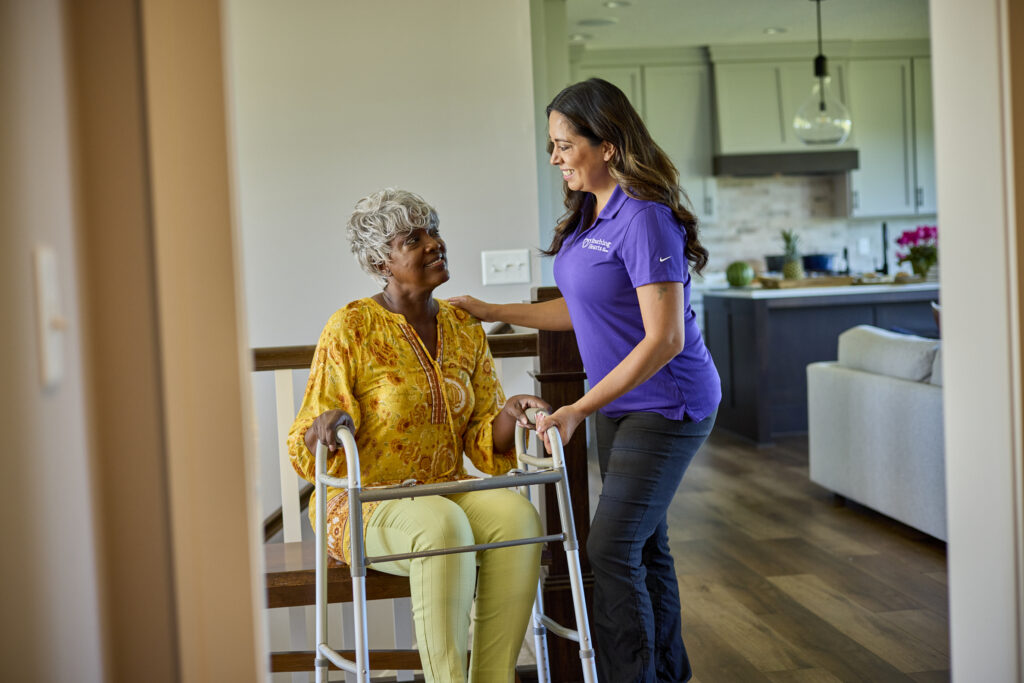

What Is Home Care? A Guide for Families in Windsor, Colorado
When an aging parent starts needing extra support, many families in Windsor find themselves asking a simple but important question: What exactly is home care—and how can it help my loved one? With so many care options available, it’s easy to feel overwhelmed or unsure where to begin.
Home care is often misunderstood. Some families assume it’s only for serious medical needs, while others worry it means giving up independence. In reality, home care is designed to do the opposite—to help seniors live safely, comfortably, and confidently in their own homes.
This guide explains what home care is, how it works, and why so many families in Windsor and Northern Colorado choose it as a supportive, flexible solution for aging loved ones.
Understanding Home Care
Home care refers to non-medical assistance provided in a senior’s home to support daily living, safety, and overall quality of life. It focuses on helping older adults continue living where they feel most comfortable—at home—while receiving the help they need.
Home care is not about taking over. It’s about offering the right level of support at the right time, always respecting dignity and independence.
What Home Care Includes
Home care services are tailored to each individual’s needs and routines. Support may include a combination of physical help, household assistance, and companionship.
Personal Care Support
Caregivers can assist with everyday personal tasks such as:
-
Bathing and showering
-
Dressing and grooming
-
Toileting and hygiene
-
Mobility and transfers
This support helps seniors stay clean, comfortable, and safe—especially when balance or strength changes.
Help With Daily Living Activities
Many seniors struggle not with medical needs, but with the physical effort of everyday tasks.
Home care often includes:
-
Meal preparation and hydration reminders
-
Light housekeeping and laundry
-
Grocery shopping and errands
-
Transportation to appointments or social outings
These services help maintain a safe, organized home environment while reducing stress on families.
Companionship and Emotional Support
Loneliness can have a serious impact on senior health. Home care provides consistent companionship through:
-
Conversation and shared activities
-
Help staying engaged with hobbies
-
Accompaniment on walks or outings
-
Emotional reassurance and routine
For seniors in Windsor who may live alone or have limited social interaction, companionship is one of the most valuable benefits of home care.
What Home Care Does Not Include
It’s important to understand what home care is—and isn’t.
Home care does not involve:
-
Medical treatments or procedures
-
Administering medications
-
Skilled nursing or therapy services
Those services fall under medical home health care. Home care focuses on daily life support, not clinical care.
Who Can Benefit From Home Care?
Home care supports a wide range of situations and care needs.
Seniors Who Want to Age in Place
Many older adults in Windsor want to remain in the homes they’ve lived in for years. Home care makes aging in place safer by reducing fall risks, supporting routines, and offering reliable help.
Seniors Recovering From Illness or Surgery
After discharge from the hospital, seniors may feel weak or overwhelmed managing daily tasks. Short-term home care helps with routines and safety during recovery.
Families Who Need Extra Support
Adult children often juggle work, family, and caregiving responsibilities. Home care eases that burden by sharing daily tasks and providing peace of mind when family can’t be present.
How Home Care Supports Independence
One of the biggest myths about home care is that it reduces independence. In reality, it often extends it.
Caregivers:
-
Encourage seniors to do what they can safely
-
Step in only where help is needed
-
Respect routines and personal preferences
-
Adapt support as needs change
This balanced approach helps seniors stay active and engaged without unnecessary risk.
Why Home Care Works Well in Windsor
Windsor offers a strong sense of community and a lifestyle many seniors cherish. Home care helps older adults stay connected to:
-
Familiar neighborhoods
-
Local shops and activities
-
Friends, family, and community ties
Colorado’s changing seasons also play a role. Snow, ice, and sudden weather shifts during winter can make daily tasks more difficult. Having in-home support helps seniors stay safe year-round.
Home Care vs Other Care Options
Families often compare home care to assisted living or nursing facilities.
Home care stands out because it:
-
Allows seniors to remain at home
-
Offers flexible schedules
-
Provides one-on-one attention
-
Adapts as needs change
For many families, it’s a supportive middle ground that avoids major life disruptions.
When to Start Exploring Home Care
There’s no “perfect” time—but earlier is often better.
Families commonly begin home care when they notice:
-
Difficulty with bathing or meals
-
Increased forgetfulness
-
Safety concerns or falls
-
Social withdrawal or loneliness
-
Growing caregiver stress
Starting early allows care to feel supportive rather than reactive.
Frequently Asked Questions
Below are common questions families ask when learning about home care.
Is home care only for seniors with serious needs?
No. Many seniors use home care for light assistance or companionship before needs increase.
How often can caregivers come?
Care schedules are flexible and can range from a few hours a week to daily or extended care.
Will home care replace family involvement?
No. Home care complements family support and helps loved ones share responsibilities.
Can services change over time?
Yes. Home care adapts as needs, routines, and preferences change.
How do we get started?
Most families begin with an in-home consultation to discuss needs and goals.
If you’re feeling unsure about your parent’s needs, Touching Hearts offers a free, no-pressure in-home consultation in Windsor. We’re here to support your family every step of the way.