What to Expect in Your First Week of In-Home Care in Greeley
Starting in-home care for a parent or loved one is a big step for many families. If you’re preparing for the first week of care, it’s completely normal to feel a mix of relief, uncertainty, and curiosity about how everything will work.
Many families in Greeley reach this point after noticing that their parent needs a little extra help with daily routines. Perhaps household chores have become more difficult, appointments at UCHealth Greeley Hospital require transportation, or safety concerns have started to appear around the home.
The good news is that the first week of in-home care is designed to be a gentle transition. Care plans are carefully introduced, routines are established, and caregivers focus on building trust with both the senior and their family.
Understanding what happens during the first week can help everyone feel more comfortable and confident moving forward.
Preparing for the First Day of Care
Before care officially begins, families typically participate in a consultation and care planning process.
During this step, the care team works with the family to understand the senior’s needs, preferences, and daily routines. Important details are discussed, such as:
-
Mobility and safety concerns
-
Medication schedules
-
Meal preferences
-
Personal care needs
-
Household routines
-
Transportation needs around Greeley
This information helps create a personalized care plan so caregivers can provide support that fits naturally into the senior’s lifestyle.
For many families in the Fort Collins area, this planning stage provides reassurance that their loved one will receive thoughtful, individualized care.
Day One: Meeting the Caregiver
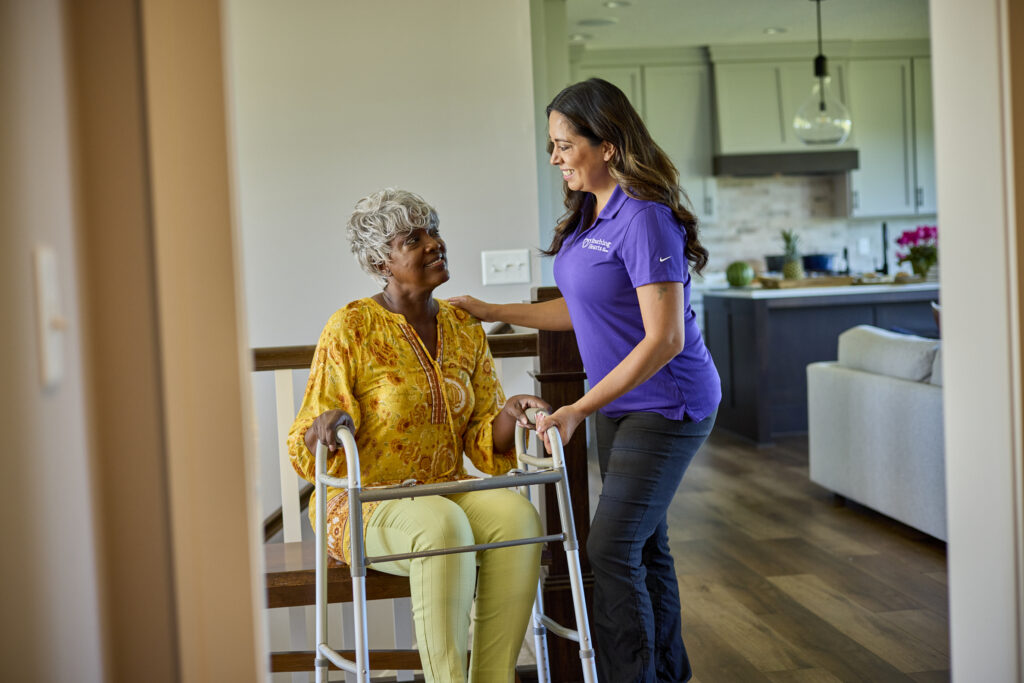
The first visit is often focused on introductions and helping everyone feel comfortable.
During this time, the caregiver will:
-
Get to know the senior and their personality
-
Review the care plan with the family
-
Learn the layout of the home
-
Discuss daily routines and preferences
This first meeting is not rushed. Building trust is one of the most important parts of successful caregiving, and caregivers take time to understand the senior’s comfort level and communication style.
Many seniors feel more relaxed once they realize the caregiver is there to help—not to take away their independence.
Establishing a Daily Routine
After the initial introduction, caregivers begin helping with daily routines outlined in the care plan.
Depending on the senior’s needs, this may include:
-
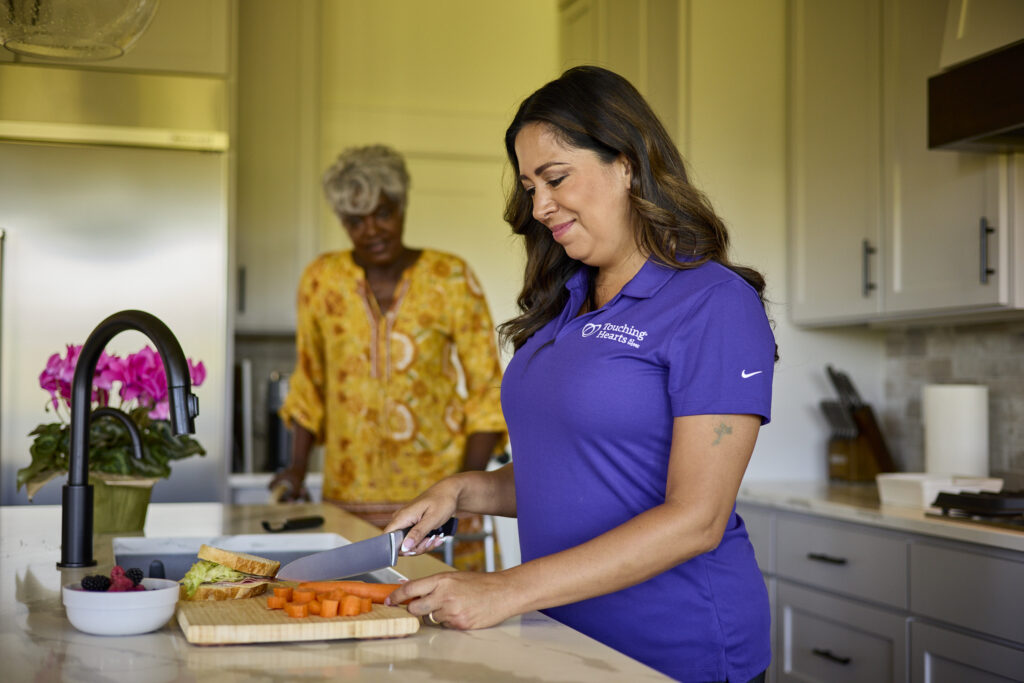
Preparing meals
-
Light housekeeping
-
Assistance with bathing or dressing
-
Medication reminders
-
Transportation to appointments
-
Friendly conversation and companionship
During the first week, routines may be adjusted slightly as caregivers learn what works best for the senior.
For example, meal times, activity schedules, or assistance levels may be refined to create a comfortable rhythm.
Building Trust and Comfort
One of the most important goals of the first week is developing a positive relationship between the caregiver and the senior.
This process often happens naturally through everyday interactions.
Caregivers may spend time:
-
Talking about hobbies or family stories
-
Looking through photos
-
Going for short walks
-
Sharing meals or conversation
These small moments help create familiarity and trust, which makes future care much smoother.
Many seniors in Greeley begin to see caregivers not just as helpers, but as supportive companions.
Monitoring Safety and Well-Being
Another key focus during the first week is observing the home environment and daily routines.
Caregivers may identify opportunities to improve safety, such as:
-
Removing tripping hazards
-
Improving lighting in walkways
-
Organizing frequently used items
-
Encouraging safer mobility around the home
During winter months across the Front Range, caregivers may also help monitor safe entryways and icy walkways that could increase fall risk.
These observations help families make small adjustments that protect their loved one’s safety.
Communicating With the Family
Families remain an important part of the care process.
Caregivers typically communicate regularly with family members about how the first week is going. This may include updates about:
-
Daily routines
-
Changes in appetite or mood
-
Mobility or safety concerns
-
Questions about care preferences
This communication helps ensure everyone stays informed and comfortable with the care plan.
If any adjustments are needed, they can be made quickly.
Adjusting the Care Plan
The first week is also a learning period.
As caregivers spend time with the senior, they may identify small changes that could improve comfort or support.
For example:
-
Adjusting care schedules
-
Adding help with additional tasks
-
Increasing companionship activities
-
Supporting mobility more frequently
Care plans are flexible and can evolve as needs change.
This adaptability helps ensure the senior continues receiving the right level of support.
How Families Often Feel After the First Week
Many families begin the first week feeling uncertain about how their loved one will react.
By the end of the week, however, it’s common for families to notice positive changes such as:
-
Reduced stress for family caregivers
-
Improved household routines
-
Increased companionship for the senior
-
Greater peace of mind about safety
Knowing a trusted caregiver is present can provide enormous relief for adult children who want the best for their parents but cannot manage every responsibility alone.
Compassionate Support for Families in Greeley
At Touching Hearts at Home, we understand that starting care for a loved one is an important milestone for families.
Our caregivers provide compassionate support that helps seniors remain safe, comfortable, and independent in the homes they love. By taking the time to build trust and establish routines, we help make the transition into care as smooth and reassuring as possible.
If you’re feeling unsure about your parent’s needs, Touching Hearts offers a free, no-pressure in-home consultation in Greeley. We’re here to support your family every step of the way.
Frequently Asked Questions
Families often have questions before starting in-home care for the first time.
How quickly can in-home care begin?
In many cases, care can begin soon after the consultation and care plan are completed, depending on caregiver availability and scheduling.
Will my parent feel uncomfortable having a caregiver in the home?
Some seniors may feel hesitant at first. However, most become comfortable once they build a relationship with the caregiver and see how helpful the support can be.
Can the care schedule be adjusted after the first week?
Yes. Care plans are flexible and can be adjusted based on the senior’s needs and family preferences.
What if my parent needs more help than expected?
Care plans can easily be updated to include additional support, longer visits, or different services.
Can family members stay involved in care?
Absolutely. In-home care is designed to work alongside family caregivers, allowing them to stay involved while sharing responsibilities.