Winter Safety Tips for Seniors in Fort Collins: Keeping Loved Ones Safe All Season
Winter in Fort Collins can be beautiful, but for families with aging parents, it can also bring a new layer of concern. Snow-covered sidewalks, icy driveways, and colder temperatures can quickly turn everyday routines into potential risks.
If you’ve started worrying about how your parent is managing during the winter months, you’re not alone. Many adult children across the Fort Collins region notice subtle changes this time of year—hesitation to go outside, difficulty keeping up with home maintenance, or increased isolation.
The good news is that with a few thoughtful adjustments, you can help your loved one stay safe, comfortable, and confident all winter long. In this guide, we’ll walk through practical winter safety tips tailored to seniors living in Fort Collins and throughout Northern Colorado.
Why Winter Can Be Risky for Seniors in Fort Collins
Winter conditions in Fort Collins bring unique challenges that can affect seniors more than younger adults. Understanding these risks is the first step toward prevention.
Slippery Surfaces and Fall Risks
Snow and ice are a regular part of life along the Front Range. Even a thin layer of ice on a driveway or walkway can lead to serious falls.
For seniors, falls can result in injuries that take longer to heal and may impact long-term independence.
Cold Temperatures and Health Concerns
Older adults are more sensitive to cold weather. It’s easier for body temperature to drop, which can increase the risk of hypothermia—even indoors if heating isn’t adequate.
Reduced Mobility and Isolation
Winter storms can make it harder to leave the house. This can lead to missed appointments, reduced physical activity, and increased feelings of loneliness.
Increased Household Hazards
From space heaters to snow buildup on roofs, winter introduces additional home safety concerns that families may not think about right away.
Preparing the Home for Winter Safety
A safe home environment is one of the most important ways to protect your parent during the colder months.
Clear and Maintain Walkways
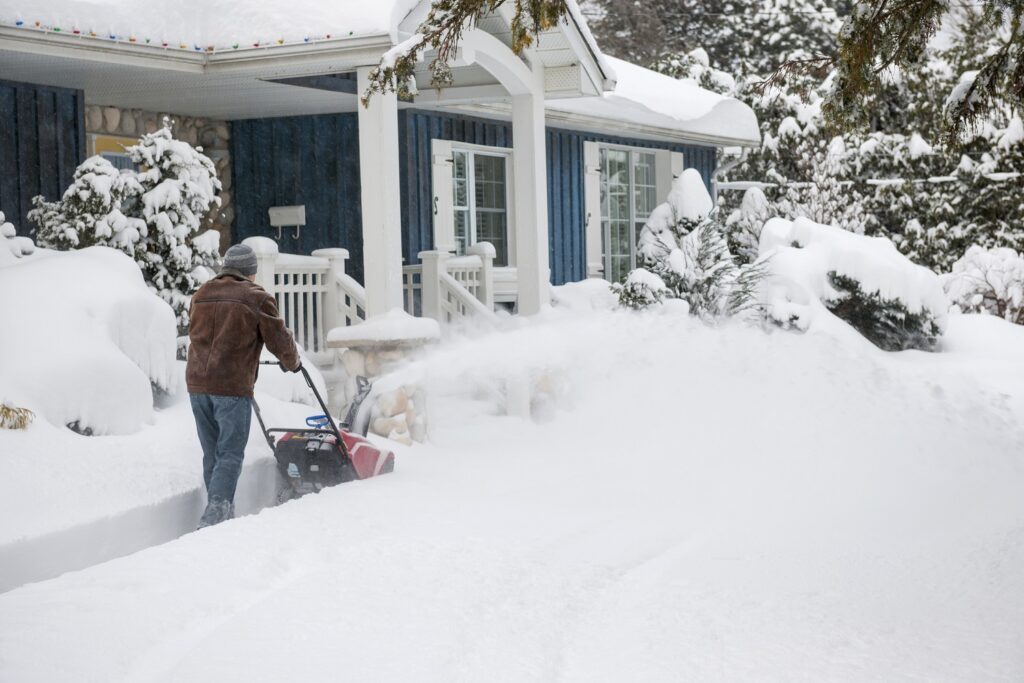
Make sure all entrances, sidewalks, and driveways are regularly cleared of snow and ice.
Consider:
- Hiring a local snow removal service in Fort Collins
- Applying ice melt or sand for traction
- Installing handrails near steps or sloped areas
Even small improvements can make a big difference in preventing slips.
Improve Lighting
Winter days are shorter, and visibility can be limited.
Ensure:
- Outdoor lights are bright and functioning
- Motion-sensor lights are installed near entryways
- Indoor spaces have adequate lighting, especially in hallways and bathrooms
Good lighting reduces the risk of trips and falls.
Check Heating Systems
Reliable heat is essential during Colorado winters.
Have the heating system inspected before temperatures drop, and make sure your parent knows how to adjust the thermostat safely. If needed, schedule a checkup with a local provider near Banner Fort Collins Medical Center.
Eliminate Indoor Hazards
Winter often means more time indoors, so it’s important to reduce fall risks inside the home as well.
Look for:
- Loose rugs or cords
- Cluttered pathways
- Slippery bathroom surfaces
Simple fixes like non-slip mats and grab bars can greatly improve safety.
Dressing for Colorado Winters
What your parent wears can have a big impact on their safety and comfort.
Layering for Warmth
Encourage your loved one to dress in layers rather than relying on one heavy coat. This allows them to adjust to changing temperatures throughout the day.
Proper Footwear
Shoes should:
- Have non-slip soles
- Fit securely
- Provide support on uneven or icy surfaces
Avoid smooth-bottom shoes or slippers when walking outside.
Don’t Forget Accessories
Warm hats, gloves, and scarves are essential. A significant amount of body heat can be lost through the head and extremities.
Staying Active Safely During Winter
It’s easy for seniors to become less active during the winter months, but movement is still important for strength, balance, and overall well-being.
Indoor Exercise Options
Encourage safe, indoor activities such as:
- Light stretching
- Walking around the home
- Chair exercises
Even small amounts of daily movement can help maintain mobility.
Community Resources in Fort Collins
Fort Collins offers senior centers and community programs that provide safe indoor activities during the winter. These can be a great way for your parent to stay active and socially engaged.
Preventing Illness During Cold Season
Winter isn’t just about snow—it’s also flu season.
Encourage Healthy Habits
Support your parent in:
- Washing hands regularly
- Staying hydrated
- Eating balanced meals
Stay Up to Date with Checkups
Routine visits to Banner Fort Collins Medical Center or a trusted provider can help catch potential issues early.
Monitor for Signs of Illness
Keep an eye out for:
- Fatigue
- Changes in appetite
- Increased confusion
Early attention can make a big difference.
Emergency Preparedness for Winter Storms
Colorado weather can change quickly. Being prepared helps reduce stress for both you and your parent.
Create an Emergency Kit
Make sure your parent has:
- Flashlights and batteries
- Bottled water
- Non-perishable food
- Extra blankets
- A charged phone or backup power source
Plan for Power Outages
Discuss what your parent should do if the power goes out. Make sure they know who to call and how to stay warm safely.
Keep Important Contacts Accessible
Post a list of emergency contacts in an easy-to-find location. Include family members, neighbors, and local services in Fort Collins.
Transportation and Driving Safety
Winter driving can be especially challenging for seniors.
Evaluate Driving Conditions
Encourage your parent to avoid driving during snowstorms or icy conditions.
Explore Alternative Options
Consider:
- Family assistance
- Local transportation services
- Grocery or prescription delivery options in Fort Collins
Reducing the need to drive can significantly improve safety.
How In-Home Care Supports Winter Safety
Sometimes, even with the best preparation, winter can feel overwhelming for both seniors and their families.
In-home care can provide valuable support, especially during the colder months.
Assistance with Daily Tasks
Caregivers can help with:
- Meal preparation
- Light housekeeping
- Medication reminders
Help with Mobility and Fall Prevention
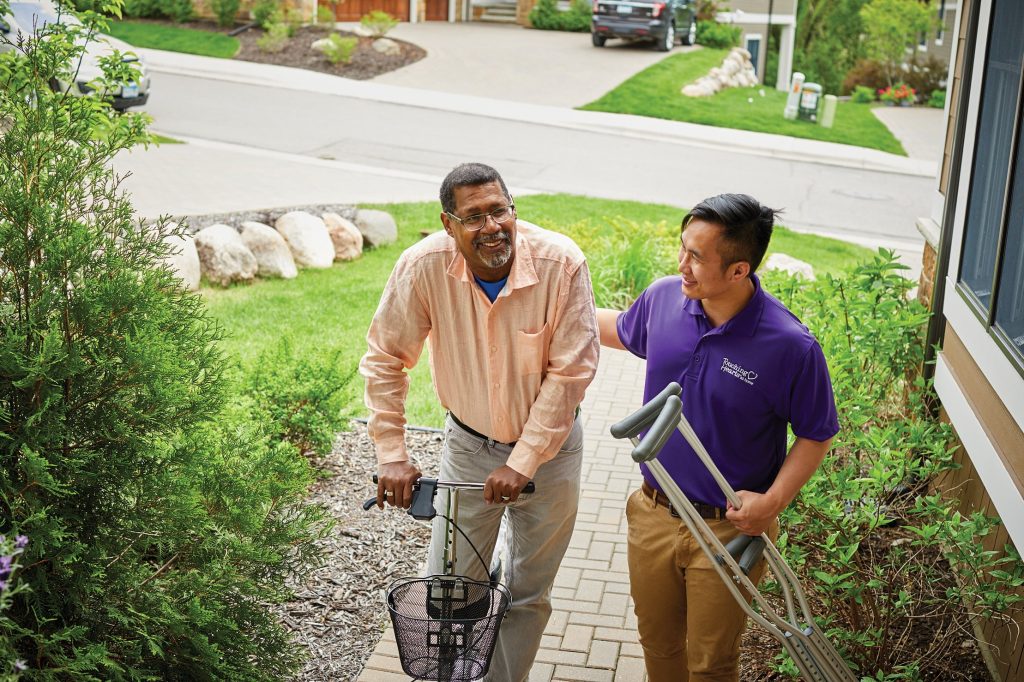
Having someone nearby can reduce the risk of falls and provide immediate assistance if needed.
Companionship During Isolating Months
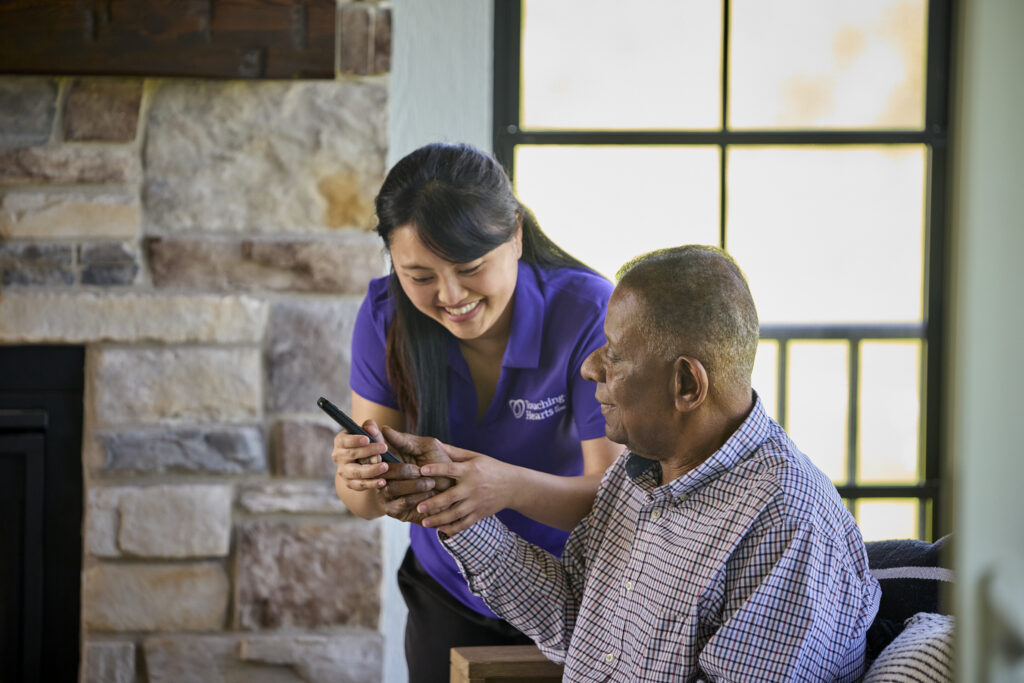
Winter can feel long and lonely. Regular visits from a caregiver offer meaningful social interaction and emotional support.
Peace of Mind for Families
Knowing someone is checking in regularly can ease the worry many adult children feel during winter in Fort Collins.
Recognizing When Extra Help May Be Needed
Winter often highlights challenges that may not be as noticeable during other seasons.
Watch for signs such as:
- Difficulty walking safely
- Missed appointments
- Trouble keeping the home warm or maintained
- Increased isolation or withdrawal
If you’re noticing these changes, it may be time to explore additional support options.
If you’re feeling unsure about your parent’s needs, Touching Hearts offers a free, no-pressure in-home consultation in Fort Collins. We’re here to support your family every step of the way.
Frequently Asked Questions
Winter safety can raise a lot of concerns for families, especially in Northern Colorado. Here are answers to some common questions.
How can I prevent my parent from slipping on ice?
Regularly clearing walkways, adding ice melt, and ensuring proper footwear with non-slip soles can greatly reduce the risk of falls.
What temperature should a senior’s home be in winter?
A comfortable indoor temperature is typically around 68–72°F, but it’s important to ensure your parent feels warm and safe. Extra layers and blankets can help.
Should seniors avoid going outside in winter?
Not entirely. Fresh air and movement are still important, but outings should be limited during extreme cold, snow, or icy conditions.
How do I know if my parent is too cold?
Signs may include shivering, confusion, or unusual fatigue. If you notice these, it’s important to warm them up and monitor closely.
What if my parent lives alone during winter?
Consider regular check-ins, either by family or a caregiver. In-home support can provide both safety and companionship during the colder months.