Winter Safety Tips for Seniors in Windsor
Winter in Windsor can be beautiful, with snow-covered landscapes and crisp mountain air across the Fort Collins area. But for older adults, the colder months can also bring unique challenges. Ice-covered sidewalks, freezing temperatures, and shorter daylight hours can increase safety risks for seniors living at home.
Many families begin to notice these seasonal challenges when a parent struggles with tasks like shoveling snow, navigating icy driveways, or driving to appointments at UCHealth Family Medicine – Windsor during storms.
The good news is that with a little preparation and the right support, seniors can remain safe, comfortable, and independent throughout the winter season. Understanding common winter risks and how to prevent them can help Windsor families protect their loved ones during the colder months.
Why Winter Can Be More Dangerous for Seniors
Winter weather can affect seniors in several ways. As we age, balance, strength, and reaction time may naturally change. These factors can make icy conditions particularly hazardous.
Cold temperatures can also affect circulation and increase the risk of conditions like hypothermia if seniors are not properly dressed or if heating systems are inadequate.
In addition, shorter days may lead to reduced activity levels and increased social isolation. When seniors spend long periods indoors alone, both physical and emotional health can be affected.
Because of these factors, winter safety planning is especially important for older adults living independently in Windsor.
Preventing Falls on Ice and Snow
Falls are one of the most common winter risks for seniors. Even a small slip on an icy sidewalk can lead to serious injury.
Families can help reduce fall risks by taking a few simple precautions around the home.
Clear Walkways and Driveways
Snow and ice should be removed regularly from sidewalks, entryways, and driveways.
Using ice melt or sand can improve traction and reduce slipping hazards. Many families arrange for regular snow removal during the winter months so seniors don’t have to handle this task themselves.
Encourage Proper Footwear
Shoes with non-slip soles and good traction are essential during icy weather.
Avoid smooth-soled shoes or loose-fitting boots that could increase the risk of slipping.
Some seniors also benefit from removable ice grips that attach to the bottom of shoes for added stability.
Improve Outdoor Lighting
Winter days are shorter, which means many errands happen in low light conditions.
Ensuring entryways, walkways, and garage areas are well lit can help seniors see potential hazards more clearly.
Motion-sensor lights can be particularly helpful during darker evenings.
Staying Warm and Comfortable Indoors
Cold temperatures can pose health risks if homes are not properly heated.
Seniors may be more sensitive to cold and may not always notice when the temperature inside the home drops too low.
Families can help ensure indoor comfort by:
-
Checking that heating systems are functioning properly
-
Setting thermostats to safe temperatures
-
Sealing drafts around windows and doors
-
Providing warm blankets and layered clothing
It’s also important to make sure space heaters are used safely and placed away from flammable materials.
Maintaining Healthy Nutrition During Winter
When winter weather makes grocery shopping more difficult, seniors may skip meals or rely on less nutritious foods.
Proper nutrition supports immune health and helps maintain energy during colder months.
Families and caregivers can help by:
-
Preparing nutritious meals in advance
-
Assisting with grocery shopping
-
Ensuring healthy snacks are easily accessible
-
Encouraging regular hydration
Warm soups, stews, and balanced meals can be comforting and nourishing during the winter season.
Staying Active During Colder Months
Cold weather can reduce outdoor activity, but maintaining regular movement is still important for seniors.
Gentle indoor activities help support strength, balance, and circulation.
Some ideas include:
-
Light stretching routines
-
Walking indoors at community centers
-
Simple chair exercises
-
Engaging in hobbies that keep the body moving
Remaining active helps reduce stiffness and supports overall well-being during the winter months.
Preventing Winter Isolation
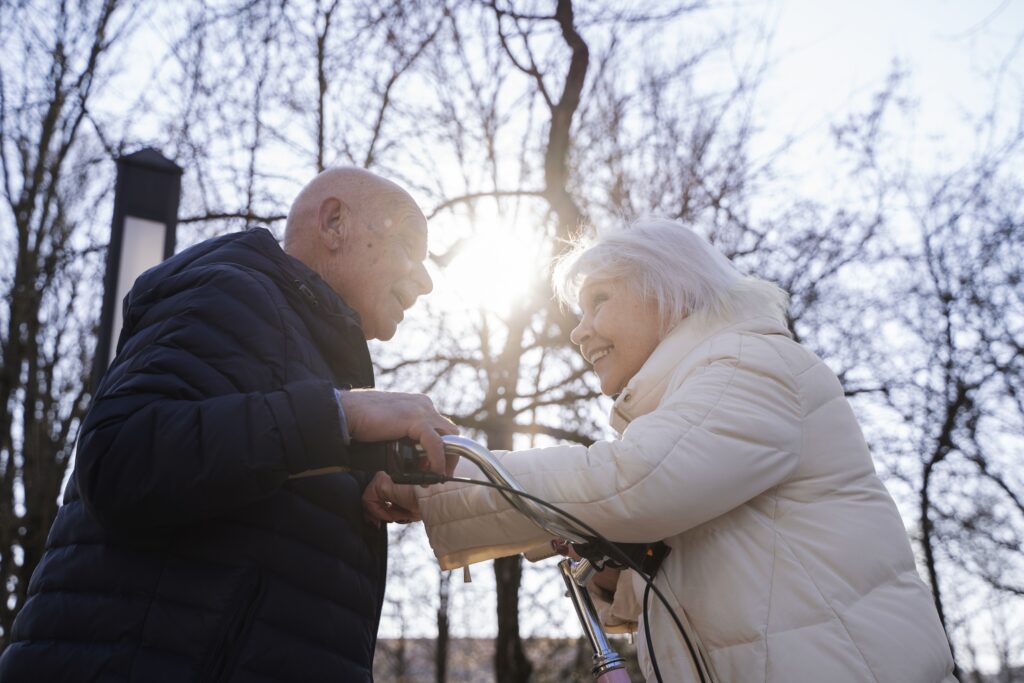
Winter can sometimes increase feelings of loneliness, particularly when weather makes it harder to visit friends or attend community events.
Social connection plays an important role in emotional health for seniors.
Families can support connection by:
-
Scheduling regular visits or phone calls
-
Encouraging participation in local activities when possible
-
Helping seniors stay connected with friends and neighbors
-
Arranging companionship visits from caregivers
Even simple conversations and shared activities can brighten a winter day.
How In-Home Care Supports Winter Safety
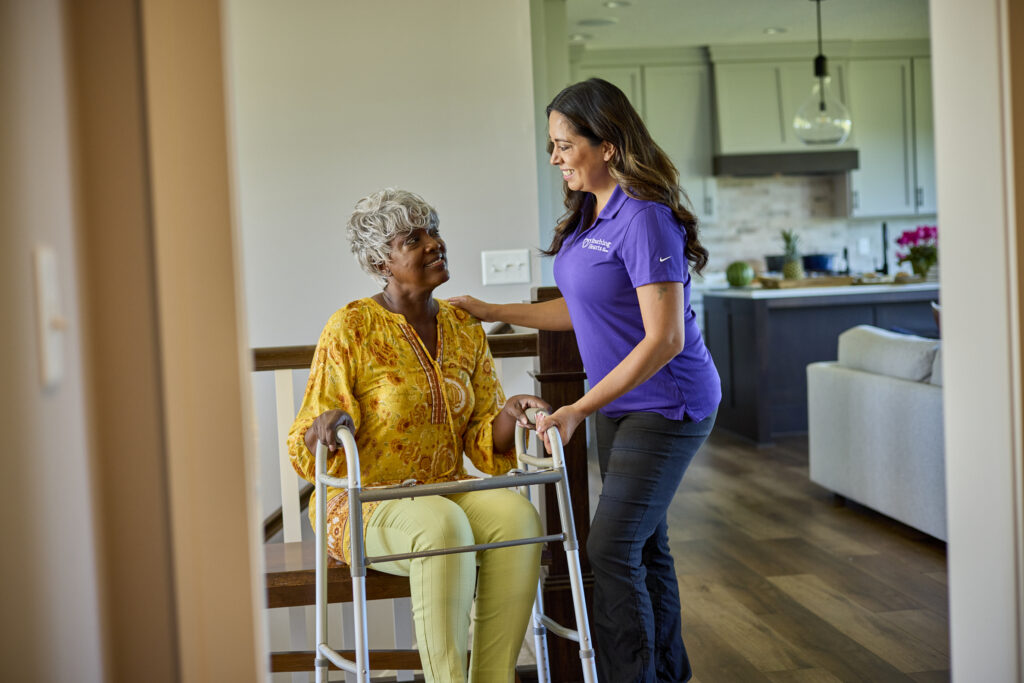
For many Windsor families, in-home caregivers provide valuable support during the colder months.
Caregivers can assist seniors with:
-
Safe mobility around the home
-
Meal preparation and nutrition
-
Transportation to appointments
-
Light housekeeping
-
Companionship and social engagement
-
Monitoring safety during winter weather
This extra layer of support helps seniors remain comfortable and independent while reducing the risks associated with winter conditions.
Supporting Windsor Seniors Through the Winter Season
Winter in Windsor can still be an enjoyable and cozy time of year when the right precautions are in place. By preparing the home, maintaining healthy routines, and ensuring regular support, families can help seniors stay safe and comfortable all season long.
At Touching Hearts at Home, we understand the unique challenges that winter weather can bring for seniors and their families. Our caregivers provide compassionate assistance designed to help older adults remain safe, warm, and independent in their homes.
If you’re feeling unsure about your parent’s needs, Touching Hearts offers a free, no-pressure in-home consultation in Windsor. We’re here to support your family every step of the way.
Frequently Asked Questions
Many families have questions about protecting seniors during the winter months.
Why are seniors more vulnerable during winter?
Older adults may experience reduced balance, slower reaction times, and increased sensitivity to cold temperatures, which can make winter conditions more hazardous.
How can families reduce fall risks during winter?
Keeping walkways clear of snow and ice, improving lighting, and ensuring proper footwear can significantly reduce the risk of falls.
What indoor temperature is safe for seniors during winter?
Most experts recommend maintaining indoor temperatures around 68–72°F to ensure comfort and prevent cold-related health issues.
How can seniors stay active when it’s too cold outside?
Indoor activities such as stretching, walking indoors, and light exercise routines can help maintain strength and mobility during winter.
Can caregivers help seniors during winter storms?
Yes. Caregivers can assist with meals, mobility, safety monitoring, and companionship when weather conditions make daily tasks more difficult.