Non-Medical vs Medical Home Care in Colorado: What Thornton Families Should Know
When you start noticing changes in your parent’s daily abilities, one of the first questions that often comes up is what type of care they truly need. Many families in Thornton find themselves trying to understand the difference between non-medical home care and medical home care, and which option fits their parent’s situation best. It can feel confusing at first, especially when you’re trying to make the safest and most compassionate choice.
Here in Colorado—where snowy and icy roads, spread-out neighborhoods, and changing seasons can complicate daily life—the right type of support can make a meaningful difference. Whether your parent is experiencing early mobility changes, memory challenges, or simply needs companionship, understanding the distinction between these two care types helps you make confident decisions.
This guide explains non-medical home care vs. medical home care in simple, practical terms tailored to Thornton families.
What Non-Medical Home Care Provides
Non-medical home care (sometimes called companion or personal care) focuses on helping seniors with everyday tasks so they can continue living safely and comfortably at home.
Key services include:
-
Help with bathing, dressing, and grooming
-
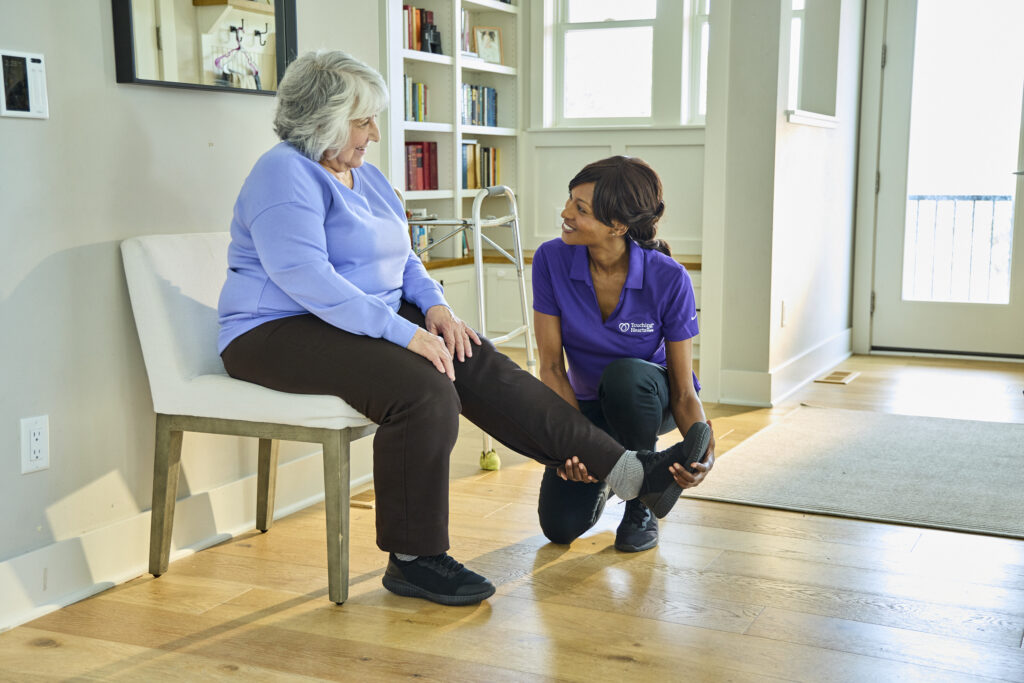
Mobility and fall-prevention support
-
Light housekeeping and laundry
-
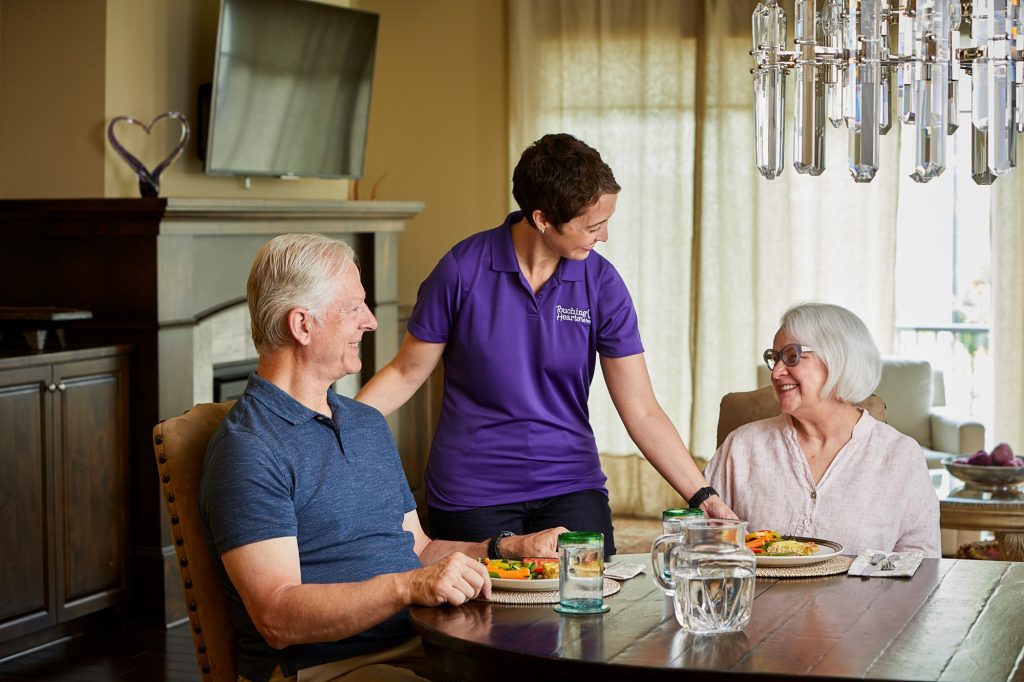
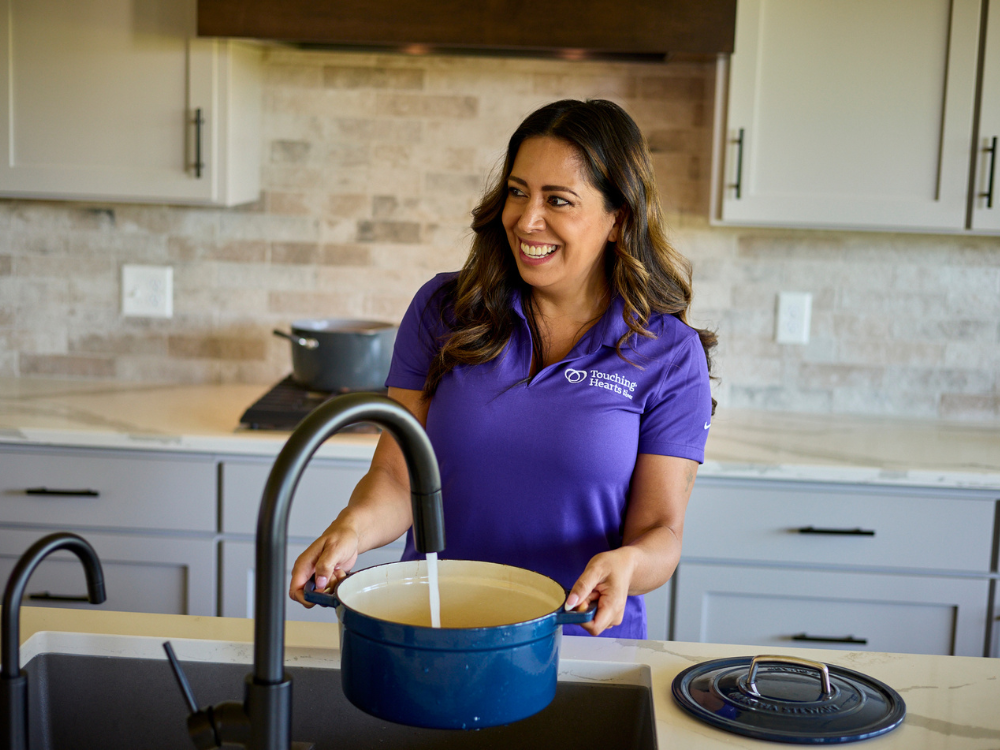
Meal planning and meal preparation
-
Medication reminders
-
Transportation to errands or appointments
-
Companionship, conversation, and emotional support
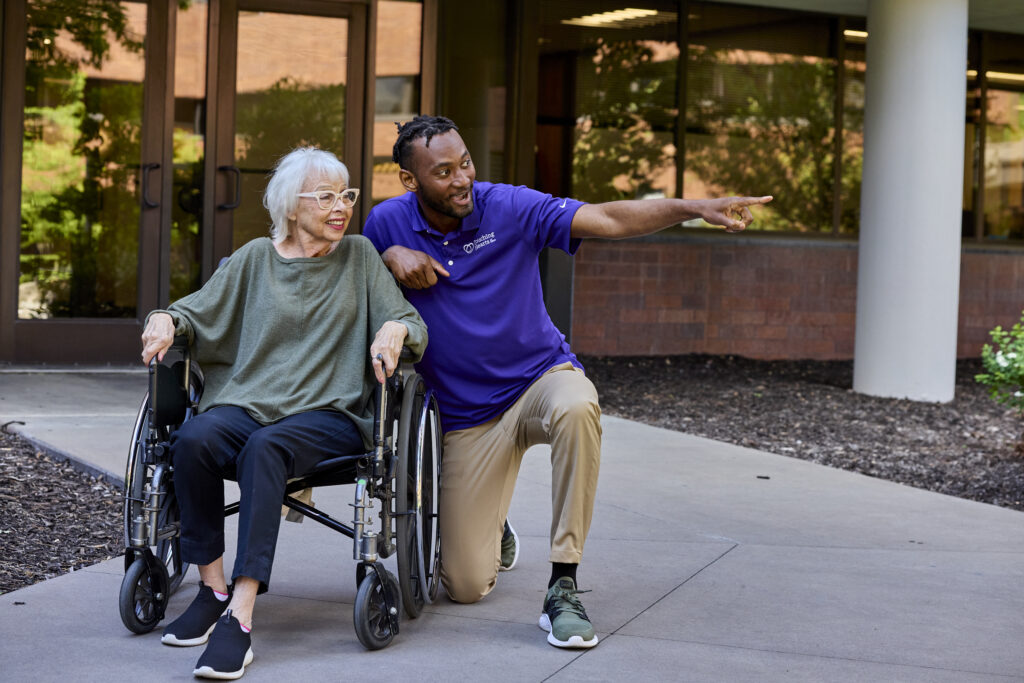
Non-medical caregivers can also keep an eye on home safety—especially important during cold months when snowy and icy roads make getting out more difficult.
Who benefits most from non-medical home care?
-
Seniors who want to age in place in their Thornton home
-
Parents who feel lonely or isolated
-
Seniors needing support with routines
-
Individuals recovering from illness or hospitalization
-
Adults noticing increased fall risks or balance issues
Non-medical home care is highly flexible, offering support from a few hours a week to full-time schedules.
What Medical Home Care Provides
Medical home care, often called home health care, is a clinical service provided by licensed medical professionals.
Key services include:
-
Wound care
-
Physical, speech, or occupational therapy
-
Skilled nursing support
-
Chronic condition monitoring
-
Medication administration or injections
-
Post-surgery recovery care
Medical home care often follows a hospitalization, surgery, or diagnosis that requires clinical oversight.
Who benefits most from medical home care?
-
Seniors recently discharged from a hospital such as North Suburban Medical Center or other nearby hospitals
-
Individuals needing wound care or therapy
-
Seniors with conditions that require medical supervision
-
Parents who need short-term skilled support after illness or injury
Medical home care typically occurs for a defined period and is often ordered by a physician.
How Non-Medical and Medical Home Care Work Together
In many cases, seniors benefit from both types of care at different times.
Common scenarios:
-
A senior is discharged from the hospital with short-term medical needs—but also needs non-medical help at home
-
A parent receives physical therapy from medical home health but needs ongoing support with meals, safety, and companionship
-
A senior’s chronic condition stabilizes, but they still need support preventing falls, managing loneliness, or navigating daily routines
The two services complement each other, creating well-rounded support.
How to Know Which Type of Care Your Parent Needs
Consider non-medical home care if your parent:
-
Has had small falls or balance concerns
-
Seems lonely or isolated
-
Struggles with cooking, dressing, or hygiene
-
Needs help staying on routine
-
Worries about driving on snowy and icy roads
-
Lives alone and would benefit from companionship
Consider medical home care if your parent:
-
Has recently been hospitalized
-
Needs wound or surgical recovery care
-
Has complex medical needs
-
Requires monitoring by a nurse or therapist
If you’re unsure, starting with non-medical home care is often a gentle, effective first step. Many families in Thornton choose this route because it provides immediate safety, comfort, and relief—without overwhelming their parent.
Why Non-Medical Home Care Is Essential in Thornton
Non-medical home care plays a crucial role in helping seniors remain independent, especially in a city like Thornton where winter conditions and Colorado’s climate can make life harder for aging adults.
In Thornton, caregivers help seniors:
-
Navigate icy driveways and sidewalks
-
Stay connected and active even during cold weather
-
Maintain routines that support emotional well-being
-
Prevent falls—the leading cause of senior injuries
-
Reduce isolation during long winter days
-
Keep the home clean, safe, and organized
For many families, this level of consistent support brings peace of mind all year long.
How to Talk to Your Parent About the Type of Care They Need
Discussing care with your parent can feel delicate. Try approaching the conversation with empathy and patience.
Tips that help:
-
Focus on safety and comfort, not limitations
-
Explain how a caregiver can make life easier
-
Start with small amounts of support
-
Emphasize that they remain independent and in control
-
Share your own concerns with kindness
Most parents respond positively once they experience the relief and companionship a caregiver provides.
Frequently Asked Questions
Does non-medical home care replace medical care?
No. Non-medical home care supports daily living, while medical home care provides clinical services.
Can my parent receive both types of care?
Yes. Many seniors benefit from a combination, especially after a hospital stay at North Suburban Medical Center or other nearby hospitals.
Is non-medical home care covered by insurance?
Some long-term care policies may help, but it is typically private pay.
Can caregivers help with transportation?
Yes—when conditions are safe. This is especially helpful on snowy and icy road days.
What if my parent insists they don’t need help?
Start small. A few hours a week often feels less overwhelming.
If you’re feeling unsure about your parent’s needs, Touching Hearts offers a free, no-pressure in-home consultation in Thornton. We’re here to support your family every step of the way.