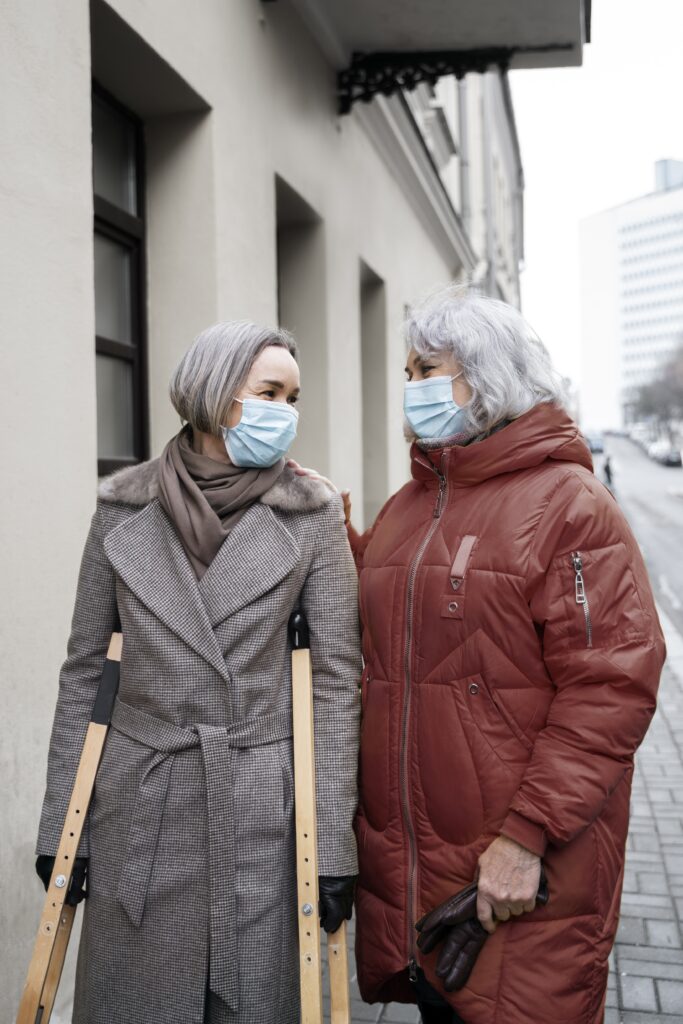
Winter Safety Tips for Seniors in Longmont
Winter in Colorado can be beautiful, especially when the Front Range is dusted with fresh snow. But for older adults living in Longmont, winter also brings added risks that families shouldn’t ignore. Shorter days, icy sidewalks, and colder temperatures can quickly turn everyday routines into safety concerns.
If you’re an adult child watching your parent age, winter may be the season when worries feel heavier. You might notice they’re moving more slowly, hesitating to go outside, or struggling with tasks that once felt simple. These changes are common—and they’re not a sign of failure. They’re a sign that extra support and planning can make a real difference.
In this article, we’ll walk through practical winter safety tips for seniors in Longmont, focusing on fall prevention, home safety, health protection, and peace of mind for families. With the right steps in place, winter can remain a season of comfort rather than concern.
Why Winter Can Be Riskier for Seniors in Longmont
Longmont’s winters bring a unique mix of challenges. While we enjoy sunny days along the Front Range, sudden snowstorms, icy mornings, and fluctuating temperatures are common. For seniors, these conditions increase the risk of falls, illness, and isolation.
Cold weather can stiffen joints and muscles, making balance more difficult. Snow-packed sidewalks and icy driveways add another layer of danger, even for seniors who are usually steady on their feet. Reduced daylight can also affect mood and energy levels, leading some older adults to stay indoors more than is healthy.
Understanding these risks is the first step toward preventing them—and helping your parent stay safe and confident throughout the winter months.
Preventing Falls During Icy Colorado Winters
Falls are one of the most common winter-related concerns for seniors, especially when ice and snow are involved.
Making Outdoor Areas Safer
Start by looking outside your parent’s home. Walkways, porches, and driveways should be cleared promptly after snowfall. In Longmont, overnight freezes can turn melting snow into slick ice by morning, so regular maintenance is important.
Encourage the use of ice melt that’s safe for concrete and gentle on shoes. Railings near steps and entryways provide extra support and should be sturdy and easy to grip.
Safer Footwear Choices
Winter footwear matters more than many seniors realize. Shoes or boots with non-slip soles and good ankle support can reduce the risk of slipping. Indoors, well-fitting slippers with rubber soles are safer than socks alone, especially on tile or hardwood floors.
Mobility Aids in Winter Conditions
Canes and walkers can be helpful, but they need to be winter-ready. Ice tips or rubber grips can improve stability on slippery surfaces. If your parent resists using mobility aids, framing them as tools for independence rather than weakness can help ease that transition.
Keeping the Home Warm and Safe
A warm home isn’t just about comfort—it’s about safety.
Managing Indoor Temperatures
Seniors are more sensitive to cold, and keeping the home at a consistent, comfortable temperature is important. If your parent worries about heating costs, this can become a safety issue. Layered clothing, warm blankets, and space heaters used safely can help—but space heaters should always be monitored and kept clear of flammable items.
Preventing Winter Home Hazards
Winter often means more clutter—boots by the door, extra rugs, and holiday decorations. These can quickly become tripping hazards. Clear pathways, secure loose rugs, and make sure cords and decorations are out of walking areas.
Good lighting is also essential during darker winter days. Adding nightlights in hallways and bathrooms can help prevent nighttime falls.
Staying Healthy During Cold and Flu Season
Winter brings an increase in seasonal illnesses, which can hit seniors harder.
Supporting Immune Health
Simple habits can go a long way. Regular handwashing, balanced meals, and staying hydrated help support overall health. Seniors may drink less water in winter, so gentle reminders can be helpful.
Managing Appointments and Medications
Cold weather and snowy roads can make it harder to get to appointments at CommonSpirit Longmont United Hospital or local medical offices. Planning ahead—rescheduling non-urgent visits during storms or arranging transportation—can reduce stress and missed care.
Medication routines can also be disrupted during winter, especially if illness or weather changes daily schedules. Consistent reminders and organization help keep routines on track.
Avoiding Isolation During Long Winter Months
Winter can be lonely, especially when seniors limit outings due to weather.
Encouraging Safe Social Connection
Social isolation affects both emotional and physical health. Phone calls, video chats, and short, safe visits can help your parent feel connected even when roads are icy. Local senior centers in Westminster often offer virtual programs during winter months, providing social interaction without travel.
Supporting Emotional Well-Being
Short days and less sunlight can impact mood. Encouraging time near windows, light activity indoors, and meaningful conversation can help lift spirits. Even small routines—like morning coffee together or an evening check-in call—can make winter feel less heavy.
Winter Driving Safety for Older Adults
Driving in winter conditions can be stressful for seniors.
Knowing When to Limit Driving
Snow-covered roads, glare from the sun on ice, and reduced visibility increase accident risk. If your parent still drives, having honest, compassionate conversations about winter driving limits can help keep them safe without taking away independence entirely.
Backup Transportation Options
Planning ahead makes a difference. Grocery delivery, rides from family, or caregiver transportation support can reduce the need to drive during storms. Knowing there’s a reliable alternative helps seniors feel secure staying home when conditions are unsafe.
How In-Home Support Helps Seniors Stay Safe in Winter
Sometimes, even with the best planning, winter feels overwhelming for seniors and families alike.
Extra support at home can help with daily routines, meal preparation, light housekeeping, and companionship during long winter days. Having a consistent caregiver also provides another set of eyes to notice changes—like increased unsteadiness or signs of illness—before they become emergencies.
For many families in Longmont, in-home care offers reassurance that their parent is safe, supported, and not facing winter alone.
Frequently Asked Questions
How can I tell if winter weather is becoming too risky for my parent?
If your parent is falling, avoiding necessary outings, or expressing fear about ice and cold, winter may be increasing their risk. Changes in mobility or confidence are important signals to pay attention to.
What are the biggest winter fall risks for seniors in Longmont?
Icy sidewalks, wet entryways, poor lighting, and inappropriate footwear are common contributors. Indoor clutter and loose rugs also play a role during winter months.
Should seniors avoid going outside entirely in winter?
Not necessarily. Fresh air and movement are healthy, but outings should be planned around weather conditions. Short walks on cleared paths and outings during daylight hours are safer options.
How can I help my parent stay warm without increasing fire risk?
Focus on safe heating practices, layered clothing, and warm blankets. Space heaters should be used carefully and never left unattended.
When should families consider extra help during winter?
If winter routines feel stressful, unsafe, or overwhelming for your parent—or for you—it may be time to explore additional support to maintain safety and independence.
If you’re feeling unsure about your parent’s needs, Touching Hearts offers a free, no-pressure in-home consultation in Longmont. We’re here to support your family every step of the way.