
Dementia Care at Home in Broomfield: What Families Need to Know
When a parent begins showing signs of memory loss, confusion, or personality changes, it can feel heartbreaking and overwhelming.
Maybe your mom has started repeating the same questions. Maybe your dad got lost driving to a familiar grocery store in Broomfield. Or perhaps you’ve noticed subtle shifts — unpaid bills, forgotten appointments, or increased anxiety during the evening hours.
If your loved one has been diagnosed with Alzheimer’s disease or another form of dementia — or you suspect cognitive changes are developing — you are not alone. Many families in Broomfield and the surrounding Westminster area are walking this same path.
The good news is that with the right support, individuals living with dementia can remain safely at home longer than many families expect. In this guide, we’ll walk through what dementia care at home looks like, how it helps, and what to consider as you plan next steps.
Understanding Dementia Beyond Memory Loss
Dementia is not a single disease — it’s a term used to describe a collection of symptoms that affect memory, reasoning, communication, and behavior.
While memory loss is often the first noticeable sign, dementia can also impact:
-
Judgment and decision-making
-
Ability to follow multi-step tasks
-
Mood and personality
-
Awareness of time and place
-
Physical coordination
Over time, these changes affect daily living activities. Tasks that once felt automatic — bathing, dressing, preparing meals — may become confusing or unsafe.
For families in Broomfield, early support can make a meaningful difference in maintaining stability and dignity.
Why Many Families Choose Dementia Care at Home
Home is more than a physical space. It holds routines, memories, and comfort.
For someone living with dementia, familiarity is especially important. Remaining in a well-known environment can:
-
Reduce confusion
-
Lower anxiety
-
Prevent unnecessary agitation
-
Support consistent routines
-
Preserve independence longer
Transitions to unfamiliar settings can sometimes increase disorientation. That’s why many Broomfield families explore in-home dementia care before considering residential memory care communities.
What Dementia Care at Home Includes
Dementia care is different from general companion care. It requires specialized understanding, patience, and skill.
Professional caregivers trained in memory support can assist with:
Personal Care With Dignity
As dementia progresses, personal hygiene may decline — not out of stubbornness, but confusion. A caregiver can gently assist with:
-
Bathing
-
Dressing
-
Grooming
-
Toileting
All while maintaining respect and preserving your parent’s sense of dignity.
Structured Daily Routines
Predictable routines help reduce anxiety.
Caregivers can establish consistent schedules for:
-
Meals
-
Medication reminders
-
Light exercise
-
Rest periods
-
Engaging activities
Structure provides comfort and stability.
Cognitive Engagement
While dementia is progressive, mental stimulation still matters.
Caregivers may incorporate:
-
Music from earlier decades
-
Photo albums and storytelling
-
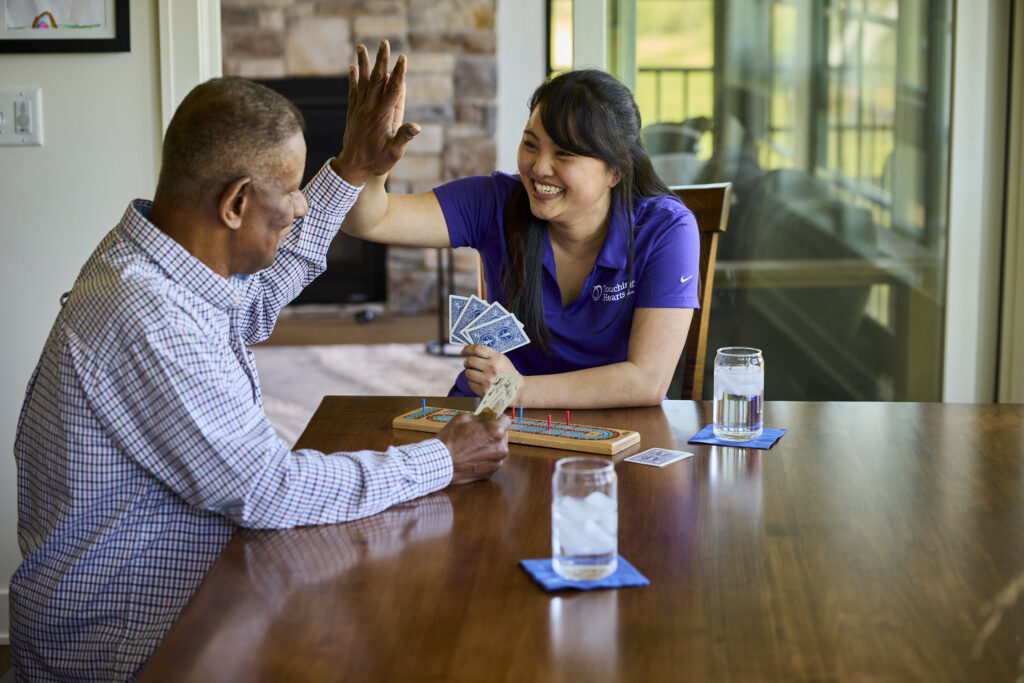
Simple puzzles or games
-
Gentle conversation
These activities support connection and joy.
Safety Monitoring
Safety is one of the biggest concerns for families in Broomfield.
Dementia can increase risk of:
-
Wandering
-
Leaving appliances on
-
Falls
-
Medication mismanagement
Having a trained caregiver present — even part-time — provides protective oversight.
Early Signs That Extra Support May Be Needed
It can be difficult to know when to bring in help. Watch for:
-
Missed medications
-
Unexplained bruises
-
Spoiled food in the refrigerator
-
Getting lost in familiar areas
-
Increased nighttime confusion
-
Personality changes
If you’re noticing these patterns, a professional assessment can help determine appropriate next steps.
The Emotional Impact on Family Caregivers
Caring for a parent with dementia is emotionally complex.
You may experience:
-
Grief for gradual changes
-
Frustration during repeated conversations
-
Guilt for feeling overwhelmed
-
Anxiety about the future
In Broomfield, many adult children balance careers, children, and caregiving simultaneously. Without support, burnout becomes common.
In-home dementia care doesn’t replace your role — it protects it. It allows you to step back into being a daughter or son rather than a full-time caregiver.
Addressing Wandering and Outdoor Safety in Broomfield
Broomfield’s neighborhoods, parks, and walking paths are beautiful — but for someone with dementia, they can also present risks.
If wandering is a concern:
-
Install door alarms
-
Use GPS-enabled devices if appropriate
-
Ensure proper lighting around entryways
-
Remove tripping hazards
Colorado winters add another layer of risk. Snow and icy sidewalks increase fall potential, especially if someone leaves the house unsupervised.
Professional caregivers are trained to monitor these behaviors and intervene calmly.
When Dementia Progresses
Dementia is a progressive condition. Needs change over time.
Early stages may require only companionship and reminders. Middle stages often involve hands-on personal care. Later stages may require more comprehensive, around-the-clock support.
The advantage of in-home care is flexibility. Services can grow gradually based on your parent’s changing needs.
This approach helps families in Broomfield plan thoughtfully rather than react in crisis.
Creating a Safe and Supportive Home Environment
Beyond caregiving support, simple home adjustments can help:
-
Label drawers and cabinets
-
Remove excess clutter
-
Install grab bars in bathrooms
-
Simplify clothing choices
-
Lock up hazardous materials
Small changes reduce confusion and improve safety.
If hospitalizations occur at UCHealth Broomfield Hospital, coordinating discharge plans with in-home support ensures smoother transitions back home.
You Don’t Have to Navigate This Alone
A dementia diagnosis changes the landscape of caregiving — but it doesn’t eliminate hope, connection, or meaningful moments.
With compassionate, structured support, many individuals in Broomfield continue to live at home safely while maintaining routines and relationships that matter most.
The journey may feel uncertain, but you do not have to carry it by yourself.
If you’re feeling unsure about your parent’s needs, Touching Hearts offers a free, no-pressure in-home consultation in Broomfield. We’re here to support your family every step of the way.
Frequently Asked Questions
Families often have many questions about dementia care at home. Here are a few we commonly hear in Broomfield.
How is dementia care different from regular home care?
Dementia care includes specialized training in memory support, behavior management, and communication techniques tailored to cognitive decline.
Can someone with dementia safely live alone?
In early stages, some individuals can live alone with monitoring and part-time support. As symptoms progress, increased supervision is typically necessary for safety.
How many hours of care are usually needed?
It depends on the stage of dementia and safety concerns. Some families begin with 10–15 hours per week, while others require daily or 24-hour support.
What if my parent resists outside help?
Resistance is common. Introducing care gradually and framing it as companionship rather than “caregiving” can ease the transition.
When should we consider full-time care?
If wandering, nighttime confusion, fall risk, or medical complications increase, a higher level of supervision may be appropriate. An in-home assessment can guide that decision.