Dementia Care at Home: What Colorado Families Need to Know in Boulder
When you begin noticing changes in your parent’s memory, behavior, or daily routines, it can stir up worry and uncertainty. Many families in Boulder experience this same turning point—wondering whether these changes are part of normal aging or early signs of dementia. It’s a deeply emotional moment, filled with questions about safety, independence, and what support might look like at home.
In Boulder’s unique landscape—where snowy and icy roads in winter, steep driveways, and active lifestyles are part of daily life—the challenges of dementia can become even more pronounced. Families often express concern about wandering, falls, missed appointments, or increased confusion, especially during darker winter evenings or unpredictable weather.
This guide offers gentle, practical insight into what dementia care at home can look like in Boulder, what families should expect, and how the right support can help your loved one maintain dignity, security, and connection.
Understanding Dementia in Daily Life
Dementia isn’t a single condition—it’s a broad term that describes changes in memory, communication, reasoning, and behavior. These shifts often progress gradually, and each person experiences them differently.
What your parent may be facing day to day
- Forgetting recent events or conversations
- Difficulty completing familiar tasks
- Changes in mood or personality
- Becoming overwhelmed in noisy or unfamiliar places
- Increased confusion during cold, darker months
- Heightened anxiety when navigating Boulder’s busy or wintertime traffic
Early support helps make each day feel calmer and more predictable.
Why Home Is Often the Best Place for Dementia Care
Many Boulder families want their loved ones to remain in familiar surroundings, where routines feel natural and comforting. Home provides memories, consistency, and a sense of safety—elements that can be grounding for someone living with dementia.
Benefits of at-home dementia care
- A familiar environment helps reduce confusion
- Fewer disruptions or overstimulation
- Personalized routines tailored to your parent’s comfort
- Companionship that builds trust and eases anxiety
- Safer mobility support, especially on snowy and icy roads
- Flexibility for changing needs over time
Home care brings stability where it matters most.
The Role of a Dementia-Trained Caregiver
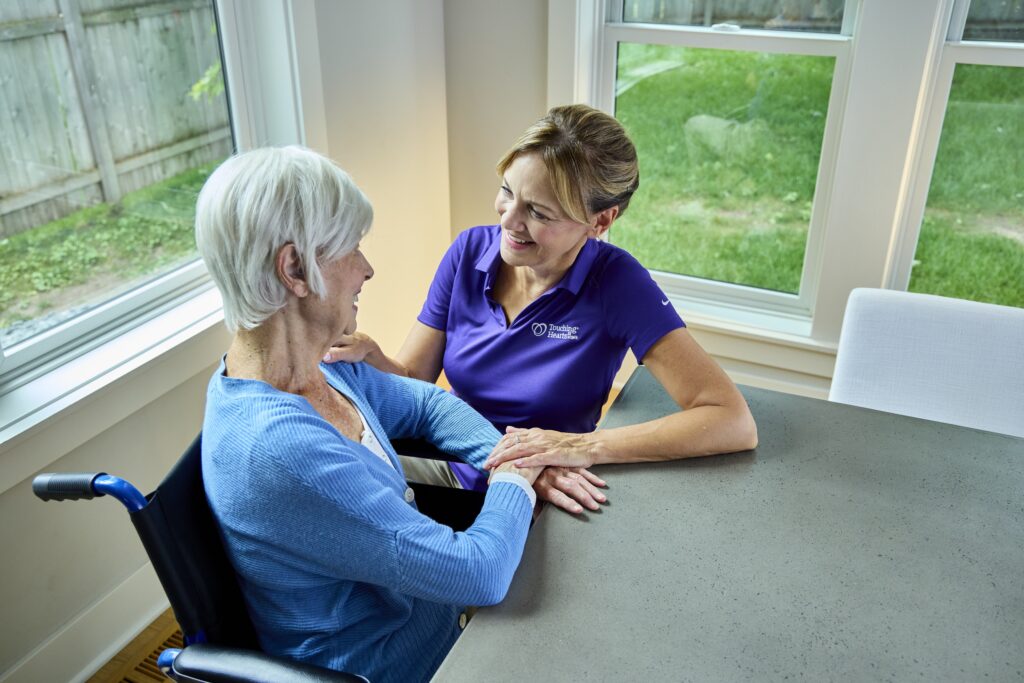
Caregivers trained in dementia support know how to navigate memory changes with patience, calmness, and compassion. Their presence can make daily life feel less stressful for both your parent and your family.
What dementia-trained caregivers help with
- Establishing gentle, predictable routines
- Encouraging hydration, eating, and wellness habits
- Promoting safe mobility and preventing falls
- Offering supportive cues for dressing or grooming
- Using redirection techniques to minimize anxiety
- Providing companionship that fosters connection
- Guiding your parent safely during outings or appointments
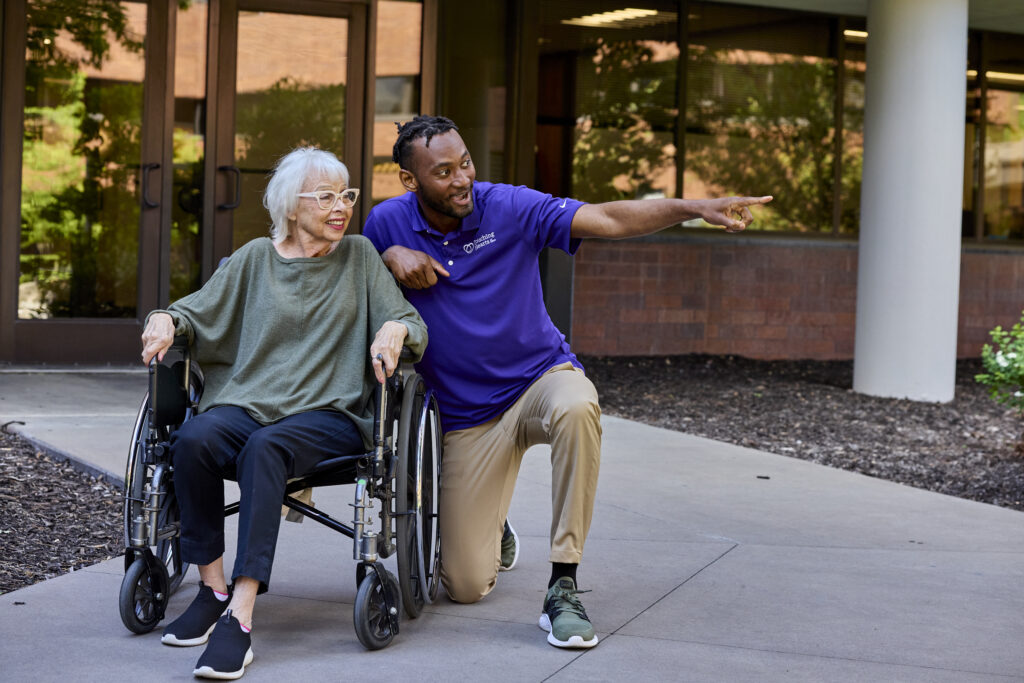
In a city like Boulder—where outdoor activities and local outings are part of life—caregivers can help your parent continue enjoying routines that feel meaningful.
Safety Considerations Unique to Boulder
Living in Boulder brings its own set of environmental and seasonal challenges. Dementia care at home must be tailored to these local realities.
Common concerns families face
- Wandering risks near busy roads, hiking trails, or open spaces
- Difficulty navigating icy sidewalks and sloped driveways
- Confusion triggered by sudden weather changes
- Increased disorientation during shorter winter days
- Challenges with transportation during snowy and icy road conditions
Caregivers familiar with Boulder’s terrain and patterns help keep your loved one safe year-round.
Creating a Calm, Supportive Home Environment
Small home adjustments can make a big difference in comfort and safety.
Helpful changes include:
- Using simple labels on drawers or cabinets
- Improving lighting in hallways and entryways
- Removing clutter from walkways
- Installing grab bars or railings in key areas
- Utilizing memory supports or visual cues
- Ensuring consistent room organization
A gentle, predictable environment helps reduce frustration and confusion.
Supporting Emotional Well-Being
Dementia affects more than memory—it impacts mood, confidence, and independence. Emotional reassurance is essential.
Ways caregivers support emotional health
- Offering calm, encouraging communication
- Suggesting meaningful activities (puzzles, music, art, nature walks)
- Providing companionship to prevent loneliness
- Reducing overstimulation or frustration
- Helping maintain identity through familiar routines
Boulder’s natural beauty often becomes part of care—short outdoor walks, fresh air, and scenic views can offer grounding comfort.
How Families Benefit from Dementia Care at Home
You don’t have to navigate this journey alone. Families often feel relief once support is in place.
Families in Boulder often say:
- “Our parent seems calmer and more at ease.”
- “We can finally rest knowing someone is there when we can’t be.”
- “Having help means we can spend more quality time together.”
Caregiving is a meaningful responsibility, and support helps lighten the emotional load.
What the First Week of Dementia Care May Look Like
The first week focuses on creating comfort and building trust.
Expect caregivers to:
- Learn your parent’s routines and preferences
- Observe strengths and areas of support
- Introduce structure slowly
- Adjust activities based on your parent’s energy
- Provide updates to your family about how things are going
Care begins gently and becomes more personalized each day.
When to Consider Dementia Support at Home
You may want to explore help if you notice:
- Increasing confusion or forgetfulness
- Wandering behaviors
- Difficulty with meals, hygiene, or mobility
- Hesitation or balance issues
- Fear or agitation during winter weather
- Growing stress within the family
Early support often leads to better long-term outcomes.
Frequently Asked Questions
Does my parent need a diagnosis to begin dementia care?
No. Many families seek help based on observed changes rather than a formal diagnosis.
Can a caregiver help my parent safely go on walks in Boulder?
Yes. Caregivers can accompany your parent on gentle walks when conditions allow, offering supervision and companionship.
How do caregivers respond to confusion or agitation?
Trained caregivers use patience, redirection, and reassurance to help your parent feel calm and grounded.
Will my parent accept having someone new in the home?
Most seniors adjust naturally over time, especially with a warm caregiver who builds trust gradually.
Can caregivers help with transportation?
Yes, when conditions permit. This is especially helpful during snowy and icy road conditions when driving can be unsafe.
If you’re feeling unsure about your parent’s needs, Touching Hearts offers a free, no-pressure in-home consultation in Boulder. We’re here to support your family every step of the way.