
Dementia Care at Home: What Thornton Families Need to Know
Watching a parent struggle with memory loss or confusion can be heartbreaking. At first, it may be small things—repeating questions, misplacing items, or forgetting appointments. Over time, those moments can become more frequent, leaving families in Thornton wondering how to keep their loved one safe while honoring who they’ve always been.
For many adult children, dementia brings a mix of emotions: concern, grief, frustration, and a deep desire to do the right thing. You may be trying to balance your own family, work, and responsibilities while worrying about whether your parent is okay at home.
This article is designed to help families in Thornton understand dementia care at home—what it looks like, how it supports safety and dignity, and when it may be time to consider professional in-home care for a loved one living with memory changes.
Understanding Dementia and Its Impact on Daily Life
Dementia is not a single condition, but a general term used to describe changes in memory, thinking, and reasoning that interfere with everyday life. Alzheimer’s disease is the most well-known form, but many families simply experience it as a gradual loss of familiarity and confidence.
In the early stages, someone with dementia may still manage most daily tasks but need reminders or reassurance. As dementia progresses, routine activities—like cooking, bathing, or recognizing familiar places—can become confusing or unsafe.
In communities like Thornton and across Westminster, remaining at home often feels deeply important to seniors. Familiar surroundings, predictable routines, and a sense of independence can reduce anxiety and help maintain quality of life for as long as possible.
Why Dementia Care at Home Can Be So Beneficial
Familiar environments reduce confusion
Home is filled with visual cues, memories, and routines that support orientation. For someone living with dementia, moving to a new environment can increase agitation or fear. Staying at home often helps seniors feel calmer and more secure.
Personalized routines support dignity
In-home dementia care is tailored to the individual—not a schedule set by a facility. Caregivers adapt to your parent’s habits, preferences, and pace, which helps preserve dignity and a sense of control.
One-on-one attention matters
Unlike group settings, in-home care provides focused, consistent support. This allows caregivers to notice subtle changes in behavior, mood, or needs and respond with patience and understanding.
Common Challenges Families Face With Dementia at Home
Caring for someone with dementia is very different from helping with typical aging needs. Families often encounter challenges that feel overwhelming without support.
Memory-related safety concerns
Forgetfulness can lead to real risks, such as leaving the stove on, wandering outside, or forgetting how to use household appliances. Colorado winters add another layer of concern, with icy sidewalks and cold temperatures posing dangers if a loved one becomes disoriented outdoors.
Changes in behavior or personality
Dementia can affect mood and behavior. Your parent may become anxious, suspicious, withdrawn, or easily upset—even if they were easygoing before. These changes are difficult for families to navigate emotionally.
Difficulty with personal care
As dementia progresses, tasks like bathing, dressing, and toileting can feel confusing or intrusive to the person experiencing memory loss. Resistance or embarrassment is common.
Emotional strain on family caregivers
Many adult children try to manage dementia care on their own, but the constant vigilance can lead to exhaustion, stress, and burnout. Loving someone doesn’t make caregiving easy—and no one should have to do it alone.
How Dementia Care at Home Supports Thornton Seniors
Gentle guidance with daily routines
Caregivers provide calm, step-by-step support with activities such as getting dressed, eating meals, and preparing for bed. This reduces frustration and helps your parent feel successful rather than rushed or corrected.
Safety monitoring and supervision
In-home dementia care includes supervision to help prevent wandering, falls, and other safety risks. Caregivers remain attentive without being overbearing, offering reassurance throughout the day.
Meaningful companionship
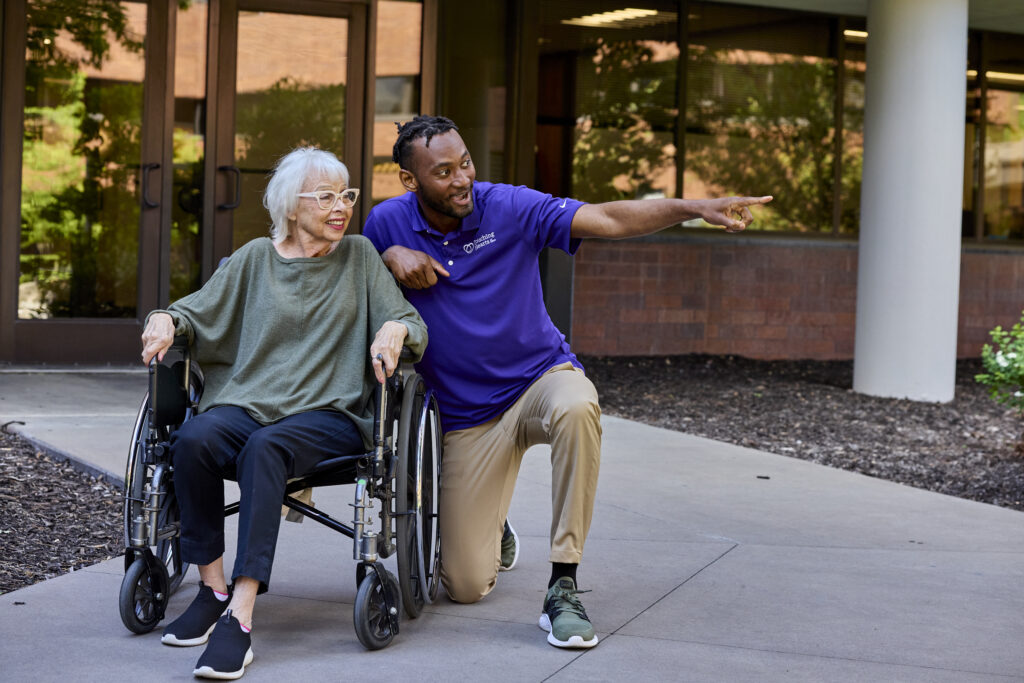
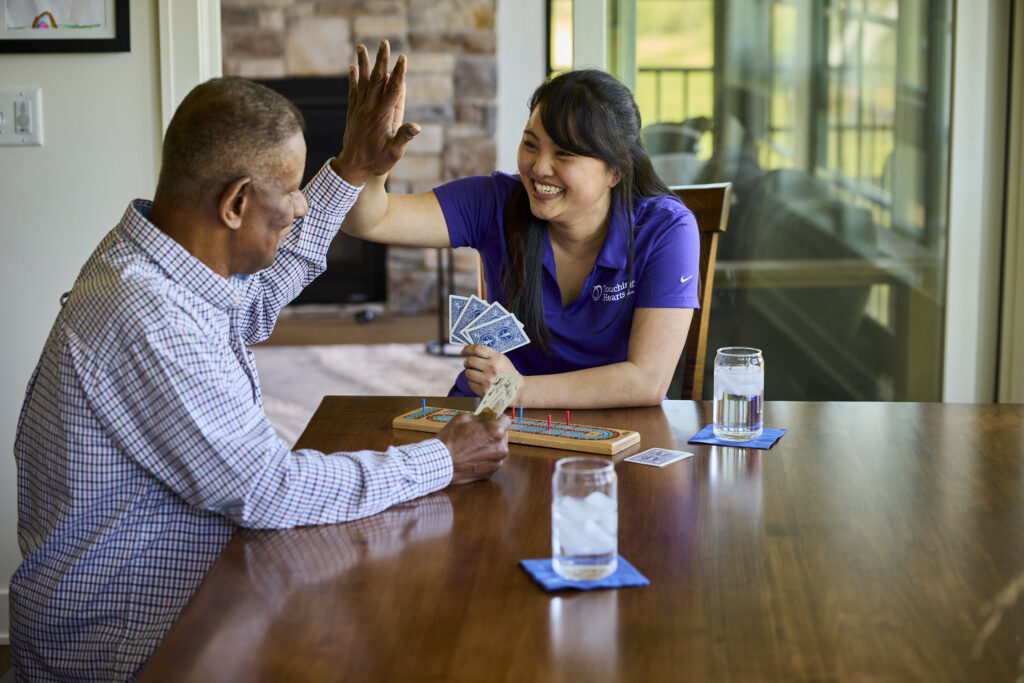
Conversation, shared activities, music, or simple walks can help reduce loneliness and agitation. Companionship is often just as important as physical assistance for someone living with dementia.
Support that adapts over time
Dementia is progressive, meaning needs change. In-home care can evolve gradually—from a few hours of support each week to more consistent care—allowing families to adjust without sudden disruptions.
Creating a Dementia-Friendly Home Environment
While professional care makes a significant difference, small changes at home can also improve safety and comfort.
Simplify the living space
Reducing clutter, labeling drawers, and keeping frequently used items in plain sight can help minimize confusion.
Establish consistent routines
Predictable daily patterns—waking, meals, activities, and bedtime—provide structure and reduce anxiety for someone with memory loss.
Focus on calm communication
Using simple sentences, maintaining eye contact, and offering reassurance instead of correction can help interactions feel more positive and respectful.
Caregivers trained in dementia support naturally incorporate these strategies into daily care, reinforcing a peaceful and supportive environment.
When Is It Time to Consider Professional Dementia Care?
Many families ask themselves if they’re waiting too long—or acting too soon. While there’s no single right moment, certain signs often indicate that extra support would be helpful.
You may want to consider in-home dementia care if:
-
Your parent is no longer safe being alone
-
You’re receiving frequent calls about confusion or distress
-
Personal care tasks are being avoided or resisted
-
You feel constantly worried or emotionally drained
-
Dementia symptoms are interfering with your parent’s quality of life
Seeking help doesn’t mean giving up. It means recognizing that dementia care requires patience, skill, and consistency—and that support benefits the entire family.
Dementia Care and the Colorado Lifestyle
In Thornton and throughout the Front Range, seniors often value independence, community, and staying connected to familiar places. Dementia care at home allows older adults to remain part of the neighborhood they know—close to family, trusted routines, and local resources like hospitals or doctor’s clinics.
Seasonal changes in Colorado also matter. Short winter days and unpredictable weather can increase disorientation and fall risks. Having a caregiver present provides reassurance and practical support during these challenging months.
Frequently Asked Questions
Families often have many questions when exploring dementia care at home. Here are a few common ones.
Can someone with dementia really stay at home safely?
Yes, with the right support. In-home dementia care focuses on safety, supervision, and routine, allowing many seniors to remain at home longer than families expect.
Does dementia care only help with memory issues?
No. Dementia care supports the whole person—physical needs, emotional well-being, safety, and social connection—not just memory.
How many hours of care are usually needed?
Care needs vary. Some families start with part-time support, while others need daily or extended care. Plans are flexible and adjust as needs change.
What if my parent resists having help?
Resistance is common. Experienced caregivers use calm, respectful approaches that feel less intrusive, helping build trust over time.
How does dementia care support family caregivers?
In-home care gives families relief from constant supervision, allowing them to rest, focus on relationships, and return to being a son or daughter instead of a full-time caregiver.
If you’re feeling unsure about your parent’s needs, Touching Hearts offers a free, no-pressure in-home consultation in Thornton. We’re here to support your family every step of the way.