Fall Prevention Tips for Seniors: Keeping Older Adults Safe at Home in Thornton
A single fall can change everything for an older adult. What may seem like a minor slip can lead to injuries, loss of confidence, or a sudden decline in independence. For families in Thornton, fall prevention is one of the most important—and proactive—steps you can take to protect your aging parent’s safety and well-being.
Falls are not an inevitable part of aging. Many are preventable with the right awareness, small home adjustments, and consistent daily support. Yet most families don’t realize how many everyday factors quietly increase fall risk until something happens.
This article shares practical, compassionate fall prevention tips tailored for seniors living at home in Thornton, helping families reduce risks while supporting independence and dignity.
Why Fall Prevention Matters for Seniors
Falls are one of the leading causes of injury among older adults. Beyond physical harm, a fall can create fear that causes seniors to limit activity, withdraw socially, or lose confidence moving around their own home.
Preventing falls helps:
-
Reduce hospital visits and recovery setbacks
-
Preserve mobility and confidence
-
Ease family worry and caregiver stress
In Colorado, environmental factors like snow, ice, and sudden temperature changes add extra challenges, making prevention even more important.
Understanding Common Fall Risks at Home
Many fall risks are hidden in plain sight. Over time, small changes in strength, balance, or vision can turn familiar spaces into hazards.
Physical Changes That Increase Fall Risk
As seniors age, they may experience:
-
Reduced balance or coordination
-
Muscle weakness
-
Slower reaction times
-
Vision or depth perception changes
-
Side effects from medications
These changes don’t mean independence is lost—but they do mean the environment and routines may need adjusting.
Environmental Hazards Inside the Home
Common indoor fall risks include:
-
Loose rugs or cluttered walkways
-
Poor lighting, especially at night
-
Slippery bathroom surfaces
-
Stairs without sturdy handrails
-
Frequently used items stored too high or too low
Addressing these risks early can dramatically lower the chance of falls.
Practical Fall Prevention Tips for Seniors at Home
Fall prevention works best when it combines home safety, daily habits, and supportive care.
Improve Lighting Throughout the Home
Good lighting helps seniors see obstacles clearly and move with confidence.
Helpful steps include:
-
Adding nightlights in hallways and bathrooms
-
Using brighter bulbs in living spaces
-
Ensuring stairways are well-lit
-
Keeping lamps within easy reach
Simple lighting changes are often one of the most effective fall prevention measures.
Make Bathrooms Safer
Bathrooms are one of the most common places for falls.
Consider:
-
Installing grab bars near toilets and showers
-
Using non-slip mats inside and outside the tub
-
Adding a shower chair or handheld showerhead
-
Ensuring floors stay dry and clutter-free
These adjustments support privacy and dignity while reducing risk.
Reduce Tripping Hazards
A clutter-free home is a safer home.
Focus on:
-
Removing loose throw rugs or securing them with non-slip backing
-
Keeping walkways clear of cords, shoes, or furniture
-
Rearranging layouts to allow wider, unobstructed paths
-
Storing everyday items within easy reach
In Thornton homes—many with multi-level layouts—clear pathways are especially important.
Support Safe Footwear Choices
What seniors wear on their feet matters more than many people realize.
Encourage:
-
Shoes with non-slip soles
-
Proper fit with good heel support
-
Avoiding slippers without grip or walking in socks
-
Seasonal footwear that handles snow or wet surfaces
Proper footwear can significantly reduce slips, especially during winter when roads and driveways are icy and slippery.
Encourage Regular Movement and Strength
Staying active helps maintain balance and muscle strength.
Safe activities may include:
-
Gentle stretching
-
Short daily walks
-
Balance exercises
-
Light strength movements
Caregivers can provide encouragement and supervision, helping seniors stay active without pushing beyond safe limits.
Fall Prevention Outside the Home
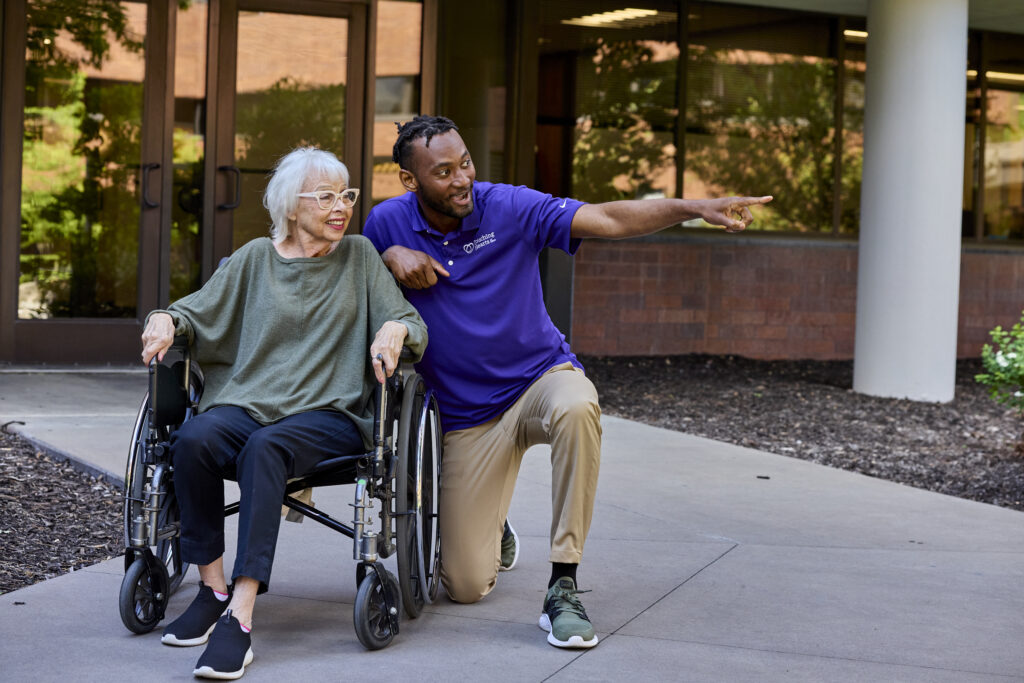
Falls don’t only happen indoors. Outdoor environments also require attention.
Navigating Thornton’s Seasonal Conditions
Colorado weather can change quickly. Snow, ice, and uneven sidewalks increase fall risks, especially in winter months.
Helpful strategies include:
-
Clearing entryways promptly
-
Using handrails when available
-
Limiting outings during icy conditions
-
Having assistance for errands or appointments
In-home caregivers can help seniors avoid unnecessary risks during unpredictable weather.
Transportation and Outings
Getting in and out of vehicles can be challenging.
Support may include:
-
Assisting with steady entry and exit
-
Allowing extra time without rushing
-
Parking in well-lit, level areas
-
Using mobility aids when needed
Having patient, attentive support during outings reduces accidents and anxiety.
Medication Awareness and Fall Risk
Certain medications—or combinations of medications—can affect balance, alertness, or blood pressure.
While caregivers do not manage medications, they are trained to:
-
Provide reminders
-
Observe for dizziness or weakness
-
Notice changes in mobility or alertness
-
Communicate concerns to families
This awareness can help families identify potential fall risks early.
How In-Home Care Supports Fall Prevention
Fall prevention isn’t about constant supervision—it’s about thoughtful support.
In-home caregivers help by:
-
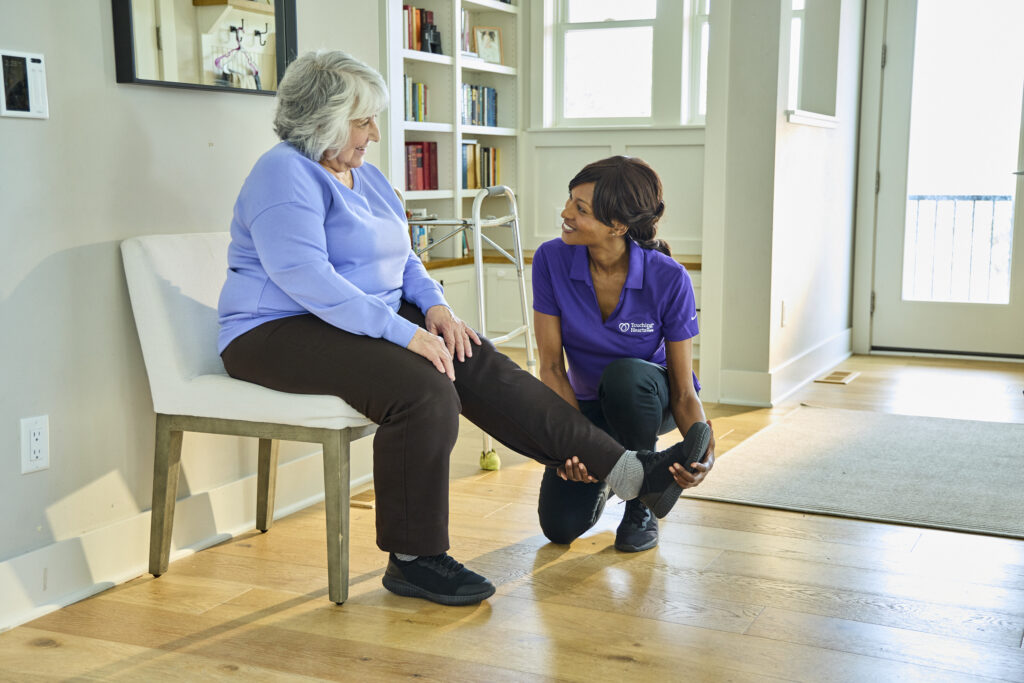
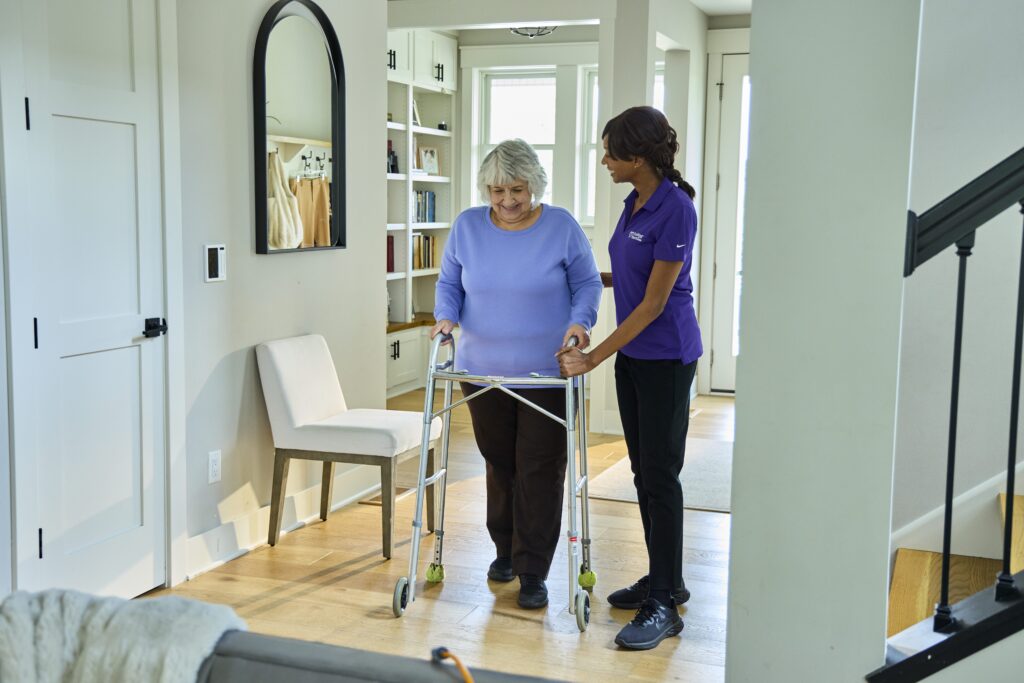
Assisting with safe transfers and movement
-
Encouraging steady, unrushed routines
-
Identifying new safety concerns as they arise
-
Providing companionship that reduces risky behaviors
For many families in Thornton, having a trusted caregiver present offers reassurance that someone is watching for subtle changes before they lead to falls.
Supporting Confidence After a Fall
If a fall has already occurred, emotional recovery is just as important as physical healing.
Seniors may:
-
Become fearful of walking
-
Limit activity unnecessarily
-
Lose confidence in their abilities
Caregivers help rebuild confidence by:
-
Offering calm reassurance
-
Encouraging safe movement
-
Restoring daily routines gradually
-
Supporting independence without pressure
This balance helps seniors regain trust in themselves and their environment.
When to Reassess Fall Risk
Fall risk isn’t static—it changes over time.
It’s a good idea to reassess if:
-
Your parent has had a recent fall
-
Mobility or strength has declined
-
Vision or hearing has changed
-
Medications have been adjusted
-
Weather or seasonal routines shift
Regular check-ins help families stay proactive rather than reactive.
Frequently Asked Questions
Below are common questions families ask about fall prevention and senior safety.
Are falls a normal part of aging?
No. While fall risk increases with age, many falls are preventable with the right support and environment.
Should my parent stop being active to avoid falls?
No. Safe movement and regular activity actually help reduce fall risk by maintaining strength and balance.
Can home care really help prevent falls?
Yes. Caregivers provide hands-on assistance, routine support, and an extra set of eyes to notice risks early.
What if my parent refuses safety changes?
Start small and focus on comfort and independence rather than fear. Involving your parent in decisions often reduces resistance.
When should I consider professional support?
If you’re worried about safety, balance, or repeated near-falls, it’s worth exploring extra help sooner rather than later.
If you’re feeling unsure about your parent’s needs, Touching Hearts offers a free, no-pressure in-home consultation in Thornton. We’re here to support your family every step of the way.