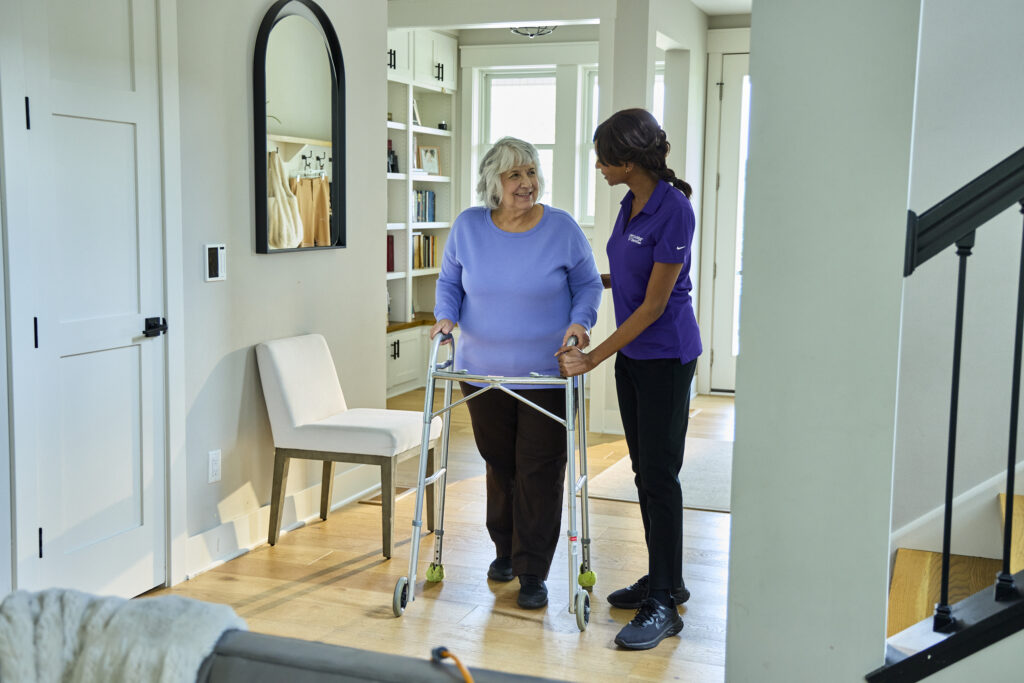
Frailty in Older Adults: Signs Your Parent May Need More Help for Thornton
Many families expect some physical changes as their parents grow older. Slower movements, needing more rest, or asking for help with heavier tasks can seem like a natural part of aging. But sometimes these gradual changes point to something more significant: frailty.
Frailty is not simply about getting older. It is a condition that can make seniors more vulnerable to falls, illness, and a loss of independence. Recognizing the signs early gives families an opportunity to provide the right support before a minor challenge becomes a major setback.
If your loved one lives in Thornton or the surrounding communities, understanding frailty can help you make informed decisions about their care. With compassionate, non-medical home care, many older adults can continue living safely and comfortably in the familiar surroundings of home while receiving the assistance they need.
What Is Frailty?
Frailty is a gradual decline in strength, endurance, and physical resilience that makes everyday activities more difficult. Unlike a sudden illness or injury, frailty often develops slowly over months or years, making it easy for family members to overlook the early warning signs.
Older adults living with frailty may recover more slowly from illnesses, experience greater difficulty maintaining balance, and become fatigued after activities that were once routine.
Recognizing these changes early allows families to explore supportive care options that promote safety and independence.
Frailty Is Not an Inevitable Part of Aging
While aging naturally brings changes, not every older adult becomes frail.
Many seniors remain active and independent well into their later years. Frailty develops when several physical and functional changes combine, reducing the body’s ability to recover from everyday stressors.
Understanding this distinction helps families avoid dismissing concerning symptoms as “just getting older.”
Common Signs of Frailty
Every individual experiences aging differently, but several common indicators may suggest that additional support would be beneficial.
Unintentional Weight Loss
One of the earliest signs of frailty can be unexplained weight loss.
A parent may no longer enjoy cooking, forget to eat regular meals, or lose interest in food altogether. Clothing may fit more loosely, or family members may notice a thinner appearance during visits.
Maintaining proper nutrition becomes increasingly important because weight loss can contribute to decreased muscle strength and reduced energy.
Decreased Strength
Has your parent started asking for help opening jars, carrying groceries, or standing from a chair?
Muscle weakness often develops gradually, making it difficult to recognize until everyday tasks become noticeably challenging.
Simple activities that once seemed effortless may now require assistance or frequent breaks.
Walking More Slowly
Many families first notice frailty through changes in mobility.
Your loved one may:
- Walk more cautiously.
- Take shorter steps.
- Need additional time to cross a parking lot.
- Hold onto furniture while moving through the house.
- Avoid stairs whenever possible.
These changes increase the likelihood of falls, particularly during Colorado’s winter months when snow and ice create additional hazards throughout Westminster.
Frequent Fatigue
If your parent seems unusually tired after routine activities, it may be more than simple aging.
Fatigue that interferes with daily routines can make it difficult to prepare meals, keep up with housekeeping, attend appointments, or participate in favorite hobbies.
When energy levels decline, many seniors begin limiting activities that help them remain socially and physically engaged.
How Frailty Affects Everyday Life
Frailty doesn’t only influence physical health—it often affects confidence, independence, and emotional well-being.
Tasks that once took only a few minutes may now require careful planning or assistance.
Household Responsibilities Become More Difficult
You may notice changes such as:
- Laundry accumulating.
- Unwashed dishes.
- Expired food in the refrigerator.
- Dust and clutter throughout the home.
- Difficulty keeping up with routine cleaning.
These changes aren’t necessarily signs of neglect. Often, they simply reflect that daily chores have become physically demanding.
Personal Care Becomes Challenging
Bathing, dressing, and grooming require strength, balance, and coordination.
A senior experiencing frailty may begin avoiding showers because they fear slipping or feel exhausted afterward. Others may wear the same clothing repeatedly because changing clothes has become more difficult.
Receiving respectful assistance with personal care allows older adults to maintain dignity while reducing safety risks.
Why Early Support Matters
One of the biggest misconceptions about home care is that families should wait until a crisis occurs.
In reality, introducing support before significant challenges develop often leads to better outcomes.
Early assistance can help seniors:
- Maintain independence longer.
- Reduce fall risks.
- Preserve established routines.
- Stay socially connected.
- Build trusting relationships with caregivers.
- Reduce physical strain during everyday activities.
Rather than replacing independence, home care often helps protect it.
Colorado Considerations for Frail Older Adults
Living in Thornton offers many advantages, but Colorado’s climate can create additional challenges for seniors experiencing frailty.
Winter snowstorms, icy sidewalks, and rapidly changing temperatures can make even short trips outside more difficult. A simple walk to retrieve the mail or attend an appointment may become hazardous during colder months.
Professional caregivers help reduce these risks by assisting with mobility, transportation, and daily routines, allowing seniors to remain safely at home even during periods of challenging weather.
Families throughout Thornton should also remember that seasonal changes may temporarily increase care needs, making proactive planning especially valuable before winter arrives.
Emotional Changes Can Accompany Frailty
Frailty is not only a physical condition.
As older adults notice changes in their abilities, they may experience frustration, embarrassment, or anxiety about asking for help.
Some seniors withdraw from social activities because they worry about keeping up with others. Others hesitate to leave home altogether, fearing falls or becoming fatigued while away.
Compassionate companionship can make a meaningful difference by providing encouragement, conversation, and emotional support while helping seniors continue participating in the routines and relationships that bring purpose to everyday life.
How Non-Medical Home Care Supports Frail Older Adults
When a parent begins experiencing frailty, everyday responsibilities can become physically and emotionally draining. Non-medical home care provides personalized assistance that helps older adults remain safe while preserving as much independence as possible.
Rather than taking over completely, caregivers encourage seniors to do what they can comfortably manage while offering support where it is needed most.
Personal Care with Compassion and Respect
Activities such as bathing, dressing, grooming, and toileting often become more challenging as strength and balance decline.
Professional caregivers provide discreet assistance that prioritizes dignity, privacy, and comfort. Having dependable help with personal care can reduce fall risks while allowing seniors to maintain healthy daily routines.
Meal Preparation and Nutrition Support
Good nutrition plays an important role in supporting strength and overall well-being.
Caregivers can assist by:
- Preparing balanced meals
- Encouraging regular hydration
- Organizing groceries
- Preparing favorite recipes
- Cleaning up after meals
These simple forms of support help older adults maintain healthy eating habits, even when cooking has become difficult.
Light Housekeeping and Household Help
A clean, organized home is often a safer home.
Caregivers may assist with:
- Laundry
- Changing bed linens
- Dusting
- Vacuuming
- Washing dishes
- Taking out the trash
- Tidying frequently used living spaces
Reducing physical demands around the home allows seniors to conserve energy for activities they enjoy most.
Companionship and Emotional Support
Frailty can sometimes lead older adults to withdraw from social activities.
Having a compassionate caregiver visit regularly provides meaningful conversation, shared activities, and encouragement to stay engaged with family and friends.
These visits often become an important source of emotional support while helping reduce feelings of loneliness and isolation.
When Should Families Consider Increasing Care?
Frailty often progresses gradually, making it important to reassess care needs from time to time.
You may want to consider increasing support if your loved one:
- Has experienced one or more recent falls.
- Needs assistance with multiple daily activities.
- Is losing weight despite available food.
- Frequently misses appointments.
- Becomes increasingly fatigued.
- Shows greater difficulty moving safely around the home.
- Has become socially isolated.
Increasing care doesn’t necessarily mean giving up independence. In many cases, additional support helps seniors continue living safely at home for a longer period of time.
Choosing a Home Care Agency You Can Trust
Finding the right home care provider involves more than comparing schedules and services.
Families deserve confidence that caregivers are compassionate, well-trained, and committed to providing respectful care tailored to each client’s unique needs.
As you evaluate agencies serving Thornton and nearby communities, consider asking:
- How are caregivers screened and hired?
- What ongoing education and training do caregivers receive?
- How are caregiver matches determined?
- Can care plans change as needs evolve?
- How are family members kept informed?
- Is support available outside normal business hours if questions arise?
A trusted agency welcomes these conversations and works collaboratively with families to develop individualized care plans.
Building a Partnership That Grows with Your Family
Home care is not a one-time decision.
As a parent’s needs change, care plans can be adjusted to provide additional assistance while continuing to respect personal preferences and routines.
Some families begin with companionship visits once or twice a week. Others gradually add transportation, meal preparation, personal care, or longer visits as circumstances evolve.
This flexibility allows care to grow alongside your loved one’s changing needs without requiring unnecessary transitions.
Planning Ahead Helps Preserve Independence
Many families wait until after a hospitalization or fall before seeking additional help.
Planning earlier provides more choices and often creates a smoother experience for everyone involved.
By introducing care before daily challenges become overwhelming, older adults have time to become comfortable with a caregiver while maintaining familiar routines in their own home.
Early planning also gives families greater confidence that they are taking thoughtful, proactive steps rather than reacting during a crisis.
Compassionate Support Makes Everyday Life Easier
Frailty may change how older adults complete everyday activities, but it does not define who they are.
With the right support, many seniors continue enjoying meaningful relationships, favorite hobbies, and the comfort of living in familiar surroundings.
For families throughout Thornton and the surrounding Westminster region, recognizing the early signs of frailty and exploring supportive home care can make a meaningful difference. Personalized, compassionate assistance helps older adults remain safer, more confident, and better able to enjoy each day with dignity.
Frequently Asked Questions
Here are answers to some common questions families ask about frailty and home care.
Is frailty the same as having a chronic illness?
No. Frailty is a condition characterized by reduced strength, endurance, and resilience. While chronic health conditions may contribute to frailty, someone can experience frailty with or without a specific medical diagnosis.
Can home care help someone who is becoming frail?
Yes. Non-medical home care provides assistance with daily activities such as personal care, meal preparation, companionship, light housekeeping, and transportation. These services can help seniors remain safer and more independent at home.
What are the earliest warning signs of frailty?
Some early indicators include slower walking, frequent fatigue, unexplained weight loss, muscle weakness, difficulty completing household tasks, and reduced participation in everyday activities.
Should we wait until after a fall before arranging home care?
No. Beginning support before a fall or other emergency often helps reduce risks while allowing seniors to become comfortable with a caregiver gradually.
Can care be adjusted as my parent’s needs change?
Absolutely. Home care plans are designed to be flexible, allowing services to increase or decrease as your loved one’s circumstances evolve.
If you’re feeling unsure about your parent’s needs, Touching Hearts offers a free, no-pressure in-home consultation in Thornton. We’re here to support your family every step of the way.