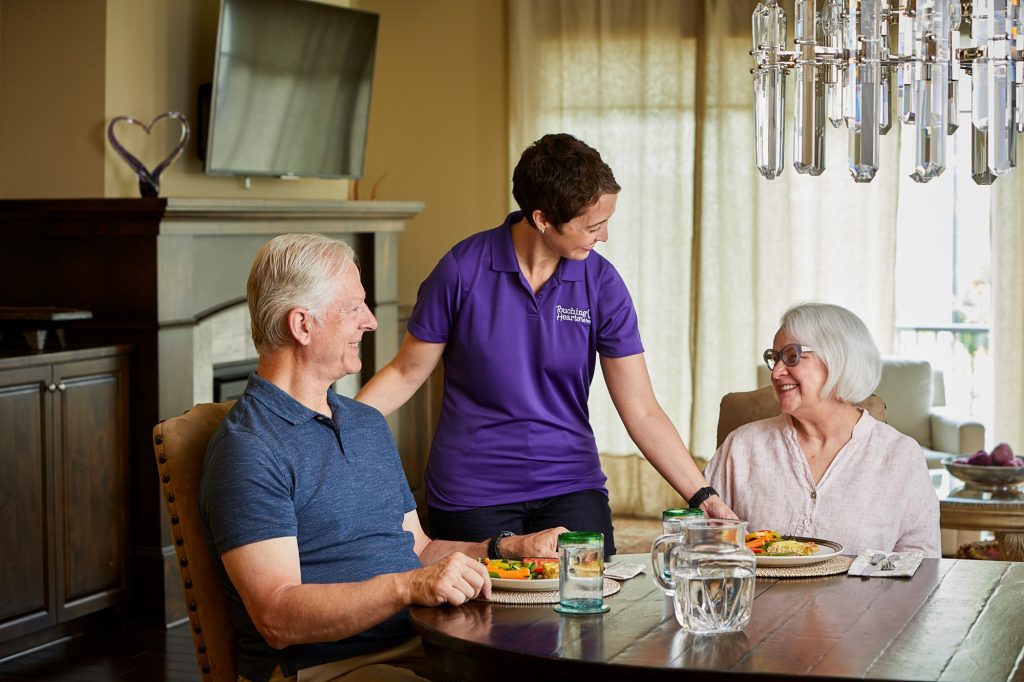
How Home Care Helps Couples Age in Place in Boulder
For many couples in Boulder, home isn’t just a place — it’s a lifetime of memories.
It’s morning coffee with a view of the Flatirons. It’s walking familiar neighborhood paths in spring. It’s knowing exactly where everything is in the kitchen you’ve shared for decades.
When one spouse begins to need extra help, one of the greatest fears isn’t just about health. It’s about separation.
Will we have to live apart?
Will one of us need to move into a facility?
Can we really manage at home?
The good news is that many couples in Boulder and across the Westminster area are able to continue living together safely — even when care needs increase. Thoughtful in-home support can make aging in place not only possible, but deeply meaningful.
Why Aging in Place Matters So Much for Couples
After decades of partnership, routines become intertwined.
One spouse may handle finances and appointments. The other may cook meals or manage medications. Even when one partner’s health changes, the emotional bond remains strong.
Moving into separate care settings can feel heartbreaking and disruptive.
Remaining at home together often supports:
-
Emotional well-being
-
Stability and routine
-
Familiar surroundings
-
Shared daily life
In Boulder’s close-knit neighborhoods — from Mapleton Hill to Table Mesa — staying home allows couples to remain connected to their community, friends, and favorite local spots.
The Challenge When One Spouse Needs More Care
In many situations, one spouse becomes the primary caregiver.
For example:
-
A wife may assist her husband after a fall.
-
A husband may support his partner through memory changes.
-
One partner may manage chronic illness while the other is still relatively independent.
Over time, caregiving can become physically and emotionally exhausting.
Colorado winters add another layer of stress. Snow removal, icy driveways, and colder temperatures can increase fall risk and make daily tasks more demanding.
Without additional help, the healthier spouse may become overwhelmed — risking burnout or even health issues of their own.
How Home Care Supports Both Partners
In-home care doesn’t just assist the spouse who needs help. It strengthens the entire household.
Relieving Caregiver Burnout
Professional caregivers can step in to assist with:
-
Bathing and personal care
-
Meal preparation
-
Light housekeeping
-
Medication reminders
-
Mobility support
This allows the caregiving spouse to rest, run errands, or simply enjoy time as a partner rather than only as a caregiver.
Even a few hours per week can make a significant difference.
Preserving the Relationship
When one spouse handles all physical care, the relationship dynamic can shift.
Instead of being husband and wife, they may begin to feel like nurse and patient.
In-home care helps restore balance.
With practical tasks supported, couples can focus on:
-
Sharing meals
-
Watching favorite shows
-
Spending time outdoors when weather allows
-
Visiting appointments at Boulder Community Foothills Hospital together
The goal is to preserve connection — not just manage needs.
Supporting Memory Care at Home
For couples facing memory challenges, remaining together can provide comfort and stability.
Caregivers trained in compassionate communication can:
-
Maintain consistent routines
-
Offer calm redirection during confusion
-
Provide supervision for safety
-
Reduce stress within the home
The healthy spouse gains reassurance knowing someone else is helping monitor changes and risks.
Enhancing Safety in Boulder’s Unique Environment
Boulder’s natural beauty comes with seasonal considerations.
In winter:
-
Icy sidewalks increase fall risk.
-
Shorter daylight hours reduce visibility.
-
Cold temperatures require close monitoring indoors.
In summer:
-
Heat and dehydration can impact seniors quickly at higher elevations.
Home care professionals help couples adjust routines and maintain safe environments year-round.
Flexible Care That Grows With You
One of the greatest advantages of home care is flexibility.
Couples can begin with:
-
A few hours of companionship per week
-
Assistance during recovery after hospitalization
-
Help with specific tasks like bathing
As needs evolve, care can increase gradually.
This approach allows couples to remain in control of their living situation rather than making sudden, disruptive transitions.
Financial Considerations
For many Boulder families, cost plays a significant role in decision-making.
In-home care allows couples to:
-
Pay only for the hours they need
-
Avoid large upfront community entrance fees
-
Adjust services as circumstances change
In some cases, supporting one spouse at home can be more manageable than relocating both individuals to separate living arrangements.
Every situation is unique, and careful planning helps families make informed choices.
Signs Home Care May Help Your Relationship
Consider additional support if:
-
The caregiving spouse feels constantly tired.
-
There have been recent falls or close calls.
-
Household tasks are becoming overwhelming.
-
Tension is increasing due to stress.
-
One partner feels isolated or anxious.
Seeking help isn’t a failure. It’s a way to protect both partners’ health and happiness.
The Emotional Gift of Staying Together
Aging in place is not just about convenience. It’s about continuity.
It’s about sharing:
-
Morning routines
-
Evening conversations
-
Holiday traditions
-
Quiet moments in a familiar space
For couples who have built a life together in Boulder, remaining at home can preserve dignity, partnership, and comfort.
With the right support, it is often possible.
Frequently Asked Questions
Below are common questions Boulder couples and their families ask about aging in place.
Can home care support both spouses at the same time?
Yes. Care plans can be customized to assist one or both partners depending on their individual needs.
What if one spouse needs significantly more care than the other?
Home care can focus primarily on the spouse with greater needs while still offering light support to the other.
Is it realistic to age in place with memory challenges?
In many cases, yes. With structured routines and trained caregivers, couples can often remain together safely for extended periods.
How many hours of care do couples typically start with?
Some begin with just a few hours per week. Others may require daily support. Services are flexible and can adjust over time.
Does home care replace medical providers?
No. In-home care provides non-medical support. Medical treatment continues through physicians and licensed professionals.
For couples in Boulder, aging in place is often about love, partnership, and shared history. When care needs increase, thoughtful support can help preserve what matters most — staying together at home.
If you’re feeling unsure about your parent’s needs, Touching Hearts offers a free, no-pressure in-home consultation in Boulder. We’re here to support your family every step of the way.