
How Home Care Helps Couples Age in Place in Thornton
Many couples imagine growing older together in the same home where they’ve shared decades of memories. In Thornton, that dream often includes staying close to familiar neighbors, favorite grocery stores, and the rhythms of daily life along the Front Range. But as the years pass, aging doesn’t always happen at the same pace for both partners—and that can create unexpected challenges.
Often, one spouse begins needing more support while the other quietly takes on the role of caregiver. What starts as helping with small tasks can slowly become overwhelming, especially during Colorado winters, health changes, or times of increased stress. Families may notice exhaustion, frustration, or worry setting in, even though both partners are deeply committed to staying together at home.
This article explores how home care helps couples age in place in Thornton. We’ll look at how the right support preserves independence, protects relationships, and allows couples to remain safely in the home they love—together.
Why Aging in Place Matters for Couples
For many older couples, home represents far more than a physical space. It’s where routines feel familiar, memories feel close, and independence feels possible.
In Thornton and across the Westminster, aging in place allows couples to:
-
Maintain shared daily routines
-
Stay connected to their community
-
Avoid the stress of relocation
-
Preserve a sense of normalcy and dignity
When couples are separated due to care needs, it can be emotionally devastating. Home care offers a way to meet changing needs without forcing difficult decisions before they’re truly necessary.
When One Partner Needs More Support Than the Other
A common challenge for aging couples is that health changes are rarely equal. One spouse may remain active and independent, while the other begins to struggle with mobility, memory, or daily tasks.
The Hidden Strain on the Caregiving Spouse
Spouses naturally want to help one another, but caregiving can slowly take a toll. Over time, the caregiving partner may experience:
-
Physical exhaustion
-
Emotional stress or anxiety
-
Interrupted sleep
-
Less time for their own health and social needs
Many spouses don’t ask for help because they feel it’s their responsibility—or because they worry that outside care means giving up control. In reality, support can strengthen the relationship rather than weaken it.
How Home Care Supports Both Partners
Home care is not just about helping one person—it’s about supporting the couple as a unit.
Preserving Independence for Each Spouse
A caregiver can assist the partner who needs help while allowing the healthier spouse to remain a husband or wife, not a full-time caregiver. This shift often restores balance and emotional connection within the relationship.
Tasks may include:
-
Personal care and hygiene support
-
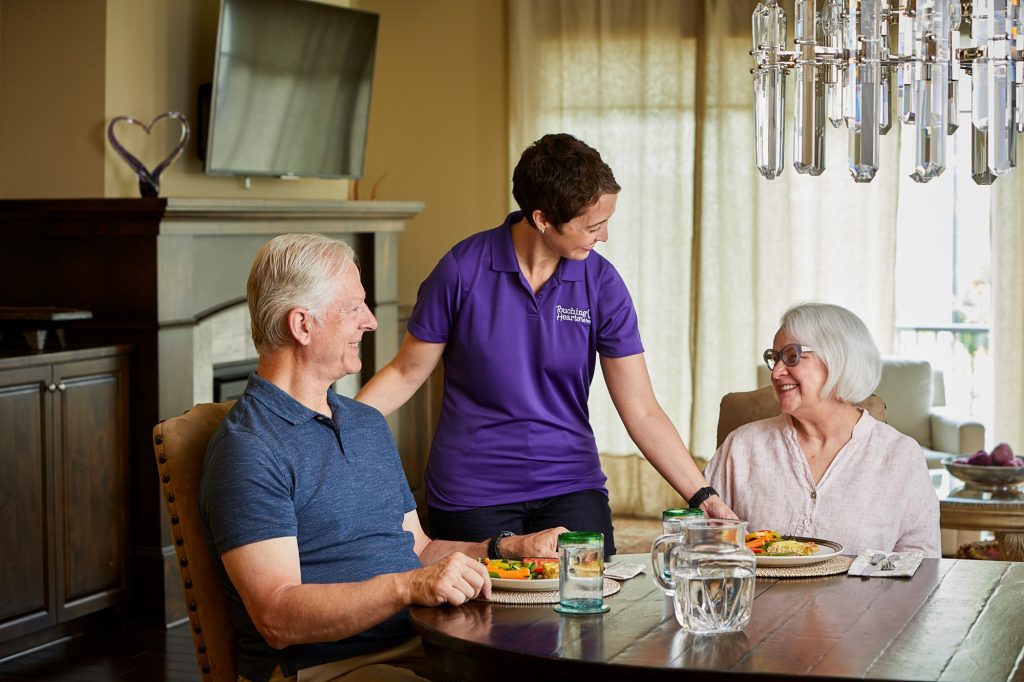
Meal preparation that meets both partners’ needs
-
Light housekeeping to reduce physical strain
-
Medication reminders and daily routines
With help in place, couples often find they have more energy to enjoy time together again.
Maintaining Shared Routines and Daily Life
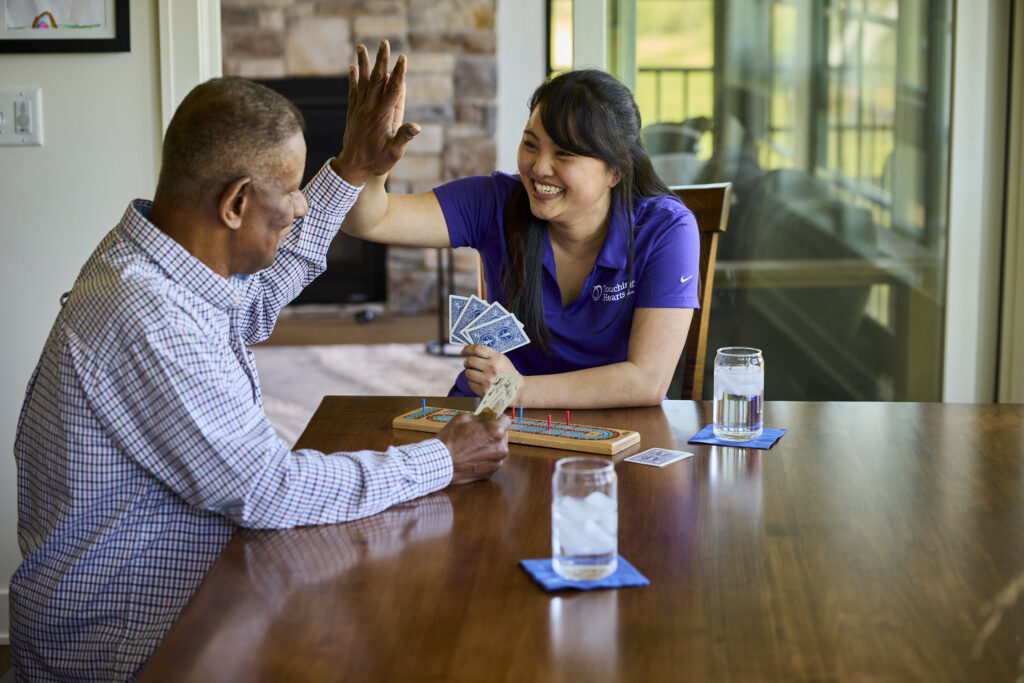
One of the biggest benefits of home care is continuity. Couples can continue their daily habits—morning coffee, shared meals, favorite TV shows—without disruption.
In Thornton, where winter weather can limit outings, maintaining these routines becomes even more important. A caregiver helps ensure that weather-related challenges, like icy sidewalks or short daylight hours, don’t completely derail daily life.
Shared routines provide comfort, reduce stress, and help couples feel grounded during times of change.
Emotional Support and Companionship at Home
Aging brings emotional changes along with physical ones. Couples may worry about the future, finances, or declining health.
Reducing Isolation for Both Partners
Home care adds another layer of human connection. Caregivers provide conversation, encouragement, and reassurance—especially valuable when one or both partners are spending more time at home.
For the caregiving spouse, this emotional support can be just as important as practical help. Knowing someone else is there creates space to rest, recharge, or simply enjoy quiet moments without constant responsibility.
Improving Safety Without Sacrificing Comfort
Safety concerns often drive difficult conversations about care. Falls, medication mix-ups, and fatigue can put both partners at risk.
A Second Set of Eyes in the Home
Having a trained caregiver in the home helps identify potential safety issues early. Whether it’s noticing increased unsteadiness, confusion, or changes in routine, early awareness allows families to address concerns before emergencies occur.
This added support can reduce hospital visits and help couples stay safely at home longer.
Supporting Couples Through Changing Needs
Care needs rarely stay the same. Home care offers flexibility that’s especially valuable for couples.
Services can start small—perhaps a few hours a week—and increase gradually as needs change. This approach allows couples to adjust without sudden disruptions or major lifestyle changes.
For families, this adaptability brings peace of mind, knowing support can grow alongside their parents’ needs.
Strengthening Relationships, Not Replacing Them
One common fear couples share is that outside help will interfere with their relationship. In reality, home care often does the opposite.
By relieving stress and physical strain, caregivers help couples focus on what truly matters: companionship, shared history, and emotional connection. Many families report that bringing in help allows spouses to enjoy one another again, rather than feeling overwhelmed by responsibilities.
Why Thornton Families Choose Home Care for Couples
Families in Thornton value independence, community, and staying close to home. Home care aligns with these values by offering personalized support without forcing couples to leave familiar surroundings.
For adult children, knowing both parents are supported—without being separated—provides reassurance during an emotionally complex stage of life.
Frequently Asked Questions
Can home care help both spouses, even if only one needs assistance?
Yes. Home care supports the household as a whole, helping with shared tasks while focusing care where it’s most needed.
Does accepting home care mean a couple can no longer manage on their own?
Not at all. Home care is designed to support independence, not replace it. Many couples remain actively involved in their daily routines.
How do couples usually react to having a caregiver in their home?
After an adjustment period, many couples feel relieved. The added support often reduces stress and improves overall quality of life.
Can home care schedules be flexible?
Yes. Services can be customized and adjusted as needs change, whether that means a few hours a week or more consistent support.
How does home care help during Colorado winters?
Caregivers assist with routines, safety, and companionship during snowy or icy conditions, reducing risks associated with winter weather.
If you’re feeling unsure about your parent’s needs, Touching Hearts offers a free, no-pressure in-home consultation in Thornton. We’re here to support your family every step of the way.