How Home Care Helps Couples Age in Place Together in Broomfield
Growing older together is something many couples hope for. After decades of shared memories, routines, and challenges, the idea of staying side by side at home feels deeply meaningful. Yet as health needs change, many couples in Broomfield find themselves quietly wondering how realistic that dream really is.
One partner may begin to slow down, need help with daily tasks, or face health challenges the other doesn’t. Suddenly, the balance shifts. The healthier spouse often steps into the role of caregiver—out of love, loyalty, and necessity—but that role can become overwhelming over time.
This article explores how in-home care can help couples in Broomfield age in place together, preserving independence, dignity, and the relationship itself—without forcing difficult decisions before they’re truly needed.
Why Aging Together at Home Matters So Much
Home represents far more than a physical space. It’s where couples have raised families, celebrated milestones, and built a life together. Leaving that environment can feel like losing part of your identity—especially when it means being separated from your spouse.
For many couples, aging in place offers:
-
Emotional comfort and familiarity
-
A sense of control and independence
-
Daily companionship and connection
-
Stability during times of change
In a community like Broomfield, where neighborhoods are familiar and community ties run deep, staying home together often feels like the most natural choice.
When One Partner Needs More Support Than the Other
It’s common for couples to age at different paces. One partner may remain active and independent, while the other begins to need help with mobility, memory, or daily routines.
This imbalance can create stress on both sides:
-
The partner needing help may feel guilty or frustrated
-
The caregiving spouse may feel exhausted or overwhelmed
-
Both may worry about what comes next
Without support, couples can find themselves facing decisions they’re not emotionally ready for—such as assisted living or living separately.
In-home care helps bridge that gap.
How In-Home Care Supports Both Partners
One of the greatest strengths of home care is its flexibility. Care is tailored to the couple’s unique situation—supporting one partner while preserving the independence and lifestyle of the other.
Personalized Support Without Disruption
Caregivers assist with the specific tasks one partner struggles with, such as:
-
Bathing, dressing, and grooming
-
Meal preparation and nutrition support
-
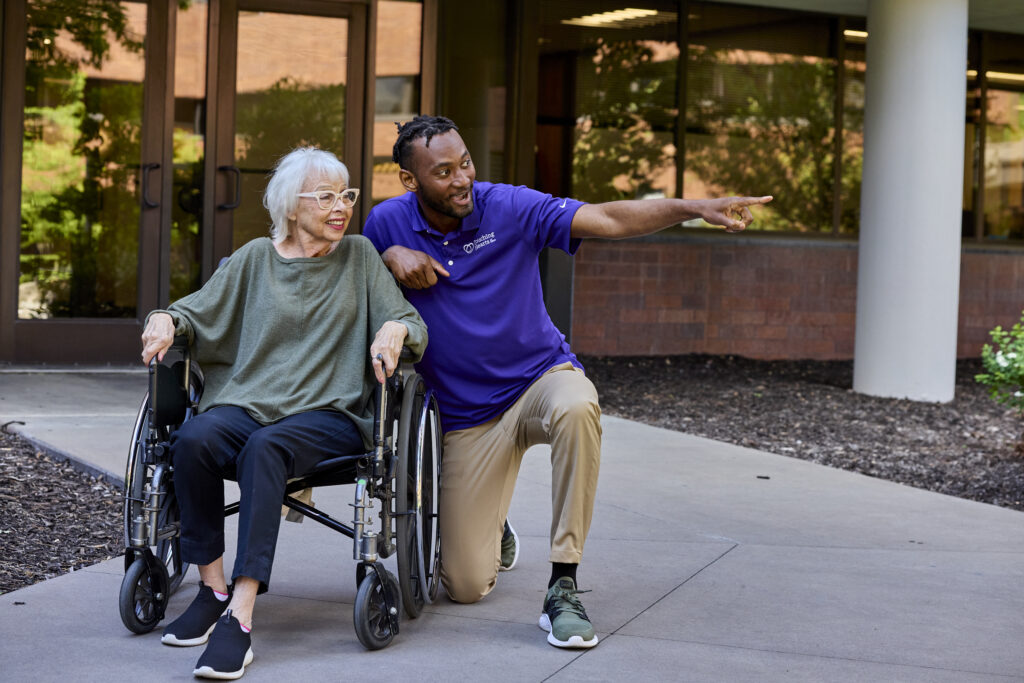
Mobility assistance and fall prevention
-
Medication reminders and routines
Meanwhile, the more independent spouse can continue daily life with minimal disruption.
Preserving Roles and Relationships
When a spouse becomes a full-time caregiver, the relationship often shifts from “partner” to “provider.” In-home care helps restore balance, allowing couples to:
-
Spend time together without constant caregiving stress
-
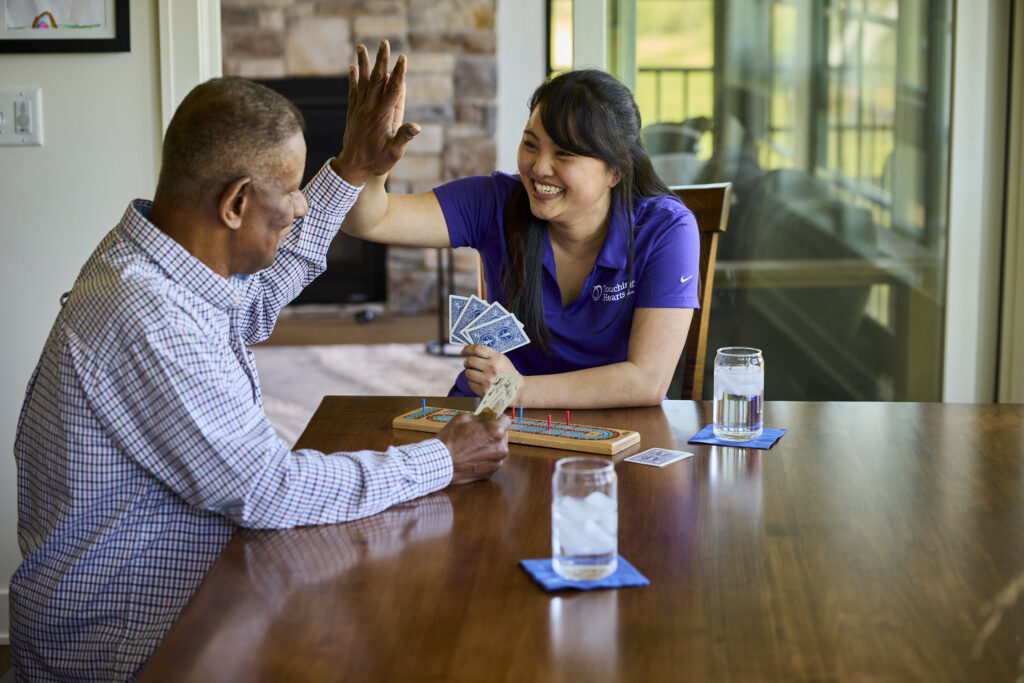
Enjoy shared routines and conversations
-
Maintain emotional intimacy and connection
Care supports the relationship—rather than replacing it.
Reducing Caregiver Burnout for the Healthier Spouse
Loving someone doesn’t make caregiving easy. Over time, even the most devoted spouse can experience fatigue, stress, and burnout.
In-home care provides:
-
Time to rest and recharge
-
Relief from physically demanding tasks
-
Emotional reassurance and peace of mind
This support helps the caregiving spouse stay healthier—both physically and emotionally—so they can continue being a partner, not just a caregiver.
Helping Couples Avoid Premature Separation
One of the most heartbreaking realities couples face is the idea of being separated because one partner needs more help. In-home care can often delay—or completely prevent—that outcome.
By bringing care into the home:
-
Both partners can remain together longer
-
Daily routines stay familiar
-
Decisions about higher levels of care can be made gradually, not in crisis
For many Broomfield couples, this makes all the difference.
Supporting Daily Life and Shared Routines
Aging in place isn’t just about safety—it’s about quality of life.
Maintaining Normalcy
Caregivers support everyday moments that matter:
-
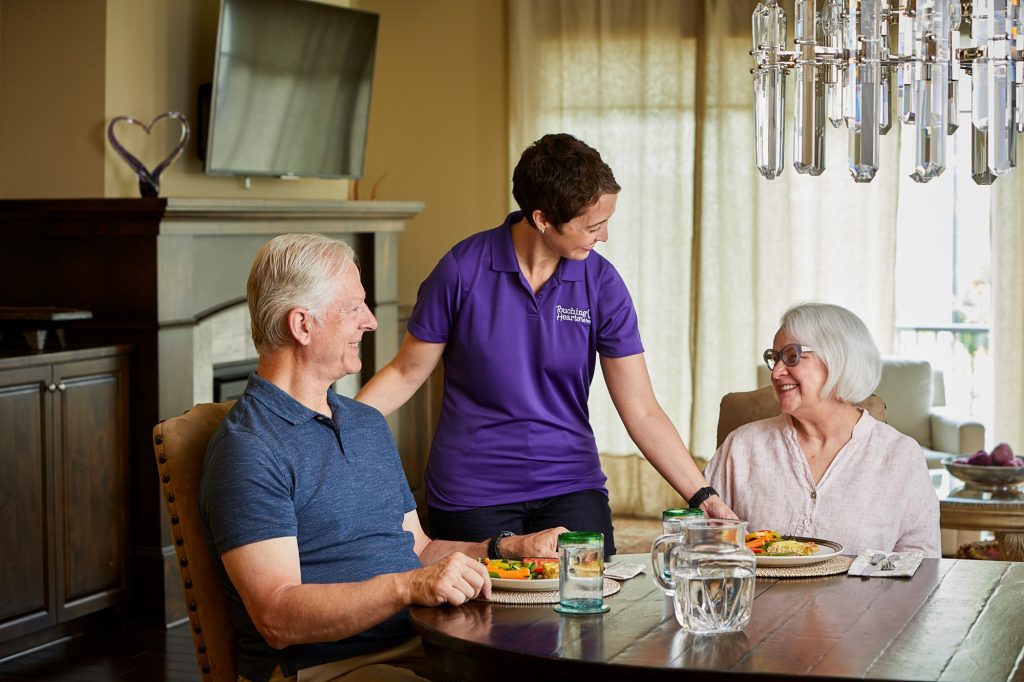
Shared meals
-
Morning and evening routines
-
Light housekeeping that keeps the home comfortable
These small details help life feel normal, even as needs change.
Adapting as Needs Evolve
Care can begin with just a few hours a week and grow over time. This gradual approach allows couples to adjust emotionally and practically—without sudden upheaval.
Emotional Benefits of Aging Together at Home
Beyond physical support, there are powerful emotional benefits to aging in place together.
For the partner receiving care:
-
Greater comfort and reduced anxiety
-
Familiar surroundings that support memory and confidence
-
Reassurance from having their spouse nearby
For the caregiving partner:
-
Less fear of “doing it all alone”
-
More opportunities for rest and self-care
-
Confidence knowing support is available
Together, these benefits create a calmer, more sustainable home environment.
Winter and Safety Considerations in Broomfield
Colorado winters can present extra challenges for aging couples. Snow, ice, and colder temperatures increase fall risks and make errands more difficult.
In-home care can help with:
-
Safe mobility around the home
-
Meal preparation and hydration
-
Reducing the need to go out during icy conditions
-
Monitoring safety during shorter winter days
This added layer of support is especially valuable during the colder months in Broomfield.
Planning Ahead as a Couple
The best time to talk about support is before a crisis occurs.
Have Open Conversations
Discuss preferences together:
-
What kind of help feels acceptable?
-
How do you want to remain involved in decisions?
-
What matters most about staying home?
Start Early and Adjust Gradually
Beginning with light support allows couples to build trust with caregivers and adapt slowly—making change feel less overwhelming.
Planning together reinforces partnership and shared decision-making.
Frequently Asked Questions
Can in-home care help both partners, even if only one needs assistance?
Yes. Care can focus on one partner’s needs while also providing light support or companionship for the other when helpful.
Does home care replace the spouse’s role?
No. In-home care supports the spouse by easing physical and emotional strain—it doesn’t replace the relationship.
How many hours of care do couples usually need?
This varies. Many couples start with a few hours a week and increase care gradually as needs change.
What if one partner resists having a caregiver in the home?
This is common. Starting small and emphasizing independence often helps ease concerns over time.
Is aging in place together realistic long-term?
For many couples, yes. With the right support, couples can remain together at home far longer than they expect.
If you’re feeling unsure about your parent’s needs, Touching Hearts offers a free, no-pressure in-home consultation in Broomfield. We’re here to support your family every step of the way.