How Home Care Helps Couples Age in Place Together in Longmont
Aging brings change—but for many couples, one thing remains constant: the desire to stay together at home. After decades of shared routines, memories, and companionship, the thought of living apart can feel overwhelming.
In Longmont and across the Westminster region, many families find themselves navigating this delicate stage. One spouse may begin to need extra help, while the other tries to take on more responsibility. Over time, this can create stress, fatigue, and difficult decisions about what comes next.
The good news is that aging in place together is often possible—with the right kind of support. In this guide, we’ll explore how home care helps couples remain safely and comfortably in their own home while preserving the relationship that matters most.
Why Aging Together Matters So Much
For couples, home isn’t just a place—it’s a shared life. From morning coffee routines to familiar neighborhoods in Longmont, these everyday moments provide comfort and emotional stability.
Emotional Well-Being and Connection
Being together supports emotional health in powerful ways. When couples remain in the same home:
- They maintain daily companionship
- They reduce feelings of loneliness or anxiety
- They continue familiar routines that provide comfort
Separation, even when necessary for care, can lead to confusion, depression, or a sense of loss—especially for seniors who rely on each other for emotional support.
Preserving Independence as a Team
Many couples prefer to face aging as partners, not separately. Aging in place allows them to:
- Make decisions together
- Support one another in small but meaningful ways
- Maintain dignity and a sense of control
Home care helps reinforce this independence without compromising safety.
The Challenges Couples Face as Needs Change
Even the strongest partnerships can feel strain when health needs shift. It’s common for one spouse to gradually take on a caregiving role—but that can become overwhelming.
When One Spouse Becomes the Caregiver
In many Longmont households, one partner begins helping with:
- Medication reminders
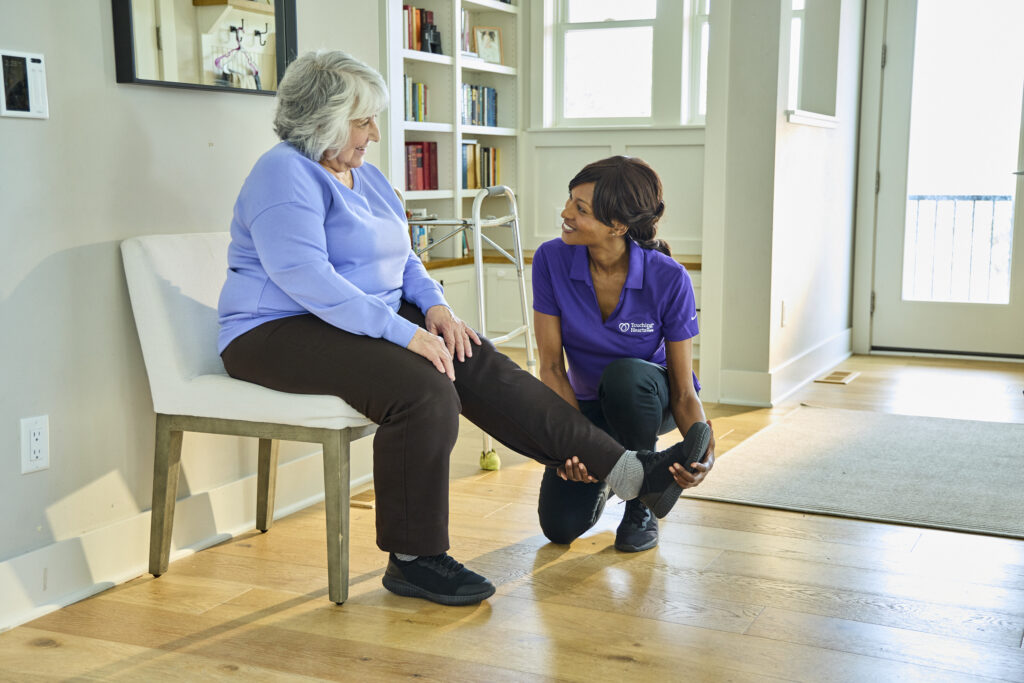
- Mobility support
- Household responsibilities
- Transportation to appointments at CommonSpirit Longmont United Hospital
While this often starts with love and willingness, it can lead to exhaustion over time.
The Risk of Caregiver Burnout
Spouses may not recognize how much they’re taking on. Over time, this can result in:
- Physical fatigue
- Emotional stress
- Increased risk of injury
- Strain within the relationship
In Colorado’s changing seasons—especially during icy winters or sudden weather shifts —these challenges can become even more difficult to manage safely.
How Home Care Supports Couples Living Together
Home care is uniquely designed to support both individuals in a couple—not just the one with more visible needs.
Personalized Care for Each Partner
Every couple is different. A thoughtful home care plan considers:
- One spouse’s medical or mobility needs
- The other spouse’s energy level and well-being
- Shared routines and preferences
This balanced approach ensures both individuals feel supported, not overlooked.
Assistance with Daily Activities
Caregivers can step in with everyday tasks such as:
- Light housekeeping and meal preparation
- Personal care like bathing or dressing
- Medication reminders
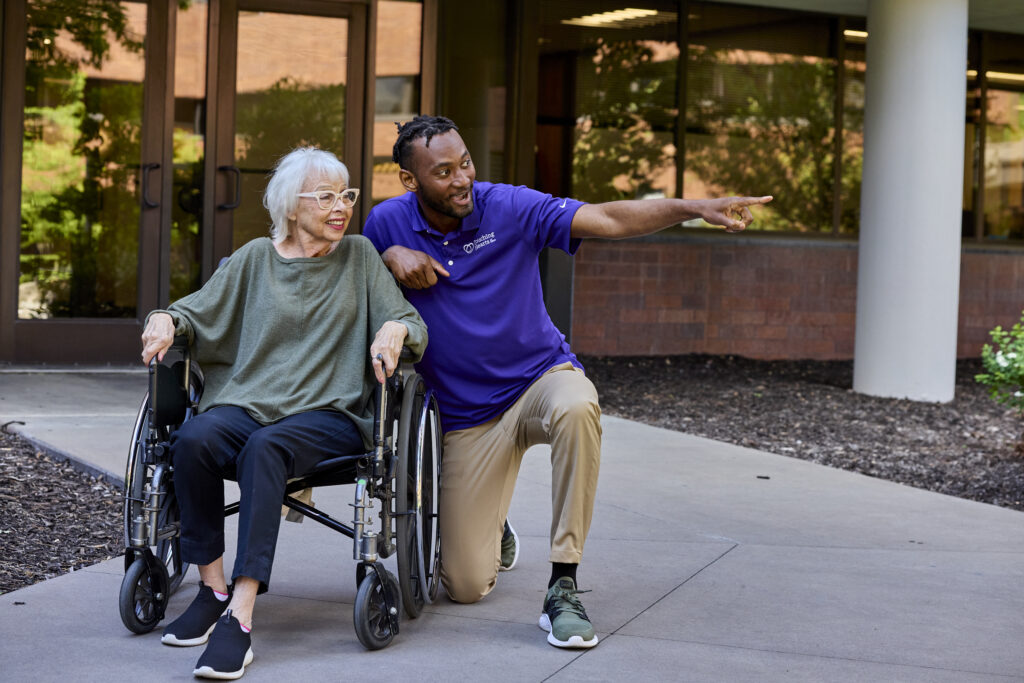
- Transportation around Longmont
This reduces stress on the caregiving spouse and helps maintain a safe, comfortable home environment.
Companionship for Both Individuals
Care isn’t just about physical help—it’s about connection. Caregivers provide:
- Friendly conversation
- Shared activities
- Emotional reassurance
This can be especially valuable when one spouse feels isolated or overwhelmed.
Supporting the Health of Both Partners
One of the most important benefits of home care is that it protects the well-being of both individuals—not just the one receiving care.
Preventing Caregiver Fatigue
When caregivers step in, the spouse can:
- Rest and recharge
- Maintain their own health appointments
- Spend quality time as a partner, not just a caregiver
This shift often restores balance in the relationship.
Monitoring Changes Early
Caregivers are trained to notice small changes, such as:
- Reduced mobility
- Changes in appetite
- Increased forgetfulness
Early awareness allows families to respond proactively and seek guidance from providers at CommonSpirit Longmont United Hospital when needed.
Flexibility as Needs Evolve
Aging is not static, and care should adapt over time.
Starting Small and Growing Gradually
Many couples begin with just a few hours of support each week. As needs change, care can expand to include:
- Daily visits
- Overnight care
- 24-hour support if necessary
This flexibility allows couples to stay in their home longer without making sudden transitions.
Avoiding Premature Moves to Assisted Living
Without support, families may feel forced to consider assisted living sooner than expected. Home care can:
- Extend the time couples remain at home
- Reduce the urgency of major lifestyle changes
- Provide a more comfortable, familiar alternative
For many Longmont families, this makes a meaningful difference in quality of life.
Maintaining a Safe Home Environment
Safety is a key part of aging in place—especially in Colorado homes where stairs, snow, and uneven surfaces can present risks.
Fall Prevention and Mobility Support
Caregivers help reduce fall risks by:
- Assisting with walking and transfers
- Keeping pathways clear
- Encouraging safe movement habits
Adapting to Colorado Living
In the Westminster region, seasonal conditions matter. Home care can help couples navigate:
- Snowy walkways and icy driveways
- Cold-weather safety indoors
- Transportation challenges during winter storms
These small adjustments make daily life safer and more manageable.
Strengthening the Relationship, Not Replacing It
One of the most meaningful outcomes of home care is how it helps couples reconnect.
Shifting Back to Being Partners
When caregiving tasks are shared, couples can return to:
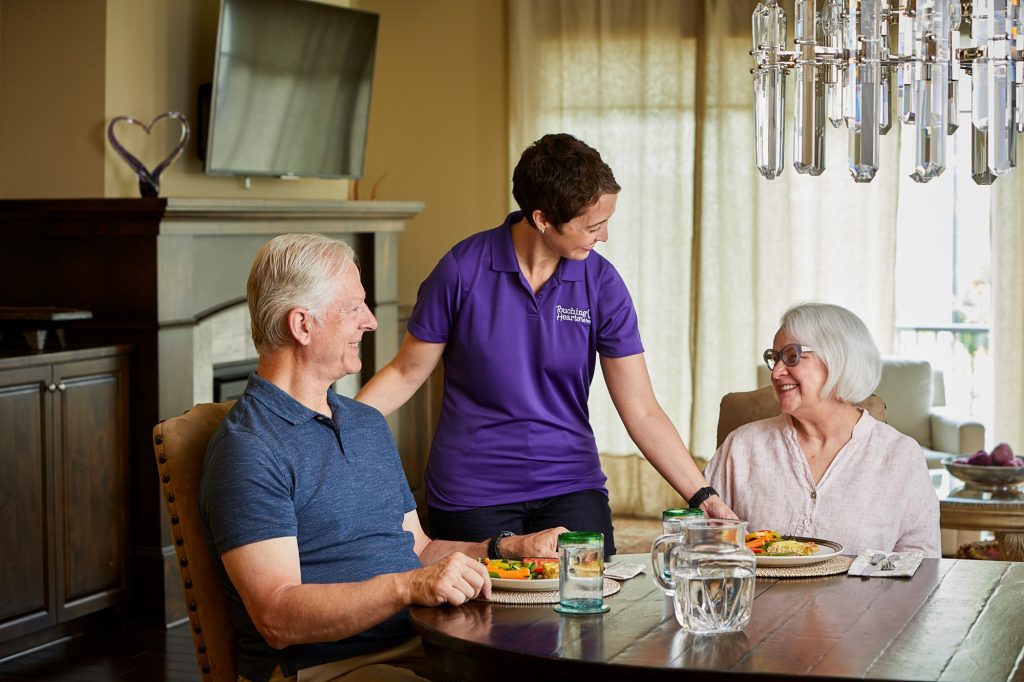
- Enjoying meals together
- Watching favorite shows
- Spending time talking and reminiscing
This restores emotional closeness and reduces stress.
Respecting Privacy and Dignity
Professional caregivers understand the importance of:
- Respecting routines
- Maintaining independence
- Supporting without taking over
This thoughtful approach allows couples to feel comfortable and in control.
When Is the Right Time to Consider Home Care?
Many families wait until a crisis occurs—but early support can make a significant difference.
Signs It May Be Time
You might consider home care if:
- One spouse seems overwhelmed or exhausted
- Daily tasks are becoming difficult
- There have been recent falls or close calls
- Medical needs are increasing
Starting sooner allows couples to adjust gradually and build trust with their caregiver.
Frequently Asked Questions
Home care often raises important questions for families exploring their options.
Can home care support both spouses at the same time?
Yes, care plans can be designed to support both individuals. Whether one or both spouses need assistance, services are tailored to meet each person’s needs while respecting their shared routine.
What if only one spouse needs help?
This is very common. Caregivers can focus on the individual who needs support while also easing the overall household workload, which benefits both partners.
Will having a caregiver feel intrusive?
Most families find that caregivers become a natural, comfortable part of the home. The goal is to support daily life while respecting privacy and independence.
How flexible is the schedule?
Home care is highly flexible. Services can range from a few hours a week to full-time care, depending on what works best for your family.
Can home care delay moving into assisted living?
In many cases, yes. With the right level of support, couples can remain safely at home longer, avoiding or delaying the need for a move.
If you’re feeling unsure about your parent’s needs, Touching Hearts offers a free, no-pressure in-home consultation in Longmont. We’re here to support your family every step of the way.